
Knee Replacement Surgery: Procedure, Recovery & When You Need It
Chronic knee pain does not always start strong. It often builds slowly. At first, it is just discomfort while walking or climbing stairs. Then it becomes harder to stand for long periods. Over time, even simple daily tasks can feel difficult.
For many people, especially those dealing with arthritis or past injuries, knee replacement surgery becomes a practical option when other treatments stop working.
In India, knee problems are becoming more common. Aging is one reason. Lifestyle habits, weight gain, and injuries also play a role. The good part is this. Modern orthopaedic care has improved a lot. Today, knee replacement procedures are safer, more accurate, and more reliable than before.
This guide walks you through the basics. You will understand when surgery is needed, how it is done, and what recovery usually looks like.
What is Knee Replacement Surgery?
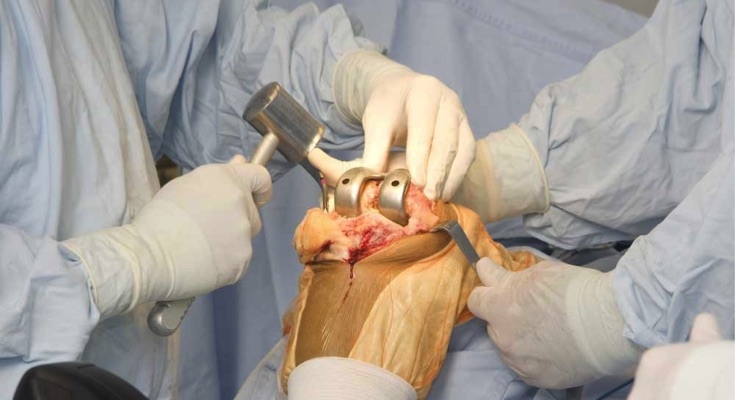
Knee replacement surgery, also called knee arthroplasty, involves replacing a damaged knee joint with an artificial one. The main goal is simple. Reduce pain and help you move better. The knee joint is made of bones, cartilage, ligaments, and muscles. When conditions like arthritis damage the cartilage, the bones begin to rub against each other. That is when pain and stiffness increase. During the procedure, the damaged parts of the joint are removed. They are then replaced with artificial components made from metal, ceramic, or strong plastic materials.
Types of Knee Replacement Surgery
1. Total Knee Replacement (TKR)
This is the most common type. The entire knee joint is replaced.
2. Partial Knee Replacement (PKR)
Only the damaged section of the knee is replaced. This works for people with limited joint damage.
3. Revision Knee Replacement
This is done when a previous knee replacement wears out or does not perform well over time.
Common Causes of Knee Damage
Several conditions can lead to serious knee problems.
Osteoarthritis
This is the most common cause. It usually affects older adults and leads to gradual joint wear.
Rheumatoid Arthritis
An autoimmune condition that causes joint inflammation and damage.
Post-Traumatic Arthritis
This can develop after injuries like fractures or ligament tears.
Severe Knee Injury
Sports injuries or accidents can create long-term joint issues.
Signs You May Need Knee Replacement Surgery
Not every knee issue requires surgery. Still, some signs should not be ignored.
Ongoing knee pain, even during rest
Difficulty walking or climbing stairs
Swelling and stiffness that does not improve
Reduced range of motion
Pain that does not respond to medication or physiotherapy
Visible changes in knee shape
If these problems start affecting daily life, it is time to speak with a specialist.
Non-Surgical Treatments to Try First
Doctors usually begin with non-surgical options.
Pain relief medications
Physiotherapy and guided exercises
Weight management and lifestyle changes
Knee supports or braces
Injections, such as corticosteroids
If these steps do not help enough, surgery may be recommended.
Knee Replacement Surgery Procedure (Step-by-Step)
Knowing what happens during the procedure can make things feel more manageable.
1. Pre-Surgery Preparation
This includes scans like X-rays or MRI, blood tests, and a full health check. You will also receive instructions about food and medications.
2. Anesthesia
You will be given general or spinal anesthesia. This keeps the procedure pain-free.
3. Removal of Damaged Tissue
The surgeon removes the worn-out cartilage and damaged bone.
4. Implant Placement
Artificial components are placed to restore movement in the knee.
5. Closure
The incision is closed and the area is bandaged.
The surgery usually takes about 1 to 2 hours. Sometimes a bit longer.
Benefits of Knee Replacement Surgery
Many patients notice clear improvements after recovery.
Reduced or eliminated pain
Better movement and flexibility
Improved daily function
More comfort during routine tasks
Long-term results with proper care
Recovery After Knee Replacement Surgery
Recovery matters a lot. It directly affects how well the surgery works.
Hospital Stay
Most patients stay for a few days.
Initial Recovery (First Few Weeks)
You will begin walking with support. Pain is managed with medication. Physiotherapy starts early. Yes, quite early.
Physiotherapy and Rehabilitation
Exercises help improve movement and build strength. They also prevent stiffness, which can slow recovery.
Returning to Normal Activities
Walking without support usually happens within a few weeks. Driving may be possible after a few weeks, depending on progress. Full recovery can take a few months. It varies.
Tips for Faster Recovery
A few practical steps can help.
Follow medical advice carefully
Stay consistent with physiotherapy
Eat a balanced diet
Avoid high-impact movements at first
Maintain a healthy weight
Stay active, but do not overdo it
Risks and Complications
Knee replacement is generally safe, but some risks exist.
Infection
Blood clots
Implant wear over time
Stiffness
Nerve or blood vessel issues
These are not common, especially when handled by an experienced team.
Who is an Ideal Candidate?
You may be a good candidate if:
Pain is severe and affects daily life
Other treatments have not worked
There is clear joint damage
Your overall health supports surgery
Both older and younger patients may benefit, depending on their condition.
Lifestyle After Knee Replacement
Most people return to normal routines after recovery. Some adjustments help protect the new joint.
Recommended Activities
Walking
Swimming
Cycling
Light exercise
Activities to Limit or Avoid
Running
Jumping
High-impact sports
Simple care goes a long way in keeping the joint in good condition.
Why Choose Advanced Care?
The outcome of knee replacement surgery depends on several factors. Not just one.
Surgeon experience
Surgical method used
Quality of the implant
Post-surgery care
Many hospitals now use minimally invasive techniques. These often lead to smaller cuts, less discomfort, and faster recovery.
Frequently Asked Questions (FAQs)
- Is knee replacement surgery painful?
The procedure itself is not painful due to anesthesia. After surgery, pain is controlled with medication. - How long does a knee replacement last?
With proper care, it can last many years. - When can I walk after surgery?
Most patients start walking with support within a day or two. - Can both knees be replaced at once?
Yes, in some cases. It depends on overall health and medical advice. - Will life return to normal after surgery?
In most cases, yes. Daily activities become easier and more comfortable.
Conclusion
Knee replacement surgery can make a real difference for people living with long-term knee pain. It improves movement, reduces discomfort, and helps restore independence.
If knee pain is affecting your routine and other treatments are no longer helping, it may be time to consult a qualified orthopaedic specialist. Early action can lead to better results.