
Oral Cancer Symptoms & Early Detection: A Complete Guide
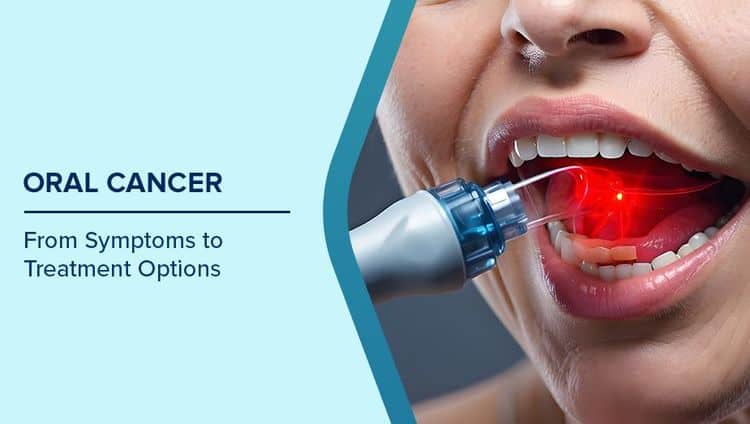
Oral health often gets less attention than it deserves. Many people focus on brushing and cleaning but ignore warning signs that may point to something more serious. Oral cancer is one such condition. It can start quietly, without strong pain or obvious discomfort. That is what makes early detection so important. This guide explains oral cancer symptoms, risk factors, and how early diagnosis can improve outcomes. It is written to help you understand what to look for and when to take action.
What Is Oral Cancer?
Oral cancer refers to cancer that develops in any part of the mouth. This includes the lips, tongue, cheeks, floor of the mouth, hard and soft palate, and throat area. It usually begins as abnormal cell growth. Over time, these cells multiply and form tumors. If untreated, the disease can spread to nearby tissues and other parts of the body. Early stages often go unnoticed. That is why awareness matters.
Why Early Detection Matters
Early detection of oral cancer can make a major difference in treatment success. When found early, the chances of recovery are much higher. Treatment can also be less invasive. Late-stage diagnosis, however, often requires more complex procedures. This may include surgery, radiation therapy, or chemotherapy. Recovery becomes longer and more difficult. Simple routine checks can save lives. Really.
Common Oral Cancer Symptoms
Recognizing oral cancer symptoms at an early stage can be challenging. Many signs appear mild at first. Some may even seem like common dental problems. Here are the key symptoms to watch for:
1. Persistent Mouth Sores
A sore that does not heal within two weeks should not be ignored. It may appear on the lips, gums, or inside the cheeks.
Sometimes it looks small. But it stays.
2. White or Red Patches
White patches (leukoplakia) or red patches (erythroplakia) inside the mouth can be early indicators. These patches may feel rough or slightly raised.
They do not always hurt. That is why people delay checking them.
3. Lump or Thickening in the Mouth
Any unusual lump or thickened area inside the mouth or neck should be examined.
Even if it seems harmless, it is better to confirm.
4. Difficulty Swallowing or Chewing
If swallowing or chewing becomes uncomfortable, it may signal a deeper issue. Some people also feel a sensation of something stuck in the throat.
This symptom often develops gradually.
5. Unexplained Bleeding
Bleeding in the mouth without a clear cause should be taken seriously. It may occur during brushing or eating.
This is not normal.
6. Numbness or Pain
Loss of sensation in the tongue, lips, or other areas is another warning sign. Pain may or may not be present.
Sometimes it feels mild. But it continues.
7. Changes in Voice or Speech
Hoarseness or difficulty speaking clearly can be linked to oral or throat cancer.
If it lasts more than two weeks, it needs attention.
8. Loose Teeth Without Dental Cause
Teeth becoming loose without gum disease or injury is unusual. It may indicate underlying tissue damage.
9. Ear Pain Without Infection
Persistent ear pain without any visible ear problem can be related to oral cancer.
It confuses many people.
Risk Factors for Oral Cancer
Understanding risk factors can help reduce the chances of developing oral cancer.
Tobacco Use
Smoking cigarettes or cigars or using chewing tobacco is one of the leading causes.
Even occasional use increases risk.
Alcohol Consumption
Heavy alcohol use is another major factor. When combined with tobacco, the risk becomes significantly higher.
Human Papillomavirus (HPV)
Certain types of HPV infection are linked to oral and throat cancers.
This is becoming more common.
Sun Exposure
Frequent exposure to sunlight increases the risk of lip cancer.
Poor Oral Hygiene
Neglecting oral care can contribute to long-term issues, including cancer.
Family History
A history of cancer in the family may increase susceptibility.
Age
Oral cancer is more common in people over 40, but it can occur at any age.
Early Detection Methods
Early detection does not require complex procedures at first. Simple checks and awareness go a long way.
Self-Examination
- You can check your mouth regularly at home. Look for sores, patches, or lumps. Use a mirror and good lighting.
- Check your tongue, gums, cheeks, and throat area.
- It takes a few minutes.
Regular Dental Visits
- Dentists often detect early signs during routine exams. Visiting a dentist every six months is recommended.
- They know what to look for.
Professional Screening
- Hospitals like Mediheal Hospital offer specialized screenings. These include physical examinations and diagnostic tests when needed.
- Early screening improves accuracy.
Biopsy
- If a suspicious area is found, a biopsy may be performed. A small tissue sample is taken and tested in a lab.
- This confirms the diagnosis.
Diagnosis of Oral Cancer
- Diagnosis involves several steps.
- First, a physical examination is done. The doctor checks for visible abnormalities. Then imaging tests such as X-rays, CT scans, or MRI scans may be recommended.
- Finally, a biopsy confirms whether cancer cells are present.
- It may sound complex. But each step is necessary.
Treatment Options
Treatment depends on the stage and location of the cancer.
Surgery
Surgery removes the tumor and affected tissues. It is often the first line of treatment.
Radiation Therapy
Radiation uses high-energy rays to destroy cancer cells. It may be used alone or after surgery.
Chemotherapy
Chemotherapy uses drugs to kill cancer cells. It is usually used in advanced cases.
Targeted Therapy
This treatment focuses on specific cancer cell mechanisms. It helps reduce damage to healthy cells.
Doctors at Mediheal Hospital create personalized treatment plans. Each patient is different.
Prevention Tips
Prevention is always better than treatment. Small lifestyle changes can reduce risk significantly.
- Avoid tobacco in all forms
- Limit alcohol consumption
- Maintain good oral hygiene
- Eat a balanced diet rich in fruits and vegetables
- Protect lips from sun exposure
- Get vaccinated for HPV if recommended
- Schedule regular dental check-ups
These steps are simple. But effective.
When to See a Doctor
You should consult a doctor if you notice:
- A sore that does not heal within two weeks
- Persistent pain or numbness
- Difficulty swallowing
- Unexplained bleeding
- Changes in voice or speech
Do not wait for symptoms to worsen. Early consultation can prevent complications.
Role of Mediheal Hospital
Mediheal Hospital provides advanced care for oral cancer detection and treatment. The hospital combines modern technology with experienced medical professionals. Patients receive thorough evaluation and clear guidance at every step. Screening programs help identify issues early. Treatment plans are tailored based on individual needs. The goal is simple. Early diagnosis. Effective treatment. Better outcomes.
For more information, visit: https://medihealhospital.com/
Final Thoughts
Oral cancer symptoms can be subtle at first. That makes awareness essential. Paying attention to small changes in your mouth can help detect problems early. Regular check-ups, healthy habits, and timely medical advice are key. Do not ignore signs. Even minor ones. Early action can save time, reduce treatment complexity, and improve survival rates.
Stay aware. Stay proactive.
If you notice any symptoms, book an appointment for early evaluation.