
Slip Disc (Herniated Disc): Symptoms, Causes & Best Treatment
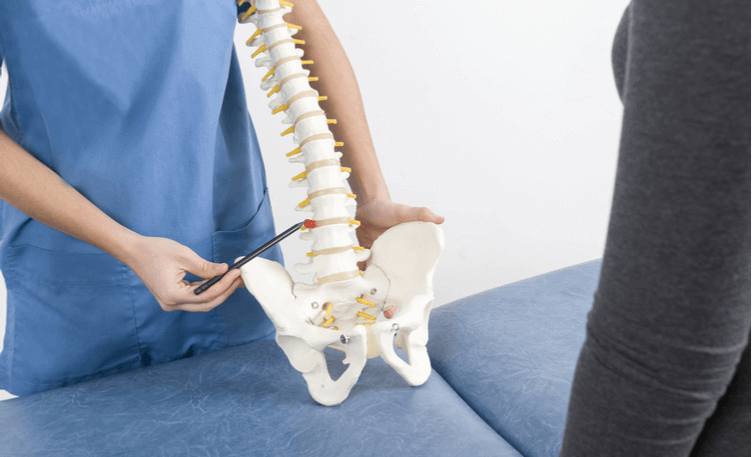
A slip disc, also known as a herniated disc, is a common spine condition that can affect daily life in a serious way. It often starts with mild discomfort but can slowly turn into persistent pain that limits movement. Many people ignore early signs, which can lead to worsening symptoms over time.
At Mediheal Hospital, the focus is on early diagnosis and personalized care. This helps patients return to normal activity as safely and quickly as possible. Understanding the condition is the first step. Proper treatment is the next.
What is a Slip Disc?
The human spine is made up of small bones called vertebrae. Between these bones are soft discs that act as cushions. These discs support movement and absorb pressure during daily activities like walking, sitting, or lifting. A slip disc happens when the inner soft part of the disc pushes out through the outer layer. This can press on nearby nerves. When that happens, pain and other symptoms begin. It does not always mean the disc has fully slipped. In many cases, it is a small bulge or tear. Still, even a small change can cause discomfort. Sometimes sharp. Sometimes dull.
Common Symptoms of a Slip Disc
- The symptoms of a slip disc vary depending on the location and severity. Some people feel only mild discomfort, while others experience intense pain that affects their routine.
- The most common symptom is back pain. This pain may start suddenly or develop slowly over time. It can become worse with movement or sitting for long periods.
- Pain that spreads to other parts of the body is also common. For example, a herniated disc in the lower back may cause pain in the legs. This is often called sciatica. In the neck, it can affect the shoulders and arms.
- Other symptoms include numbness or tingling. This happens when nerves are compressed. Weakness in muscles may also occur, making it harder to lift objects or walk properly.
- In severe cases, patients may have difficulty controlling bladder or bowel movements. This requires immediate medical attention. It is not common, but it is serious.
Causes of Slip Disc
- A slip disc does not always happen due to one reason. In most cases, it develops gradually.
- Aging is one of the main causes. As people grow older, spinal discs lose water content. They become less flexible and more likely to tear or rupture.
- Improper lifting techniques also play a role. Lifting heavy objects without proper support can strain the spine. Over time, this increases the risk of disc injury.
- Sedentary lifestyle is another factor. Sitting for long hours, especially with poor posture, puts pressure on the spine. This can weaken the discs.
- Injury or sudden trauma can also lead to a herniated disc. For example, a fall or accident may cause immediate damage.
- Excess body weight adds extra pressure on the spine. This increases the risk, especially in the lower back area.
- Genetics can also be a factor. Some individuals may have a natural tendency toward spine issues.
Risk Factors You Should Not Ignore
- Certain habits and conditions can increase the chances of developing a slip disc.
- Smoking is one. It reduces oxygen supply to spinal tissues, making them weaker over time.
- Lack of exercise can lead to weak muscles that fail to support the spine properly.
- Jobs that require repetitive movements, heavy lifting, or long hours of sitting can increase risk. Even small daily habits matter.
- Poor posture. It sounds simple, but it is important. Sitting or standing incorrectly for long periods can slowly damage the spine.
Diagnosis at Mediheal Hospital
- Accurate diagnosis is essential for effective slip disc treatment. At Mediheal Hospital, the process begins with a detailed medical history and physical examination.
- Doctors assess pain location, movement limitations, and nerve function. They may check reflexes and muscle strength.
- Imaging tests are often required. MRI is the most common and effective method. It provides a clear image of soft tissues, including discs and nerves.
- In some cases, CT scans or X-rays may be used to rule out other conditions. These tests help confirm the diagnosis and guide treatment planning.
Slip Disc Treatment Options
Slip disc treatment depends on the severity of the condition. At Mediheal Hospital, treatment plans are designed based on individual needs. Not every patient requires surgery. In fact, many recover with non-surgical methods.
1. Rest and Activity Modification
Short periods of rest can help reduce inflammation. However, complete bed rest is not recommended for long durations. Patients are encouraged to stay active with light movements.
Simple changes in daily routine can make a big difference. For example, avoiding heavy lifting and maintaining correct posture.
2. Medications
Doctors may prescribe pain relievers and anti-inflammatory drugs. These help reduce swelling and discomfort.
Muscle relaxants may also be used if muscle spasms are present. In some cases, nerve pain medications are recommended.
Medication helps manage symptoms. It does not fix the disc directly, but it supports recovery.
3. Physiotherapy
Physiotherapy is a key part of slip disc treatment. It helps strengthen muscles and improve flexibility.
Therapists guide patients through exercises that support the spine. These exercises reduce pressure on the affected disc.
Regular sessions can improve posture and prevent future problems. It takes time. But it works.
4. Lifestyle Changes
Simple adjustments in daily habits can support long-term recovery.
Maintaining a healthy weight reduces strain on the spine. Regular exercise improves overall strength.
Proper ergonomics at work is important. Using supportive chairs and adjusting screen height can reduce stress on the back.
Sleeping posture also matters. A supportive mattress and correct sleeping position can help reduce pain.
5. Injections
In some cases, doctors may recommend steroid injections. These injections reduce inflammation around the affected nerve.
They provide temporary relief, which allows patients to continue physiotherapy and other treatments.
It is not a permanent solution, but it can be helpful for severe pain.
6. Surgical Treatment
Surgery is considered when non-surgical treatments do not provide relief. It is also needed in cases with severe nerve compression.
The most common procedure is discectomy. In this procedure, the damaged portion of the disc is removed to relieve pressure on nerves.
Minimally invasive techniques are often used at Mediheal Hospital. These methods reduce recovery time and minimize complications.
Surgery is usually effective, but it is recommended only when necessary.
Recovery and Aftercare
- Recovery from a slip disc depends on the treatment method and the patient’s condition.
- For non-surgical treatment, improvement can be seen within a few weeks. Regular follow-up is important to monitor progress.
- After surgery, patients may need a few weeks to return to normal activities. Physiotherapy is often required for full recovery.
- Consistency matters. Following medical advice and maintaining a healthy lifestyle helps prevent recurrence.
Prevention Tips
- Preventing a slip disc is possible with simple habits.
- Maintain good posture while sitting and standing. Keep the back straight and shoulders relaxed.
- Exercise regularly to strengthen back and core muscles. Even light activity can help.
- Avoid lifting heavy objects incorrectly. Always bend the knees and keep the back straight.
- Take breaks if you sit for long periods. Move around every hour.
- Stay hydrated and maintain a balanced diet. It supports overall spine health.
Why Choose Mediheal Hospital for Slip Disc Treatment?
- Mediheal Hospital offers a patient-focused approach with modern facilities and experienced specialists.
- The team uses advanced diagnostic tools to ensure accurate results. Treatment plans are tailored to each patient.
- From physiotherapy to minimally invasive surgery, all services are available under one roof. This makes the process smooth and efficient.
- Patient care is consistent. Follow-ups are structured. The goal is long-term recovery, not just short-term relief.
Frequently Asked Questions (FAQ)
1. What is the best slip disc treatment?
The best slip disc treatment depends on the severity. Many patients improve with physiotherapy, medication, and lifestyle changes. Surgery is only needed in severe cases.
2. Can a slip disc heal on its own?
Yes, in many cases. With proper rest, exercise, and care, the body can recover naturally over time.
3. How long does recovery take?
Recovery time varies. Mild cases may improve within a few weeks. Severe cases may take months, especially if surgery is involved.
4. Is walking good for a slip disc?
Yes. Walking is a low-impact activity that helps maintain mobility and improves circulation. It should be done carefully and within limits.
5. Can I avoid surgery for a herniated disc?
In most cases, yes. Non-surgical treatments are effective for many patients. Surgery is only recommended when symptoms are severe or persistent.
6. What should I avoid with a slip disc?
Avoid heavy lifting, sudden movements, and prolonged sitting. Poor posture should also be avoided.
7. Are there risks in slip disc surgery?
Like any surgery, there are risks. However, with modern techniques and experienced doctors, complications are minimized.
8. When should I see a doctor?
If you experience persistent back pain, numbness, or weakness, it is important to consult a doctor early.
Slip disc treatment is not just about managing pain. It is about restoring normal life. With the right care and guidance from Mediheal Hospital, recovery becomes structured and achievable. Early action matters. Consistency matters more.
Ready to start your slip disc treatment? Get the right care at the right time. Visit Mediheal Hospital and consult our experienced specialists for a personalized treatment plan. Book your appointment today and take the first step toward pain relief and better mobility.