
Best Treatment for Joint Pain: When to Choose Surgery vs Therapy
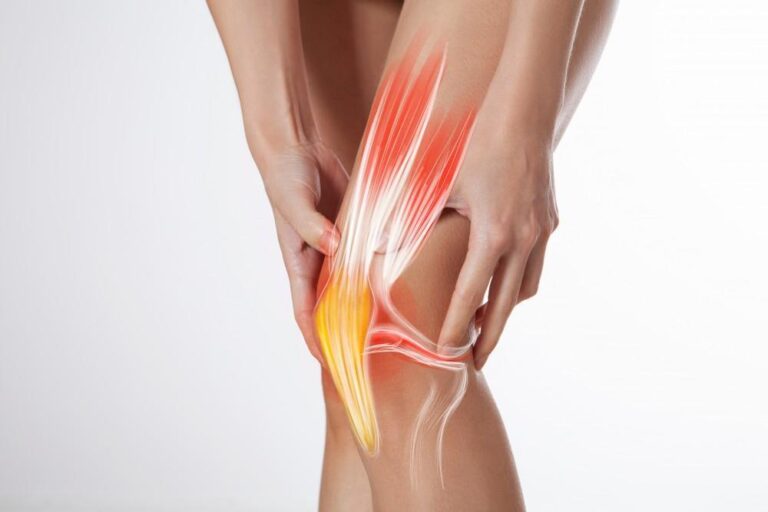
Joint pain is one of the most common health problems affecting people of all ages. Whether it is caused by aging, injury, arthritis, obesity, or overuse, persistent joint pain can affect mobility, daily activities, sleep quality, and overall health. Many people ignore joint pain in the early stages, but untreated joint conditions may gradually worsen and lead to long-term complications.
Modern medical advancements now offer several effective joint pain treatment options ranging from medications and physiotherapy to minimally invasive surgeries and joint replacement procedures. However, many patients often feel confused about one important question — when should you choose therapy, and when is surgery necessary?
At Mediheal Hospital, experienced orthopedic specialists provide advanced diagnosis, rehabilitation, and surgical care for various joint disorders using patient-focused treatment plans.
What is Joint Pain?
Joint pain refers to discomfort, stiffness, swelling, or inflammation in the joints where two bones meet. Joint pain can affect any part of the body, including the knees, hips, shoulders, elbows, ankles, wrists, and fingers.
Some joint pain may be temporary due to injury or overuse, while chronic pain may indicate underlying conditions such as arthritis or cartilage damage.
Common symptoms associated with joint pain include:
Swelling around joints
Stiffness
Difficulty walking
Reduced movement
Redness or warmth
Weakness
Grinding sensation
Persistent discomfort
The severity of symptoms varies depending on the cause and stage of the condition.
Common Causes of Joint Pain
Understanding the root cause helps doctors recommend the most suitable joint pain treatment.
Osteoarthritis
Osteoarthritis occurs when cartilage inside joints gradually wears down due to aging or overuse.
Rheumatoid Arthritis
This autoimmune disease causes inflammation and damage to multiple joints.
Sports Injuries
Ligament tears, fractures, and muscle injuries can cause severe joint pain.
Obesity
Excess body weight increases pressure on joints, especially knees and hips.
Gout
Gout occurs due to uric acid crystal buildup in joints.
Bursitis
Inflammation of fluid-filled sacs around joints can cause pain and swelling.
Tendon Injuries
Tendon inflammation or tears may restrict movement and cause discomfort.
Aging
As people age, joints naturally lose flexibility and cushioning.
How Joint Pain Affects Daily Life
Chronic joint pain can impact both physical and emotional health. Many patients experience:
Difficulty walking
Reduced work productivity
Sleep disturbances
Stress and anxiety
Limited physical activity
Reduced independence
Ignoring symptoms may worsen joint damage over time.
When Should You Seek Medical Help for Joint Pain?
Many people delay treatment until the pain becomes severe. However, early diagnosis improves treatment success and may help avoid surgery.
You should consult an orthopedic specialist if you experience:
Joint pain lasting more than a few weeks
Swelling or stiffness
Difficulty climbing stairs
Limited joint movement
Pain during walking or exercise
Joint instability
Clicking or locking sensation
Persistent inflammation
At Mediheal Hospital Orthopedic Care, orthopedic specialists evaluate joint conditions using advanced diagnostic tools and customized care plans.
Diagnosis of Joint Pain
Proper diagnosis is essential before choosing therapy or surgery.
Physical Examination
Doctors assess joint movement, swelling, flexibility, and strength.
X-rays
X-rays help detect arthritis, fractures, and joint deformities.
MRI Scan
MRI provides detailed images of cartilage, ligaments, and soft tissues.
Blood Tests
Blood tests help diagnose inflammatory conditions such as rheumatoid arthritis.
Joint Fluid Analysis
Fluid analysis may help identify infections or gout.
Advanced diagnosis allows doctors to recommend the most effective joint pain treatment option.
Non-Surgical Joint Pain Treatment Options
Many joint problems can be managed successfully without surgery, especially during the early stages.
~ Physiotherapy
Physiotherapy is one of the most effective treatments for joint pain. It helps strengthen muscles, improve flexibility, and reduce stiffness.
Benefits of Physiotherapy
Improves mobility
Reduces pain
Strengthens muscles
Improves balance
Prevents further damage
Regular physiotherapy sessions can significantly improve quality of life.
~ Medications
Doctors may prescribe medications to reduce inflammation and pain.
Common medications include:
Pain relievers
Anti-inflammatory drugs
Muscle relaxants
Arthritis medications
Patients should avoid self-medication because long-term use may cause side effects.
~ Lifestyle Modifications
Healthy lifestyle changes play a major role in joint health.
Weight Management
Reducing body weight decreases pressure on joints.
Exercise
Low-impact exercises such as swimming and walking improve joint flexibility.
Healthy Diet
Foods rich in calcium, vitamin D, and omega-3 fatty acids support joint health.
~ Assistive Devices
Braces, orthotics, walking sticks, and knee supports may reduce strain on joints.
~ Injections for Joint Pain
Some patients benefit from injections such as:
Corticosteroid injections
Hyaluronic acid injections
Platelet-rich plasma (PRP) therapy
These treatments may temporarily reduce pain and inflammation.
When is Surgery Needed for Joint Pain?
Surgery is usually considered when non-surgical treatments fail to provide relief.
Doctors may recommend surgery if:
Pain becomes severe
Joint damage progresses
Mobility is significantly reduced
Daily activities become difficult
Conservative treatments no longer help
Modern orthopedic surgery now focuses on minimally invasive procedures that improve recovery and reduce complications.
Types of Joint Surgery
Arthroscopy
Arthroscopy is a minimally invasive procedure where doctors use small cameras and instruments to repair joint damage.
Joint Replacement Surgery
Damaged joints may be replaced with artificial implants.
Common joint replacements include:
Knee replacement
Hip replacement
Shoulder replacement
Ligament Reconstruction
Torn ligaments may require surgical repair.
Cartilage Repair Procedures
Some procedures help restore damaged cartilage tissue.
Benefits of Joint Surgery
Advanced orthopedic surgeries offer several advantages:
Long-term pain relief
Improved mobility
Better quality of life
Faster recovery with modern techniques
Improved joint function
At Mediheal Hospital, orthopedic specialists use advanced surgical methods designed for patient safety and recovery.
Surgery vs Therapy: Which is Better?
The choice between therapy and surgery depends on several factors.
When Therapy is the Better Choice
Therapy is often recommended if:
Joint damage is mild
Pain is manageable
Mobility is partially affected
The patient responds well to physiotherapy
Surgery risks are high
When Surgery May Be Necessary
Surgery may be the better option if:
Severe arthritis is present
Joint deformity develops
Pain affects daily life
Mobility becomes severely restricted
Non-surgical treatments fail
Orthopedic specialists carefully evaluate each patient before recommending surgery.
Advantages of Choosing Therapy First
Many doctors initially prefer conservative treatment because it:
Avoids surgical risks
Reduces recovery time
Is cost-effective
Helps improve muscle strength naturally
However, delaying surgery too long in severe cases may worsen joint damage.
Importance of Personalized Treatment
Every patient is different. The best joint pain treatment depends on:
Age
Severity of condition
Activity level
Medical history
Lifestyle
Bone and joint health
Personalized treatment plans improve outcomes and patient satisfaction.
Recovery After Joint Surgery
Modern orthopedic surgery techniques have significantly improved recovery times.
Immediate Recovery
Patients may begin walking with support within a short period after surgery.
Physiotherapy After Surgery
Rehabilitation exercises are essential for restoring movement and strength.
Pain Management
Doctors provide medications to manage postoperative discomfort.
Returning to Normal Activities
Recovery timelines vary depending on the procedure and patient health.
Following rehabilitation instructions carefully is important for successful recovery.
Tips for Faster Recovery
Stay Physically Active
Regular movement improves circulation and healing.
Follow Rehabilitation Plans
Physiotherapy helps restore mobility safely.
Maintain Proper Nutrition
Protein and vitamins support tissue healing.
Avoid Excess Strain
Heavy lifting should be avoided during recovery.
How to Prevent Joint Pain Naturally
Preventive care can help maintain healthy joints for years.
Exercise Regularly
Strengthening muscles protects joints.
Maintain Healthy Weight
Healthy weight reduces joint stress.
Eat Joint-Friendly Foods
Include fruits, vegetables, nuts, fish, and dairy products in your diet.
Avoid Smoking
Smoking can worsen inflammation and slow healing.
Practice Good Posture
Correct posture reduces unnecessary joint strain.
Stay Hydrated
Hydration supports joint lubrication.
Advanced Joint Pain Treatment at Mediheal Hospital
Mediheal Hospital offers comprehensive orthopedic and joint care services using modern technology and patient-focused treatment methods.
Why Choose Mediheal Hospital?
Advanced imaging and diagnostics
Minimally invasive surgical expertise
Comprehensive physiotherapy support
Personalized rehabilitation programs
Modern operation theaters
Patient-centered care
The hospital focuses on improving mobility, reducing pain, and helping patients return to active lifestyles.
Common Myths About Joint Pain
Myth 1: Joint Pain Only Affects Elderly People
Joint pain can affect younger adults due to injuries, obesity, or autoimmune diseases.
Myth 2: Exercise Worsens Joint Pain
Proper exercise actually strengthens joints and improves flexibility.
Myth 3: Surgery is Always the Last Option
In some severe cases, early surgery may prevent further joint damage.
Myth 4: Joint Pain is Normal With Aging
Persistent pain should never be ignored because treatment can improve quality of life.
Emotional Health and Chronic Joint Pain
Chronic pain often affects emotional well-being.
Many patients experience:
Frustration
Depression
Anxiety
Reduced confidence
Effective treatment not only improves physical mobility but also restores emotional wellness and independence.
Frequently Asked Questions (FAQs)
1. What is the best joint pain treatment?
The best treatment depends on the cause and severity of joint damage. Options include physiotherapy, medications, injections, and surgery.
2. When should I consider surgery for joint pain?
Surgery may be necessary when pain becomes severe and non-surgical treatments no longer provide relief.
3. Can physiotherapy cure joint pain?
Physiotherapy can significantly reduce pain, improve mobility, and strengthen muscles in many patients.
4. Is joint replacement surgery safe?
Modern joint replacement surgery is generally safe and highly successful when performed by experienced orthopedic surgeons.
5. How long does recovery take after joint surgery?
Recovery varies depending on the procedure and patient health, but rehabilitation is essential for successful healing.
6. Which joints are most commonly affected?
Knees, hips, shoulders, and wrists are commonly affected by joint pain.
7. Can obesity cause joint pain?
Yes, excess weight increases pressure on joints and may worsen arthritis symptoms.
8. Are minimally invasive joint surgeries available?
Yes, many orthopedic procedures are now performed using minimally invasive techniques for faster recovery.
9. Can young adults experience joint pain?
Yes, injuries, sports activities, autoimmune diseases, and lifestyle factors can cause joint pain in younger adults.
10. Why choose Mediheal Hospital for joint pain treatment?
Mediheal Hospital provides advanced orthopedic care, modern surgical technology, experienced specialists, and personalized rehabilitation programs.
Conclusion
Joint pain can significantly affect movement, independence, and overall quality of life. Fortunately, modern medicine now offers multiple joint pain treatment options ranging from physiotherapy and medications to advanced minimally invasive surgeries and joint replacement procedures.
Choosing between therapy and surgery depends on the severity of the condition, patient health, and response to conservative treatments. Early diagnosis and expert orthopedic care play an important role in achieving successful long-term outcomes.
With experienced orthopedic specialists, advanced diagnostic facilities, and patient-centered treatment approaches, Mediheal Hospital provides comprehensive solutions for managing joint pain and restoring active living.