
Jaw Surgery (Orthognathic Surgery): Procedure, Benefits & Recovery
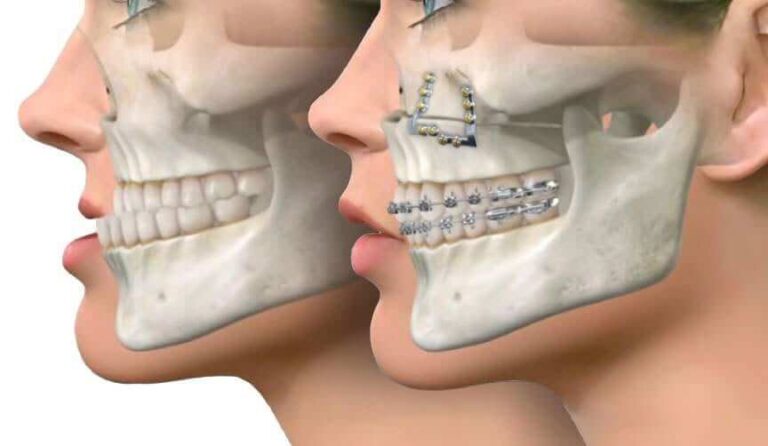
Jaw alignment plays a crucial role in everyday activities such as chewing, speaking, breathing, and maintaining facial balance. When the upper and lower jaws are not properly aligned, it can lead to functional problems, discomfort, and aesthetic concerns. In many cases, braces alone may not be enough to correct severe jaw irregularities. This is where jaw surgery, also known as orthognathic surgery, becomes an effective solution.
Orthognathic surgery is a specialized procedure performed to correct abnormalities in the jaw and facial bones. It not only improves appearance but also enhances oral function, breathing, speech, and overall quality of life.
At Mediheal Hospital, patients receive advanced oral and maxillofacial surgical care through experienced specialists, modern technology, and personalized treatment plans designed for long-term results.
What is Jaw Surgery (Orthognathic Surgery)?
Jaw surgery, medically known as orthognathic surgery, is a corrective surgical procedure that repositions the upper jaw, lower jaw, or both to achieve proper alignment. The surgery helps improve bite function, facial symmetry, speech, breathing, and chewing efficiency.
Jaw surgery India has become increasingly popular due to advancements in surgical techniques, improved imaging technology, and highly experienced oral and maxillofacial surgeons.
The procedure is often recommended when jaw abnormalities cannot be corrected through orthodontic treatment alone.
Why is Jaw Alignment Important?
The jaws play a critical role in various functions of the body. Misalignment can affect:
Chewing and digestion
Speech clarity
Breathing patterns
Facial appearance
Jaw joint function
Dental health
Self-confidence
Proper jaw alignment contributes to overall oral health and facial harmony.
Common Conditions That Require Jaw Surgery
Several conditions may require orthognathic surgery.
Severe Overbite
An overbite occurs when the upper teeth excessively overlap the lower teeth.
Underbite
An underbite develops when the lower jaw extends beyond the upper jaw.
Open Bite
An open bite prevents the upper and lower teeth from meeting properly when the mouth is closed.
Facial Asymmetry
Uneven jaw growth can result in facial imbalance and asymmetry.
Sleep Apnea
Certain jaw abnormalities can contribute to airway obstruction and obstructive sleep apnea.
Temporomandibular Joint (TMJ) Disorders
Jaw misalignment may place excessive stress on the jaw joints.
Difficulty Chewing or Speaking
Poor jaw positioning can interfere with normal oral functions.
Signs You May Need Jaw Surgery
Many people live with jaw abnormalities without realizing that treatment is available.
Common signs include:
Difficulty chewing food
Frequent jaw pain
Facial imbalance
Chronic headaches
Speech difficulties
Breathing problems
Teeth that do not meet properly
Excessive wear on teeth
Sleep-related breathing issues
Jaw clicking or locking
If these symptoms affect daily life, consultation with an oral and maxillofacial surgeon may be beneficial.
How Jaw Surgery is Planned
Successful jaw surgery requires careful planning and coordination between orthodontists and surgeons.
Comprehensive Clinical Examination
Doctors evaluate jaw movement, bite position, facial proportions, and oral health.
Digital Imaging
Advanced imaging helps create detailed views of the jaw and facial bones.
X-rays
X-rays help assess jaw structure and dental alignment.
CT Scans
CT imaging provides three-dimensional views for surgical planning.
Digital Facial Analysis
Modern software helps surgeons predict surgical outcomes and facial changes.
Orthodontic Preparation
Many patients wear braces before surgery to align teeth and prepare for jaw repositioning.
This preparation period may last several months depending on individual needs.
Types of Orthognathic Surgery
The type of surgery depends on the patient’s jaw condition.
Upper Jaw Surgery (Maxillary Osteotomy)
This procedure repositions the upper jaw to improve bite alignment and facial balance.
It is commonly performed for:
Open bites
Midface deficiencies
Facial asymmetry
Lower Jaw Surgery (Mandibular Osteotomy)
This surgery corrects problems involving the lower jaw.
It may be performed to treat:
Underbites
Overbites
Jaw protrusion
Jaw retrusion
Double Jaw Surgery
Some patients require correction of both upper and lower jaws simultaneously.
Double jaw surgery often provides significant functional and aesthetic improvements.
Chin Surgery (Genioplasty)
In certain cases, chin repositioning may be combined with jaw surgery to enhance facial balance.
Step-by-Step Jaw Surgery Procedure
Understanding the procedure helps patients feel more comfortable and prepared.
Preoperative Evaluation
The surgeon reviews scans, medical history, and treatment goals.
Anesthesia
Jaw surgery is performed under general anesthesia to ensure patient comfort.
Bone Repositioning
The surgeon carefully makes precise cuts within the jawbone and moves the jaw into the correct position.
Fixation
Special titanium plates and screws are used to stabilize the repositioned jaw.
Closure
Incisions are usually made inside the mouth, which means there are typically no visible external scars.
Recovery Monitoring
Patients are monitored closely after surgery before discharge.
Benefits of Jaw Surgery
Orthognathic surgery offers both functional and cosmetic benefits.
Improved Bite Function
Patients can chew food more efficiently after surgery.
Better Speech
Correct jaw alignment can improve speech clarity and pronunciation.
Enhanced Facial Symmetry
Many patients notice significant improvements in facial balance.
Easier Breathing
Jaw surgery may improve airway function and reduce breathing difficulties.
Reduced Jaw Pain
Correcting alignment often decreases stress on jaw joints and muscles.
Improved Oral Health
Proper bite alignment helps reduce abnormal tooth wear and dental complications.
Increased Self-Confidence
Many patients experience improved self-esteem following treatment.
Jaw Surgery and Sleep Apnea
One important benefit of jaw surgery India is its ability to help certain patients with obstructive sleep apnea.
When the jaw structure contributes to airway narrowing, repositioning the jaw can increase airway space and improve breathing during sleep.
Patients may experience:
Better sleep quality
Reduced snoring
Improved oxygen flow
Less daytime fatigue
Who is a Good Candidate for Jaw Surgery?
Jaw surgery may be recommended for patients who:
Have completed jaw growth
Have significant jaw misalignment
Experience functional difficulties
Have facial asymmetry
Do not respond adequately to orthodontic treatment alone
Each patient undergoes individualized evaluation before surgery is recommended.
Recovery After Jaw Surgery
Recovery is an important part of successful treatment.
Immediate Recovery
Patients usually remain under observation for a short period following surgery.
Swelling
Facial swelling is normal and gradually decreases over several weeks.
Mild Discomfort
Some discomfort is expected but can be managed with prescribed medications.
Dietary Adjustments
Patients typically follow a soft or liquid diet during early recovery.
Oral Hygiene
Maintaining oral cleanliness helps prevent infection and promotes healing.
Follow-Up Visits
Regular appointments allow surgeons to monitor progress and recovery.
Recovery Timeline
First Week
Swelling and mild discomfort are most noticeable during the initial days.
Two to Four Weeks
Most patients begin returning to light daily activities.
Six to Eight Weeks
Significant healing occurs, and patients generally feel more comfortable.
Three to Six Months
Jaw bones continue strengthening and adapting to their new position.
Long-Term Recovery
Final results become more apparent as swelling completely resolves.
Tips for Faster Recovery
Follow Dietary Instructions
Soft foods help protect the healing jaw.
Stay Hydrated
Adequate hydration supports tissue repair.
Avoid Smoking
Smoking can delay healing and increase complications.
Get Adequate Rest
Sleep and rest are important for recovery.
Follow Medication Guidelines
Take prescribed medications exactly as directed.
Attend Follow-Up Appointments
Regular monitoring helps ensure successful healing.
Risks and Complications of Jaw Surgery
Like any surgical procedure, jaw surgery carries some risks.
Potential complications include:
Infection
Bleeding
Temporary numbness
Swelling
Delayed healing
Bite adjustments
Rare nerve injury
Choosing experienced oral and maxillofacial surgeons significantly reduces these risks.
Advances in Jaw Surgery India
India has become a preferred destination for advanced orthognathic surgery due to:
Modern surgical facilities
Experienced specialists
Advanced imaging technology
Multidisciplinary treatment planning
International standards of care
Recent advancements include:
3D surgical planning
Computer-guided procedures
Digital facial simulations
Improved fixation systems
Enhanced recovery protocols
These innovations improve precision and patient outcomes.
Emotional and Psychological Benefits
Many patients seek jaw surgery not only for medical reasons but also to improve confidence.
Benefits often include:
Enhanced self-image
Improved social interactions
Better communication
Increased confidence in professional settings
The emotional impact can be as significant as the physical improvements.
Why Choose Mediheal Hospital for Jaw Surgery?
Mediheal Hospital offers specialized oral and maxillofacial surgery services supported by advanced technology and experienced medical professionals.
Advantages of Choosing Mediheal Hospital
Experienced oral and maxillofacial surgeons
Comprehensive diagnostic facilities
Advanced surgical technology
Personalized treatment plans
Multidisciplinary care approach
Modern operation theaters
Patient-centered recovery programs
The hospital focuses on delivering safe, effective, and personalized surgical solutions for jaw and facial conditions.
Life After Jaw Surgery
Most patients report significant improvements in daily life after recovery.
Common benefits include:
Easier chewing
Better speech
Improved breathing
Enhanced facial appearance
Reduced discomfort
Greater confidence
These improvements often contribute to better overall quality of life.
Frequently Asked Questions (FAQs)
1. What is jaw surgery?
Jaw surgery, or orthognathic surgery, is a procedure used to correct jaw alignment and improve oral function and facial balance.
2. Who needs jaw surgery?
Patients with severe bite problems, facial asymmetry, breathing issues, or jaw misalignment may benefit from jaw surgery.
3. Is jaw surgery painful?
The procedure is performed under anesthesia. Some discomfort during recovery is normal and manageable with medications.
4. How long does jaw surgery take?
The duration depends on the complexity of the procedure and whether one or both jaws are being corrected.
5. Will jaw surgery change my appearance?
Yes, correcting jaw alignment often improves facial symmetry and overall appearance.
6. How long is the recovery period?
Most patients recover significantly within six to eight weeks, although complete healing may take several months.
7. Can jaw surgery help sleep apnea?
Yes, certain jaw surgeries can improve airway space and help manage obstructive sleep apnea.
8. Are there visible scars after surgery?
Most incisions are made inside the mouth, so visible external scars are usually avoided.
9. Is orthodontic treatment required before surgery?
Many patients require braces before and sometimes after surgery for optimal results.
10. Why choose Mediheal Hospital for jaw surgery?
Mediheal Hospital provides advanced oral and maxillofacial surgical care, experienced specialists, modern technology, and personalized treatment plans.
Conclusion
Jaw misalignment can affect chewing, speech, breathing, facial appearance, and overall confidence. Orthognathic surgery offers a long-term solution for correcting structural jaw abnormalities and improving both function and aesthetics.
With advancements in jaw surgery India, patients can now benefit from safer procedures, improved precision, and faster recovery than ever before. Early diagnosis and expert surgical care play an essential role in achieving successful outcomes.
At Mediheal Hospital, experienced specialists provide comprehensive evaluation, advanced surgical treatment, and personalized recovery support to help patients achieve improved oral health, facial balance, and quality of life.