
Herniated Disc Recovery: Surgery vs Conservative Treatment
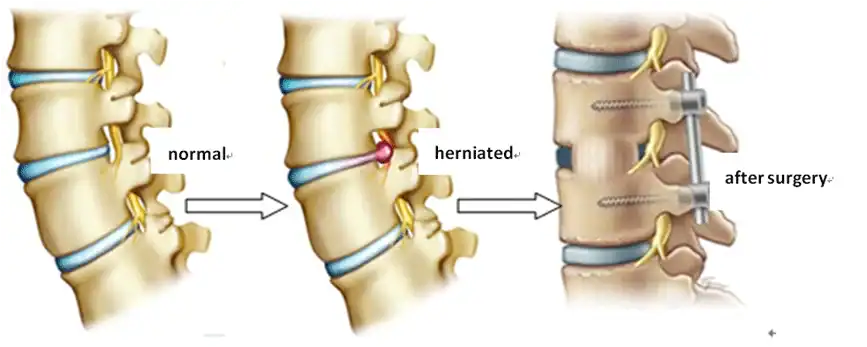
Back pain is one of the most common health concerns affecting people of all ages. While many cases improve with rest and lifestyle changes, persistent pain that radiates to the legs or causes numbness may indicate a herniated disc, also known as a slipped disc. This condition can significantly impact mobility, work performance, and quality of life. Fortunately, modern medicine offers multiple treatment options ranging from non-surgical therapies to advanced minimally invasive spine surgery. The key is choosing the right treatment based on the severity of symptoms and the patient’s overall health.
At Mediheal Hospital, a trusted Spine surgery hospital in Ahmedabad, experienced spine specialists evaluate every patient thoroughly before recommending a personalized treatment plan. Whether you need herniated disc treatment, physiotherapy for disc bulge, or advanced spine surgery, timely intervention can help you recover faster and prevent long-term complications.
What Is a Herniated Disc?
The spine consists of vertebrae separated by soft cushions called intervertebral discs. Each disc has:
Outer Layer (Annulus Fibrosus)
A tough, fibrous ring that protects the disc.
Inner Gel (Nucleus Pulposus)
A soft, jelly-like center that absorbs shock and allows flexibility.
A herniated disc occurs when the outer layer tears or weakens, allowing the inner gel to protrude. This bulging material can compress nearby nerves, leading to pain, numbness, tingling, or muscle weakness.
A herniated disc can occur in any part of the spine but is most common in the:
Lumbar spine (lower back)
Cervical spine (neck)
Less commonly, the thoracic spine (upper back)
What Causes a Herniated Disc?
Several factors contribute to disc herniation.
Age-Related Wear and Tear
As people age, spinal discs lose water content, becoming less flexible and more prone to injury.
Improper Lifting
Using your back instead of your legs while lifting heavy objects can strain spinal discs.
Repetitive Physical Stress
Jobs requiring repeated bending, twisting, or heavy lifting increase the risk.
Obesity
Extra body weight puts additional pressure on the spine.
Sedentary Lifestyle
Weak back and core muscles fail to support the spine properly.
Trauma
Accidents, sports injuries, or falls may cause sudden disc herniation.
Smoking
Smoking reduces blood flow to spinal discs, accelerating degeneration.
Common Symptoms of a Herniated Disc
Symptoms vary depending on the location and severity of nerve compression.
Lower Back Herniated Disc Symptoms
Persistent lower back pain
Pain radiating to one leg (Sciatica)
Numbness or tingling
Muscle weakness
Difficulty standing or walking
Pain while sitting or bending
Neck Herniated Disc Symptoms
Neck pain
Shoulder pain
Arm numbness
Tingling in fingers
Weak grip strength
Difficulty moving the neck
How Is a Herniated Disc Diagnosed?
Early diagnosis helps determine whether conservative treatment or surgery is appropriate.
Medical History
The doctor reviews symptoms, occupation, previous injuries, and lifestyle.
Physical Examination
Tests include:
Muscle strength
Reflexes
Walking pattern
Sensation
Straight Leg Raise Test
MRI Scan
MRI is the gold standard for identifying disc herniation and nerve compression.
CT Scan
Useful when MRI cannot be performed.
X-ray
Although discs are not visible, X-rays help rule out fractures or spinal instability.
Nerve Conduction Studies
Performed if nerve damage is suspected.
Understanding Herniated Disc Recovery
Many patients believe surgery is the only solution, but that is not always true.
Studies show that nearly 80–90% of patients improve with conservative treatment when symptoms are mild to moderate.
Recovery depends on:
Size of disc herniation
Duration of symptoms
Age
Physical fitness
Compliance with treatment
Presence of nerve damage
Conservative Treatment for Herniated Disc
Most patients begin with non-surgical treatment.
Activity Modification
Complete bed rest is no longer recommended. Gentle movement improves blood circulation and speeds healing.
Patients should avoid:
Heavy lifting
Sudden twisting
Long sitting hours
High-impact exercises
Pain Medications
Doctors may prescribe:
Anti-inflammatory medicines
Muscle relaxants
Nerve pain medications
Short-term pain relievers
Medication should always be taken under medical supervision.
Physiotherapy for Disc Bulge
One of the most effective treatments for slipped disc recovery is physiotherapy for disc bulge.
A physiotherapist designs customized exercises that:
Reduce nerve compression
Improve flexibility
Strengthen core muscles
Improve posture
Reduce recurrence
Common physiotherapy techniques include:
McKenzie Exercises
Help centralize pain and reduce pressure on spinal discs.
Core Strengthening
Improves spinal stability.
Stretching Exercises
Reduce stiffness.
Manual Therapy
Improves joint movement and relieves pain.
Posture Training
Prevents future spinal injuries.
Hot and Cold Therapy
Ice packs reduce inflammation during the initial phase.
Heat therapy relaxes muscles and improves circulation later.
Epidural Steroid Injections
For persistent nerve pain, corticosteroid injections reduce inflammation around compressed nerves.
These injections provide temporary relief and may delay or eliminate the need for surgery.
Lifestyle Changes
Lifestyle plays a major role in successful recovery.
Patients should:
Maintain healthy weight
Quit smoking
Stay physically active
Practice ergonomic sitting
Sleep on supportive mattresses
Perform daily stretching
When Is Surgery Necessary?
Although many patients recover without surgery, surgery becomes necessary when conservative treatment fails.
Doctors may recommend surgery if:
Pain persists beyond 6–12 weeks
Severe leg weakness develops
Walking becomes difficult
Loss of bladder or bowel control occurs
Progressive nerve damage is detected
Quality of life is significantly affected
Emergency surgery is required for Cauda Equina Syndrome, a rare but serious condition.
Types of Herniated Disc Surgery
Modern spine surgery is safer and less invasive than ever before.
Microdiscectomy
The most commonly performed procedure.
A small incision is made, and only the herniated disc fragment compressing the nerve is removed.
Benefits include:
Less pain
Faster recovery
Smaller incision
Short hospital stay
Endoscopic Spine Surgery
A tiny camera is inserted through a small incision.
Advantages include:
Minimal tissue damage
Faster healing
Less blood loss
Quicker return to work
Laminectomy
Part of the vertebral bone is removed to create more space for compressed nerves.
Spinal Fusion
Recommended when spinal instability is present along with disc degeneration.
Two vertebrae are permanently joined for better stability.
Surgery vs Conservative Treatment: Which Is Better?
| Conservative Treatment | Surgery |
|---|---|
| Suitable for mild to moderate symptoms | Best for severe nerve compression |
| No incision | Surgical procedure |
| Lower immediate cost | Higher initial cost |
| Requires patience | Faster pain relief in selected cases |
| Lower risk | Surgical risks exist |
| Longer recovery in some cases | Faster return to normal activities in many patients |
There is no one-size-fits-all treatment. The best option depends on the patient’s symptoms, MRI findings, and overall health.
Recovery Timeline After Herniated Disc Treatment
Recovery varies from person to person.
First Two Weeks
Pain gradually decreases
Light walking encouraged
Avoid heavy lifting
Two to Six Weeks
Physiotherapy begins
Mobility improves
Muscle strengthening starts
Six Weeks to Three Months
Return to desk work
Resume light exercise
Significant reduction in symptoms
Three to Six Months
Most patients regain normal daily activities with continued rehabilitation.
Tips for Faster Slipped Disc Recovery
Recovery can be improved by following healthy habits.
Maintain Good Posture
Sit with proper lumbar support.
Stay Active
Avoid prolonged bed rest.
Strengthen Core Muscles
Regular exercise protects the spine.
Lift Correctly
Always bend your knees while lifting heavy objects.
Maintain Healthy Weight
Reduced body weight decreases spinal stress.
Stay Hydrated
Healthy discs require adequate hydration.
Sleep Properly
Use supportive mattresses and sleep positions.
Follow Medical Advice
Complete physiotherapy sessions and take medicines as prescribed.
Can a Herniated Disc Heal Naturally?
Yes.
Many herniated discs gradually shrink over time as the body absorbs the displaced disc material.
Natural healing depends on:
Size of herniation
Age
Overall health
Regular physiotherapy
Activity level
However, persistent neurological symptoms should never be ignored.
Preventing Future Disc Problems
Prevention is always better than treatment.
Healthy habits include:
Daily stretching
Regular exercise
Core strengthening
Weight management
Avoid smoking
Correct lifting techniques
Ergonomic workplace setup
Taking breaks during long sitting hours
These habits reduce the risk of recurrent slipped discs.
Why Choose Mediheal Hospital for Herniated Disc Treatment?
Choosing the right healthcare provider significantly influences recovery outcomes.
As a leading Spine surgery hospital in Ahmedabad, Mediheal Hospital offers comprehensive diagnosis, conservative management, rehabilitation, and advanced spine surgeries under one roof.
Our strengths include:
Experienced spine surgeons
Advanced MRI and diagnostic facilities
Personalized treatment plans
Minimally invasive spine surgery
Comprehensive physiotherapy and rehabilitation
Patient-focused care
Modern operation theatres
Multidisciplinary approach for faster recovery
Whether your condition requires physiotherapy for disc bulge or advanced surgical intervention, our team focuses on restoring mobility while minimizing recovery time.
Conclusion
A herniated disc can be painful, but it does not always require surgery. Most patients experience excellent results with conservative treatment, including medication, lifestyle changes, and physiotherapy for disc bulge. Surgery is generally reserved for severe cases involving persistent pain, neurological deficits, or failed non-surgical treatment.
The most important step is obtaining an accurate diagnosis and starting treatment early. Ignoring symptoms may lead to worsening nerve damage and prolonged recovery.
If you are experiencing persistent back pain, leg pain, numbness, or weakness, consult the experienced spine specialists at Mediheal Hospital, a trusted Spine surgery hospital in Ahmedabad. Early evaluation and individualized treatment can help you return to an active, pain-free life.
Frequently Asked Questions (FAQs)
Is a herniated disc the same as a slipped disc?
Yes. Both terms refer to the same condition where the inner portion of a spinal disc protrudes through its outer layer.
Can a herniated disc heal without surgery?
Yes. Around 80–90% of patients improve with conservative treatment, including medication, physiotherapy, and lifestyle changes.
How long does slipped disc recovery take?
Recovery may take anywhere from a few weeks to several months, depending on the severity of the condition and the treatment approach.
Is physiotherapy effective for disc bulge?
Yes. Physiotherapy for disc bulge is highly effective in reducing pain, strengthening muscles, improving flexibility, and preventing recurrence.
When should I consider surgery for a herniated disc?
Surgery may be recommended if severe pain persists despite conservative treatment, progressive muscle weakness develops, or there is significant nerve compression affecting daily life.
Can I exercise with a herniated disc?
Yes, but only under the guidance of a healthcare professional. Low-impact exercises and supervised physiotherapy are generally recommended.
What activities should I avoid during recovery?
Avoid heavy lifting, twisting movements, prolonged sitting, and high-impact sports until your doctor advises it is safe to resume these activities.
Can a herniated disc come back after treatment?
Although recurrence is possible, maintaining a healthy weight, strengthening core muscles, practicing proper posture, and following ergonomic habits can significantly reduce the risk.