
Snoring or Sleep Apnea? Signs It's More Than Just Loud Sleeping
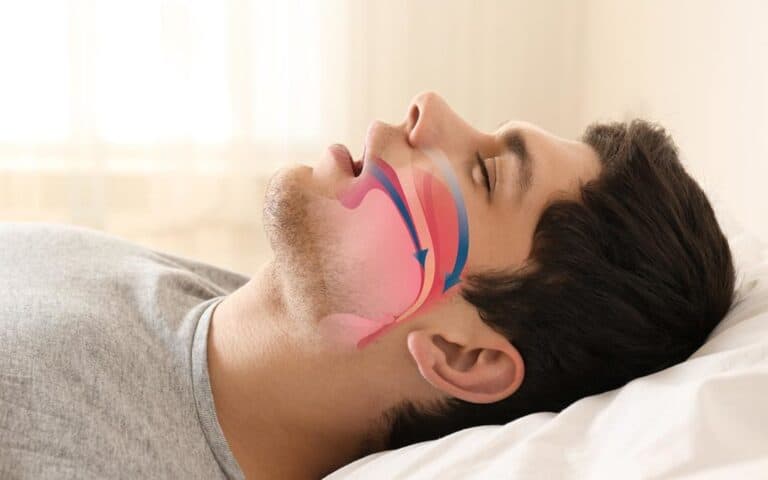
Snoring is often dismissed as a harmless habit or even a source of humor among family members. However, persistent, loud snoring can sometimes be a warning sign of a serious medical condition called obstructive sleep apnea (OSA). Millions of people experience disrupted sleep because of undiagnosed sleep apnea, putting them at greater risk of heart disease, diabetes, stroke, high blood pressure, and reduced quality of life.
Many individuals ignore symptoms because they assume snoring is normal. Unfortunately, untreated sleep apnea can silently affect every organ system in the body while leaving patients feeling exhausted, irritable, and unable to concentrate during the day.
If you or your loved one snores loudly, gasps for air during sleep, or constantly wakes up feeling tired despite getting enough hours of sleep, it’s time to seek professional evaluation. At Mediheal Hospital, our experienced ENT specialists provide comprehensive diagnosis and Sleep apnea treatment in Ahmedabad using advanced technology and personalized treatment plans.
What Is Snoring?
Snoring occurs when airflow is partially blocked while sleeping, causing the soft tissues of the throat to vibrate. This vibration produces the familiar snoring sound.
Occasional snoring can happen due to:
Sleeping on your back
Nasal congestion
Allergies
Alcohol consumption before bedtime
Fatigue
Temporary cold or flu
While occasional snoring isn’t usually dangerous, frequent loud snoring accompanied by breathing pauses is not normal and may indicate obstructive sleep apnea (OSA).
What Is Obstructive Sleep Apnea?
Obstructive sleep apnea (OSA) is a common sleep disorder in which the airway repeatedly becomes blocked during sleep, causing breathing to stop for several seconds or even longer.
Each pause in breathing lowers oxygen levels, forcing the brain to briefly wake the body so normal breathing can resume. Most people don’t remember these awakenings, but they may occur dozens or even hundreds of times every night.
This continuous interruption prevents deep, restorative sleep and increases stress on the heart and brain.
How Does Sleep Apnea Develop?
During sleep, the muscles supporting the tongue and throat naturally relax.
In people with OSA:
The airway narrows excessively.
Soft tissues collapse.
Airflow becomes blocked.
Oxygen levels drop.
The brain signals the body to wake briefly.
Breathing resumes with a gasp or choking sound.
This cycle repeats throughout the night.
Snoring vs Sleep Apnea: What’s the Difference?
Many people confuse snoring with sleep apnea, but they are not the same.
| Snoring | Sleep Apnea |
|---|---|
| Noisy breathing during sleep | Repeated pauses in breathing |
| May occur occasionally | Happens multiple times every night |
| Doesn’t always affect oxygen | Oxygen levels decrease |
| Usually harmless | Serious medical condition |
| Doesn’t always cause daytime fatigue | Causes excessive daytime sleepiness |
| No choking episodes | Commonly associated with choking or gasping |
If someone notices you stop breathing while sleeping, it should never be ignored.
Signs That Your Snoring Could Be Sleep Apnea
Several warning signs suggest your snoring is more than just loud sleeping.
Loud, Persistent Snoring
Loud snoring that occurs almost every night is one of the most common symptoms of OSA.
Pauses in Breathing
Family members often notice periods where breathing completely stops for several seconds.
Gasping or Choking During Sleep
People with sleep apnea frequently wake suddenly gasping for air.
Morning Headaches
Reduced oxygen overnight can trigger frequent headaches after waking up.
Excessive Daytime Sleepiness
Even after sleeping for eight hours, patients may feel exhausted throughout the day.
They may:
Fall asleep while watching television
Feel sleepy during meetings
Struggle while driving
Need multiple naps
Dry Mouth or Sore Throat
Mouth breathing during sleep often causes:
Dry mouth
Sore throat
Bad breath
Difficulty Concentrating
Poor sleep affects brain function, leading to:
Poor memory
Reduced concentration
Difficulty making decisions
Slower reaction time
Mood Changes
Sleep deprivation can increase:
Anxiety
Depression
Irritability
Mood swings
High Blood Pressure
Many patients with resistant hypertension have undiagnosed sleep apnea.
Night Sweats
Interrupted sleep may lead to excessive sweating during the night.
Frequent Nighttime Urination
Sleep apnea can increase nighttime trips to the bathroom.
Who Is at Higher Risk?
Anyone can develop sleep apnea, but certain factors increase the risk.
These include:
Obesity
Large neck circumference
Age over 40
Male gender
Family history
Smoking
Alcohol use
Nasal obstruction
Enlarged tonsils
Deviated nasal septum
Hypothyroidism
Children with enlarged adenoids or tonsils can also develop obstructive sleep apnea.
Common Causes of Obstructive Sleep Apnea
Several anatomical and lifestyle factors contribute to airway blockage.
Excess Body Weight
Fat deposits around the neck narrow the airway.
Enlarged Tonsils
Especially common in children and young adults.
Deviated Nasal Septum
Difficulty breathing through the nose increases airway resistance.
Nasal Polyps
These can obstruct normal airflow.
Jaw Structure
A small jaw or recessed chin can make airway collapse more likely.
Enlarged Tongue
A large tongue can obstruct the airway during sleep.
Health Risks of Untreated Sleep Apnea
Ignoring sleep apnea may lead to severe complications.
High Blood Pressure
Repeated oxygen drops increase blood pressure over time.
Heart Disease
OSA significantly increases the risk of:
Heart attack
Heart failure
Irregular heartbeat
Stroke
Poor oxygen supply increases stroke risk.
Type 2 Diabetes
Sleep apnea contributes to insulin resistance.
Obesity
Poor sleep affects hunger hormones, making weight loss difficult.
Mental Health Problems
Untreated sleep apnea is linked to depression and anxiety.
Memory Problems
Long-term sleep disruption affects cognitive performance.
Accidents
Daytime drowsiness greatly increases road traffic and workplace accidents.
How Is Sleep Apnea Diagnosed?
Proper diagnosis begins with a detailed medical evaluation.
ENT specialists assess:
Medical history
Sleep symptoms
Airway anatomy
Nasal obstruction
Throat examination
The gold standard test is a Sleep Study (Polysomnography).
It records:
Brain activity
Breathing patterns
Oxygen levels
Heart rate
Eye movements
Muscle activity
Sleep stages
Home sleep studies may also be recommended for selected patients.
Treatment Options for Sleep Apnea
Treatment depends on the severity and underlying cause.
Lifestyle Changes
For mild cases, doctors may recommend:
Weight loss
Regular exercise
Avoiding alcohol before bedtime
Quitting smoking
Sleeping on your side
Better sleep hygiene
CPAP Therapy
Continuous Positive Airway Pressure (CPAP) remains the gold standard treatment for moderate and severe OSA.
It keeps the airway open using gentle air pressure.
Benefits include:
Better sleep quality
Reduced snoring
Improved oxygen levels
Lower blood pressure
Increased energy
CPAP Alternatives
Some patients struggle to use CPAP every night.
Depending on individual needs, doctors may recommend CPAP alternatives, including:
Oral Appliance Therapy
Custom dental devices move the lower jaw forward to keep the airway open.
Positional Therapy
Useful for patients whose apnea occurs mainly while sleeping on their back.
Weight Management
Even modest weight loss can reduce OSA severity.
Surgical Treatment
ENT surgeons may recommend surgery when structural airway obstruction is present.
Common procedures include:
Septoplasty
Turbinate reduction
Tonsillectomy
Adenoidectomy
Uvulopalatopharyngoplasty (UPPP)
Tongue base procedures
Nasal surgery
The most appropriate treatment depends on the patient’s airway anatomy and sleep study findings.
Can Sleep Apnea Be Prevented?
Although not every case can be prevented, healthy habits reduce the risk.
You can:
Maintain a healthy weight
Exercise regularly
Stop smoking
Limit alcohol
Treat allergies
Sleep on your side
Manage nasal congestion
Follow a consistent sleep schedule
When Should You See an ENT Specialist?
Seek medical attention if you experience:
Loud snoring every night
Witnessed pauses in breathing
Choking during sleep
Morning headaches
Excessive daytime sleepiness
Poor concentration
High blood pressure with loud snoring
Dry mouth every morning
Frequent nighttime awakenings
Early diagnosis helps prevent serious complications.
Why Choose Mediheal Hospital for Sleep Apnea Treatment in Ahmedabad?
At Mediheal Hospital, patients receive comprehensive ENT care with advanced diagnostic facilities and personalized treatment plans.
Our specialists focus on identifying the exact cause of airway obstruction before recommending treatment. Whether you require lifestyle modifications, CPAP therapy, CPAP alternatives, or surgical intervention, we ensure evidence-based care tailored to your condition.
Our strengths include:
Advanced sleep disorder evaluation
Comprehensive airway assessment
Modern diagnostic technology
Personalized treatment plans
Surgical expertise for airway correction
Compassionate patient-centered care
Long-term follow-up and support
Conclusion
Snoring is not always harmless. While occasional snoring may simply be an inconvenience, persistent loud snoring combined with breathing pauses, choking, daytime fatigue, or morning headaches could indicate obstructive sleep apnea, a serious condition that requires medical attention.
Ignoring the symptoms can increase the risk of heart disease, stroke, diabetes, and poor quality of life. Fortunately, modern diagnosis and treatment options can dramatically improve sleep, health, and overall well-being.
If you or someone you love experiences these symptoms, don’t wait. Consult the experienced ENT specialists at Mediheal Hospital for expert evaluation and Sleep apnea treatment in Ahmedabad, and take the first step toward healthier, uninterrupted sleep.
Frequently Asked Questions (FAQs)
1. Is loud snoring always a sign of sleep apnea?
No. Not everyone who snores has sleep apnea. However, loud snoring combined with breathing pauses, choking, or excessive daytime sleepiness should be evaluated by an ENT specialist.
2. What is obstructive sleep apnea?
Obstructive sleep apnea is a sleep disorder in which the airway repeatedly becomes blocked during sleep, causing temporary pauses in breathing and reduced oxygen levels.
3. How is sleep apnea diagnosed?
Diagnosis typically involves a physical examination, medical history, and a sleep study (polysomnography) to monitor breathing, oxygen levels, and sleep patterns.
4. Can sleep apnea be treated without surgery?
Yes. Many patients benefit from lifestyle changes, CPAP therapy, oral appliances, positional therapy, or other CPAP alternatives. Surgery is recommended only when structural airway obstruction is the underlying cause.
5. Is CPAP the only treatment available?
No. While CPAP is considered the gold standard for moderate to severe sleep apnea, several CPAP alternatives are available depending on the patient’s condition and preferences.
6. Can losing weight improve sleep apnea?
Yes. Weight loss can significantly reduce airway obstruction and improve symptoms, especially in overweight or obese individuals.
7. Is sleep apnea dangerous if left untreated?
Yes. Untreated sleep apnea increases the risk of high blood pressure, heart disease, stroke, diabetes, depression, and accidents caused by daytime drowsiness.
8. Which doctor should I consult for sleep apnea treatment?
An ENT specialist or sleep medicine specialist can diagnose the condition, identify airway abnormalities, and recommend the most appropriate treatment plan.