
Endoscopic Spine Surgery: Advanced Minimally Invasive Treatment for Faster Recovery
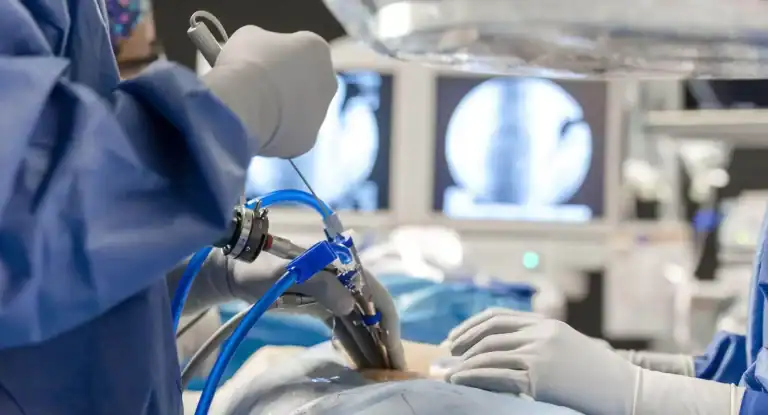
Back pain is more than just a temporary discomfort for many people. Persistent back or neck pain can interfere with walking, sitting, sleeping, working and even simple everyday activities. When pain begins to travel into the arms or legs, or is accompanied by numbness, tingling or weakness, it may indicate that a spinal nerve is being compressed. While many spinal conditions can improve with medicines, physiotherapy and other non-surgical treatments, some patients may eventually require surgery. Modern spine care has evolved significantly, and patients today have access to advanced procedures that can treat certain spinal conditions without the extensive tissue disruption associated with traditional open surgery. Endoscopic spine surgery is one such minimally invasive technique. It uses a small endoscope equipped with a camera and specialized surgical instruments to access the affected area of the spine through a very small incision. The goal of endoscopic spine surgery is not simply to make the incision smaller. It is to reach the source of nerve compression while preserving as much of the surrounding healthy tissue as possible. For appropriately selected patients, this approach may result in less postoperative discomfort, smaller scars, shorter hospital stays and a faster return to daily activities. At Mediheal Hospital, patients can undergo a detailed evaluation to determine whether endoscopic spine treatment is appropriate for their specific condition.
What Is Endoscopic Spine Surgery?
Understanding the Procedure
Endoscopic spine surgery is a type of minimally invasive spine surgery that uses a thin instrument called an endoscope. The endoscope contains a small camera and light that allow the surgeon to see the spine on a high-resolution monitor. Instead of creating a large opening to expose the spinal structures, the surgeon uses a small access pathway to reach the affected area. Once the endoscope is positioned, specialized instruments can be introduced through the same working channel. Depending on the patient’s condition, the surgeon may remove a portion of a herniated disc, decompress a spinal nerve or address another specific source of nerve irritation. Because the procedure is performed through a small access point, there may be less disruption to the muscles and other soft tissues surrounding the spine. However, endoscopic surgery is not suitable for every spinal condition, and the decision should always be based on an individual’s diagnosis, symptoms, imaging and overall health.
How Does Endoscopic Spine Surgery Work?
From Diagnosis to Treatment
Before surgery is considered, a spine specialist carefully evaluates the patient’s symptoms and medical history. Symptoms such as persistent back pain, sciatica, numbness, tingling or weakness may suggest nerve compression, but these symptoms can have several different causes. A physical and neurological examination is therefore important. Imaging, particularly MRI scans, can help identify conditions such as a herniated disc, foraminal stenosis or spinal stenosis. The specialist compares the imaging findings with the patient’s symptoms to determine whether the identified spinal abnormality is actually responsible for the problem. During an endoscopic procedure, a small incision is made and the endoscope is guided toward the affected area. The camera provides a magnified view of the surgical field, allowing the surgeon to identify the nerve, disc and surrounding structures. Specialized instruments can then be used to remove the material compressing the nerve or perform the required decompression. Once the treatment is complete, the instruments are removed and the small incision is closed. The exact surgical approach depends on the location and nature of the spinal problem.
What Conditions Can Endoscopic Spine Surgery Treat?
Herniated or Slipped Disc
A herniated disc occurs when the soft inner portion of a spinal disc pushes through a weakened or damaged outer layer. In some cases, the displaced disc material can press against a nearby nerve and cause pain, numbness, tingling or weakness. If symptoms continue despite appropriate non-surgical treatment, and imaging confirms that the disc is compressing a nerve in a way that can be safely accessed, endoscopic discectomy may be considered. During this procedure, the surgeon removes the portion of the disc responsible for nerve compression while attempting to preserve the surrounding structures.
Sciatica
Sciatica is commonly associated with pain that travels from the lower back into the buttock and down the leg. It can occur when a spinal nerve is compressed, often because of a herniated disc. When the underlying cause is suitable for endoscopic treatment, removing the offending disc fragment or decompressing the nerve may help relieve the pressure. The suitability of the procedure depends on the exact location and severity of the nerve compression.
Spinal Stenosis
Spinal stenosis occurs when the spaces available for the spinal cord or nerves become narrowed. This narrowing can lead to pain, numbness, weakness or difficulty walking. Some forms of spinal stenosis can be treated using minimally invasive or endoscopic decompression techniques. However, severe or extensive stenosis may require another type of surgical procedure. A spine specialist must assess the condition before recommending treatment.
Foraminal Stenosis
The openings through which spinal nerves exit the spinal column are called foramina. When these openings become narrowed, the exiting nerve may become compressed. Selected cases of foraminal stenosis can potentially be treated through an endoscopic approach. The aim is to remove or reduce the structures responsible for the compression while minimizing unnecessary damage to surrounding tissues.
What Is Endoscopic Discectomy?
A Minimally Invasive Approach for Disc Problems
Endoscopic discectomy is one of the most commonly discussed applications of endoscopic spine surgery. It is generally considered when a herniated disc is compressing a spinal nerve and causing symptoms such as severe leg pain, numbness, tingling or weakness.
Instead of creating a larger surgical opening, the surgeon uses an endoscope to reach the affected disc through a small incision. The camera provides a magnified view of the surgical area, allowing the surgeon to identify the nerve and the herniated disc material.
The portion of the disc that is pressing on the nerve can then be carefully removed. The goal is to decompress the nerve while preserving as much normal spinal anatomy as possible.
Endoscopic discectomy may offer advantages such as a smaller incision, reduced tissue disruption and potentially faster postoperative recovery in appropriately selected patients. However, the procedure is not automatically appropriate for every disc problem.
What Are the Benefits of Endoscopic Spine Surgery?
Smaller Incision and Less Tissue Disruption
One of the most noticeable advantages of endoscopic spine surgery is the small incision used to access the spine. Traditional open surgery may require greater exposure of the muscles and other tissues surrounding the spine. Endoscopic techniques are designed to reach the affected area through a much smaller pathway.
This reduced surgical access can mean less disruption to surrounding muscles and soft tissues. For some patients, this may contribute to less postoperative discomfort and a quicker return to normal movement.
Potentially Faster Recovery
Another important benefit is the potential for a shorter recovery period. Because endoscopic procedures are less disruptive to surrounding tissues, appropriately selected patients may be able to resume light activities sooner than patients undergoing more extensive procedures.
However, recovery is highly individual. The type of spinal condition, surgical technique, overall health, age, physical activity and adherence to postoperative instructions can all influence the recovery process.
Smaller Scar
The smaller incision used in endoscopic spine surgery generally results in a smaller surgical scar. While the appearance of the scar varies from person to person depending on individual healing, incision size and skin characteristics, many patients appreciate the reduced visible scarring.
Less Blood Loss
Because endoscopic procedures typically involve a smaller surgical access pathway, blood loss can be lower in selected procedures. The exact amount varies according to the surgery and the patient’s individual circumstances.
Shorter Hospital Stay
Some endoscopic spine procedures can be performed with a short hospital stay, and selected patients may even be treated in an outpatient setting. The appropriate length of observation depends on the specific procedure, the patient’s health and the surgeon’s recommendation.
Is Endoscopic Spine Surgery Better Than Traditional Surgery?
Choosing the Right Procedure for the Patient
It is understandable that patients may assume that a newer and less invasive procedure must always be better. However, spine surgery is highly individual, and there is no single technique that is appropriate for every patient.
Endoscopic spine surgery can be an excellent option for certain conditions, particularly selected cases of disc herniation and nerve compression. However, patients with significant spinal instability, severe deformity, extensive disease or conditions requiring spinal fusion may need a different surgical approach.
The purpose of modern spine surgery is not simply to use the smallest possible incision. The priority is to provide effective and safe treatment while achieving the best possible long-term outcome.
A spine specialist should therefore evaluate the patient’s symptoms, neurological examination and imaging before recommending endoscopic or conventional surgery.
Who May Be Suitable for Endoscopic Spine Surgery?
Patient Selection Matters
A patient may be considered for endoscopic spine surgery when there is a clearly identifiable spinal problem that can be safely treated using an endoscopic approach. This may include certain herniated discs, nerve compression and selected cases of spinal stenosis or foraminal stenosis.
Patients whose symptoms have not improved adequately with appropriate non-surgical treatments may also be evaluated for surgery. The imaging findings should correspond with the symptoms and physical examination.
However, not every patient with back pain requires surgery. In many cases, treatment may begin with physiotherapy, medication, activity modification or other conservative measures.
The final decision regarding endoscopic spine surgery should be made after a complete evaluation by a qualified spine specialist.
When May Endoscopic Spine Surgery Not Be Suitable?
Understanding Its Limitations
Endoscopic spine surgery has important benefits, but it also has limitations. Some spinal conditions are too extensive or complex to be treated safely using an endoscopic technique alone.
Patients with significant spinal instability, severe deformity, extensive multi-level disease or conditions requiring stabilization may need conventional minimally invasive surgery or open surgery.
Previous spinal surgery can also influence the choice of surgical approach. The anatomy may be altered by scar tissue or other changes, making a different procedure more appropriate.
This is why patients should not decide on endoscopic surgery based solely on an MRI report. A proper diagnosis requires the patient’s symptoms, examination and imaging to be considered together.
What to Expect Before Endoscopic Spine Surgery?
Preparing for Treatment
Before surgery, the spine specialist will discuss the patient’s symptoms, previous treatments and medical history. The doctor may ask how long the pain has been present, whether it radiates into the arms or legs and whether there is numbness, tingling or weakness.
A neurological examination may be performed to assess muscle strength, sensation and reflexes. MRI or other imaging may be reviewed to determine the exact location and cause of nerve compression.
The surgeon will also discuss the expected benefits, possible risks and alternative treatment options. Patients should use this consultation to ask questions about the procedure, anesthesia, recovery, activity restrictions and expected results.
What Is Spine Surgery Recovery Like?
The First Few Days
Spine surgery recovery varies from one patient to another. Some patients notice improvement in their radiating nerve pain relatively soon after decompression, while other symptoms may take longer to settle.
It is normal to experience some soreness around the surgical area during the early recovery period. The nerve may also require time to recover, particularly if it was compressed for an extended period before surgery.
Depending on the procedure and the patient’s condition, the medical team may encourage gentle movement and walking soon after surgery. The exact instructions should always come from the treating surgeon.
Returning to Normal Activities
Patients are generally advised to gradually increase their activity rather than immediately returning to strenuous exercise or heavy physical work. Walking is often a useful low-impact activity during recovery when permitted by the medical team.
Heavy lifting, repeated bending and twisting may be restricted for a period after surgery. Patients should follow the individual activity guidelines provided by their surgeon.
The timeline for returning to work depends on the type of job. Someone with a desk-based occupation may return sooner than someone whose work involves heavy lifting or prolonged physical activity.
How Can You Support a Smooth Spine Surgery Recovery?
Follow Postoperative Instructions
Following the surgeon’s instructions is one of the most important parts of recovery. Medication, wound care, activity restrictions and follow-up appointments should be managed according to the treatment plan.
Stay Physically Active at the Right Pace
Complete inactivity is not always beneficial after spine surgery. When permitted by the doctor, gentle walking can help patients gradually regain mobility and confidence.
However, increasing activity too quickly can interfere with healing. Patients should therefore increase their activity gradually.
Maintain a Healthy Lifestyle
A balanced diet, adequate hydration, healthy body weight and avoidance of smoking can support general recovery. Patients should also discuss any supplements or medications they take with their healthcare team.
Attend Follow-Up Appointments
Follow-up appointments allow the spine specialist to assess recovery and determine whether the patient’s symptoms are improving as expected. These appointments are also an opportunity to discuss any new or persistent symptoms.
Are There Risks Associated With Endoscopic Spine Surgery?
Understanding the Possible Complications
Endoscopic spine surgery is minimally invasive, but it is still a surgical procedure and therefore has potential risks. Possible complications may include infection, bleeding, nerve irritation or injury, dural tear, cerebrospinal fluid leakage, recurrent disc herniation or complications related to anesthesia.
The risk of complications depends on the patient’s condition, the specific procedure and other individual factors. Endoscopic procedures also require specialized technical expertise because the surgeon works through a limited access pathway.
For this reason, appropriate patient selection and careful preoperative planning are important parts of successful treatment.
Why Choose Mediheal Hospital for Spine Care?
Comprehensive Evaluation and Personalized Treatment
Spine problems can have many different causes, which is why accurate diagnosis is essential before selecting a treatment. At Mediheal Hospital, patients can receive a comprehensive evaluation of their spinal condition and discuss available treatment options with the spine care team.
The treatment plan may involve conservative management, physiotherapy, medication, injections, minimally invasive spine surgery or endoscopic spine treatment, depending on the patient’s diagnosis.
The objective is to select the treatment that best matches the patient’s condition rather than recommending surgery simply because it is technologically advanced.
When Should You Consult a Spine Specialist?
Do Not Ignore Persistent Symptoms
Occasional back pain may improve with rest and conservative care, but persistent or worsening symptoms should not be ignored. A consultation with a spine specialist may be appropriate when back or neck pain continues to interfere with work, sleep, walking or everyday activities.
Symptoms such as pain radiating into an arm or leg, persistent numbness, tingling, weakness or difficulty walking can indicate nerve involvement and should be evaluated.
Sudden severe weakness, loss of bladder or bowel control, or numbness around the groin or inner thighs can indicate a serious neurological problem and requires urgent medical attention.
Frequently Asked Questions About Endoscopic Spine Surgery
Is endoscopic spine surgery painful?
Some discomfort is expected after any surgical procedure. However, because endoscopic spine surgery generally uses a smaller access pathway and causes less disruption to surrounding tissues, some patients may experience less postoperative discomfort compared with more invasive procedures. Individual experiences can vary.
How long does endoscopic spine surgery take?
The duration depends on the type of procedure, the location of the spinal problem and its complexity. Your spine surgeon can provide an individualized estimate after evaluating your condition and imaging.
Is endoscopic discectomy safe?
Endoscopic discectomy can be an effective option for appropriately selected patients with certain types of disc herniation and nerve compression. However, it carries potential surgical risks, just like other spine procedures. Your surgeon should explain the benefits, risks and alternatives before treatment.
How quickly can I walk after endoscopic spine surgery?
Many patients are encouraged to begin gentle movement and walking soon after surgery when medically appropriate. The exact timing depends on the procedure, anesthesia, health status and surgeon’s postoperative instructions.
How long does spine surgery recovery take?
There is no fixed recovery period for everyone. Some patients may return to light activities relatively quickly, while others may need several weeks before returning to demanding physical activities. Your recovery timeline will depend on your procedure and individual health.
Can endoscopic spine surgery treat a slipped disc?
Yes. Endoscopic discectomy can be used for selected cases of herniated or slipped discs that are causing nerve compression and symptoms that have not responded adequately to non-surgical treatment.
Does endoscopic spine surgery leave a scar?
Endoscopic spine surgery usually requires a small incision, so the resulting scar is generally smaller than the scar associated with traditional open surgery. Individual scar healing varies.
Can endoscopic surgery avoid spinal fusion?
In some selected patients, an endoscopic decompression or discectomy can treat the source of symptoms without fusion. However, patients with spinal instability or other conditions requiring stabilization may still need fusion or another surgical procedure.
Is endoscopic spine surgery suitable for everyone?
No. The suitability of endoscopic treatment depends on the diagnosis, anatomy, severity of nerve compression, spinal stability and overall health. A spine specialist should determine whether it is appropriate.
When should I see a spine specialist?
You should consider consulting a spine specialist if back or neck pain persists, radiates into your arms or legs, causes numbness or weakness, or significantly interferes with your daily activities. Early evaluation can help identify the cause and determine appropriate treatment options.
Conclusion
Endoscopic spine surgery is an important advancement in modern minimally invasive spine care. By using a small endoscope and specialized instruments, surgeons can treat selected spinal conditions while minimizing disruption to surrounding muscles and tissues.
For appropriately selected patients, endoscopic discectomy and other endoscopic procedures may provide advantages such as smaller incisions, reduced tissue trauma, less postoperative discomfort and potentially faster recovery. However, minimally invasive treatment is not automatically the right choice for every spinal condition.
The most important step is receiving an accurate diagnosis and discussing all appropriate treatment options with an experienced spine specialist. Whether the recommended approach is conservative treatment, physiotherapy, minimally invasive spine surgery or endoscopic spine treatment, the goal should always be safe and effective care tailored to the individual patient.
If persistent back or leg pain is affecting your quality of life, consult the spine care team at Mediheal Hospital for a comprehensive evaluation and personalized treatment plan.