
Spinal Fusion Surgery: When Is It Recommended?
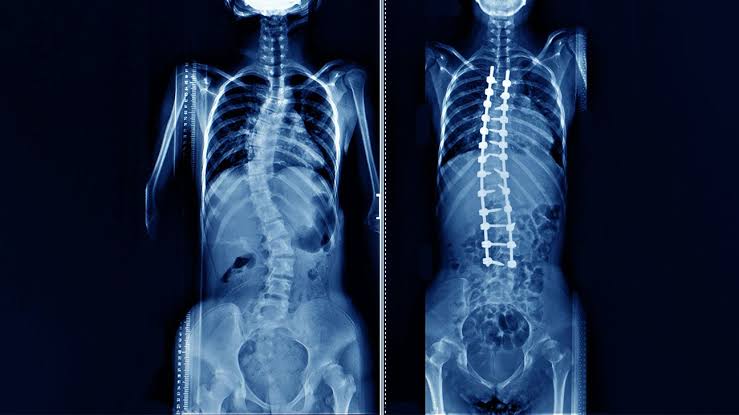
Spinal pain can affect almost every part of daily life, from sitting at work and walking to sleeping comfortably and performing routine activities. While many spine conditions improve with medicines, physiotherapy, lifestyle changes, and other non-surgical treatments, some patients continue to experience severe pain, weakness, numbness, or spinal instability despite these measures. In selected cases, a spine specialist may recommend spinal fusion surgery to improve spinal stability and reduce symptoms. Spinal fusion surgery is a procedure in which two or more vertebrae are surgically connected so that they heal together as one solid structure. Bone graft material is placed between the vertebrae, and screws, rods, plates, or other implants may be used to keep the spine stable while the fusion heals.
At Mediheal Hospital, the Spine Care Center provides diagnosis and treatment for a wide range of spinal conditions. The hospital lists spinal fusion, discectomy, laminectomy, foraminotomy, artificial disc replacement, endoscopic discectomy, vertebroplasty/kyphoplasty, and scoliosis surgery among its spine treatments. The approach is planned according to the patient’s condition, symptoms, and treatment requirements.
But an important question remains: when is spinal fusion surgery actually recommended? Not every person with back pain needs fusion. The decision depends on the underlying spinal problem, severity of symptoms, response to non-surgical treatment, imaging findings, overall health, and whether stabilizing the affected spinal segment is likely to improve the patient’s condition.
What Is Spinal Fusion Surgery?
Understanding spinal fusion
The spine is made up of individual bones called vertebrae. Between most vertebrae are soft discs that act as cushions and allow movement. When a spinal segment becomes damaged, unstable, deformed, or painful because of certain conditions, movement between the vertebrae may contribute to symptoms.
In spine fusion surgery, the surgeon joins two or more vertebrae together. Bone graft or a bone-like material is placed between the vertebrae, encouraging new bone to grow and eventually form a solid connection. Screws, rods, plates, cages, or other implants may be used to maintain alignment and stability while the bones heal. The objective is not simply to stop movement. The goal is to stabilize the affected part of the spine when abnormal movement, deformity, damage, or instability is contributing to the patient’s symptoms.
What is lumbar fusion?
Lumbar fusion is spinal fusion performed in the lower back. It may be recommended for selected patients with conditions affecting the lumbar spine, particularly when the affected spinal segment is unstable or when another procedure, such as removal of a damaged disc, needs additional stabilization.
There are different approaches to lumbar fusion, including ALIF, PLIF, and TLIF. The most appropriate technique depends on the location of the problem, spinal anatomy, previous treatment, overall health, and the surgeon’s assessment.
When Is Spinal Fusion Surgery Recommended?
Spinal instability
One of the important reasons for considering fusion is spinal instability. Normally, the vertebrae move in a controlled way. When excessive or abnormal movement develops between vertebrae, it may cause pain, deformity, or pressure on nearby nerves. Severe degeneration, certain injuries, fractures, or conditions such as spondylolisthesis can contribute to instability. In appropriate patients, fusion may help create a more stable spinal segment.
Spondylolisthesis
Spondylolisthesis occurs when one vertebra shifts forward or backward in relation to another. Depending on its severity and the symptoms it causes, it may lead to lower back pain, leg pain, numbness, weakness, or nerve compression. Treatment depends on the type and severity of the condition. Some patients respond well to non-surgical treatment, while others with persistent symptoms or instability may eventually require surgery. In selected cases, lumbar fusion may be used to stabilize the affected segment.
Severe degenerative disc disease
The discs between the vertebrae can gradually lose height, flexibility, and their ability to absorb stress. This process is commonly associated with age-related degeneration, although symptoms and severity vary considerably from person to person. Degenerative disc disease does not automatically mean that a patient needs spinal fusion. Surgery is considered only in selected situations when symptoms are significant, the underlying cause has been properly identified, and appropriate non-surgical treatments have not provided adequate relief. It is particularly important to establish that the painful spinal segment is actually responsible for the patient’s symptoms before considering fusion. The American Academy of Orthopaedic Surgeons notes that surgery for low back pain should be considered only after appropriate non-surgical treatments have been tried and when the specific cause of pain can be identified.
Spinal deformity
Some spinal deformities can affect alignment, balance, movement, and quality of life. Scoliosis, for example, causes abnormal curvature of the spine. Depending on the patient’s age, symptoms, curve characteristics, and progression, spinal fusion may be part of surgical treatment. The purpose may be to correct or control the deformity while creating a stable spinal alignment.
Spinal fractures and injuries
Certain spinal fractures or traumatic injuries can make the spine unstable. When conservative management is not appropriate or when the injury has resulted in significant instability, surgery may be considered. Spinal fusion can sometimes be performed along with other procedures to stabilize the injured spinal segment. The exact treatment depends on the location and severity of the fracture, neurological findings, spinal alignment, and overall patient condition.
Spinal stenosis with instability
Spinal stenosis occurs when there is narrowing around the spinal cord or nerves. It can cause symptoms such as back pain, leg pain, numbness, tingling, weakness, or difficulty walking. Many patients with spinal stenosis do not require fusion. Depending on the individual case, decompression may be enough. However, if there is significant instability or another condition requiring stabilization, a surgeon may recommend decompression together with fusion.
When another spinal procedure requires stabilization
Sometimes fusion is performed as part of a larger spine operation. For example, if damaged spinal structures need to be removed to relieve nerve compression, the remaining segment may require stabilization. The decision depends on what is causing the symptoms and whether removing or altering part of the spinal structure could affect stability.
Is Spinal Fusion the First Treatment for Back Pain?
Why surgery is not recommended for every patient
- Having chronic back pain does not automatically mean that a patient needs spinal fusion surgery. Many common causes of back pain can improve through non-surgical management.
- Depending on the diagnosis, treatment may include medicines, activity modification, physiotherapy, targeted exercises, injections, weight management, posture correction, and other approaches recommended by a healthcare professional.
- Fusion is generally considered when there is a specific structural problem for which stabilization is expected to provide meaningful benefit. Cleveland Clinic notes that spinal fusion is commonly reserved for situations where other treatments have not worked or when the spinal condition is more severe.
Why an accurate diagnosis matters
Back pain can have many causes. Muscle strain, disc problems, arthritis, nerve compression, spinal instability, and other conditions can produce similar symptoms. For this reason, a spine specialist may evaluate your medical history, symptoms, physical examination, neurological findings, and imaging such as X-rays, MRI, or CT scans. The objective is to determine whether the symptoms are coming from the spine and whether fusion is an appropriate treatment.
How Is Spinal Fusion Surgery Performed?
Preparing for the procedure
Before surgery, the spine specialist reviews the patient’s medical history, current medicines, imaging reports, and overall health. Patients may be advised to stop or adjust certain medicines before surgery, depending on their individual situation. The surgical approach depends on the spinal level and the condition being treated. Spinal fusion can be performed through different approaches, and the surgeon selects the technique based on the patient’s anatomy and treatment needs.
During spinal fusion surgery
Under general anesthesia, the surgeon accesses the affected part of the spine. The damaged disc or other structures may be addressed if required. Bone graft material is then positioned between the vertebrae that need to fuse. Specialized implants such as screws and rods may be used to maintain alignment and provide stability while new bone develops. Over time, the bone graft helps the vertebrae heal together into a solid unit. The exact procedure varies from patient to patient. A spinal fusion surgery may therefore look different depending on whether the problem is in the cervical, thoracic, or lumbar spine and whether decompression or another procedure is also required.
What Is Spinal Fusion Recovery Like?
The early recovery period
- Recovery after spinal fusion is gradual. Immediately after surgery, patients may experience soreness or discomfort around the surgical area. Pain medicines and appropriate hospital care are used to help manage these symptoms.
- The length of hospital stay depends on the type and extent of surgery and the patient’s overall condition. Some patients may stay in the hospital for a few days.
- Early movement is generally introduced according to the surgeon’s instructions. Patients may be guided on how to sit, stand, walk, and move safely without putting unnecessary stress on the healing spine.
Physical therapy after spinal fusion
- Spinal fusion recovery does not end when the patient leaves the hospital. Rehabilitation can be an important part of recovery.
- A physiotherapist may teach appropriate exercises and movement techniques to gradually improve strength, mobility, posture, and confidence. The timing and type of exercises should be individualized because the spine needs time to heal.
- Patients should not begin heavy exercise, bending, twisting, or lifting without medical clearance. Following the surgeon’s activity restrictions can help protect the healing fusion.
How long does spinal fusion recovery take?
- Recovery time varies depending on the patient’s age, general health, spinal condition, number of vertebrae fused, surgical technique, and other factors.
- Some daily activities may gradually resume within weeks, but complete recovery and bone fusion can take several months. In some types of lumbar fusion, complete bone healing may take considerably longer.
- It is therefore important to understand that feeling better does not necessarily mean that the fusion has completely healed. Follow-up appointments allow the surgeon to monitor recovery and determine when it is safe to increase activity.
What Are the Benefits of Spinal Fusion Surgery?
Improved spinal stability
One of the main goals of fusion is to stabilize an abnormal or unstable spinal segment. Stabilization may reduce symptoms associated with excessive movement and may help restore functional stability.
Relief from nerve-related symptoms
When fusion is combined with decompression, the surgery may help address pressure affecting spinal nerves. Depending on the underlying condition, patients may experience improvement in symptoms such as radiating pain, numbness, or weakness. However, the outcome depends strongly on the cause and severity of the condition. Surgery is not a guarantee that every symptom will disappear.
Improved mobility and quality of life
For appropriately selected patients, successful treatment can make everyday activities easier. Reducing pain and improving spinal stability may help patients return to walking, working, and other activities. The purpose of surgery should always be discussed in terms of realistic individual goals rather than assuming that fusion will completely eliminate every episode of back pain.
What Are the Risks of Spinal Fusion Surgery?
Possible complications
Like any major surgery, spinal fusion has potential risks. These can include infection, bleeding, blood clots, wound-healing problems, nerve or blood-vessel injury, pain around a bone-graft site, and persistence or recurrence of symptoms. There can also be risks related to the implants or failure of the vertebrae to fuse as expected. In some patients, additional surgery may be required in the future.
Changes in spinal movement
Because fused vertebrae no longer move normally against each other, patients may notice some reduction in flexibility around the fused area. The effect depends on how many spinal levels are fused and where they are located. The areas next to the fusion may also experience additional mechanical stress over time. This does not mean that every patient will develop another problem, but it is one of the long-term considerations that should be discussed with the spine surgeon.
How Can You Prepare for Spinal Fusion Surgery?
Follow your surgeon’s instructions
Good preparation can support a smoother recovery. Patients should provide their healthcare team with a complete list of medicines, supplements, allergies, and existing medical conditions. Your surgeon may provide instructions regarding eating, drinking, medicines, activity, smoking, and preparation of the surgical area.
Plan your recovery at home
Before surgery, it can be helpful to arrange assistance with household activities, transportation, meals, and other tasks during the initial recovery period.
Your home environment should allow you to move safely without frequent bending, climbing, or lifting. The exact restrictions should always come from your treating team.
When Should You Consult a Spine Specialist?
Persistent back or neck pain
If back or neck pain continues despite appropriate treatment, it may be useful to undergo a specialist evaluation. Persistent pain does not necessarily mean that surgery is required, but identifying the actual cause can help determine the most appropriate treatment.
Numbness, weakness, or radiating pain
Pain that travels into the arm or leg, persistent numbness, tingling, or weakness may indicate nerve involvement. These symptoms deserve medical evaluation, particularly when they are worsening or affecting walking and daily activities.
Difficulty walking or maintaining balance
Changes in walking ability, balance, or strength can sometimes indicate more significant nerve or spinal cord involvement. Prompt medical assessment is important when these symptoms appear or worsen.
Symptoms following an injury
Severe back or neck pain after a fall, accident, or other trauma should be evaluated by a healthcare professional, particularly when accompanied by weakness, numbness, difficulty walking, or changes in bladder or bowel function.
Frequently Asked Questions About Spinal Fusion Surgery
Is spinal fusion surgery always necessary for back pain?
No. Most people with back pain do not automatically need spinal fusion. Surgery is considered when there is a specific spinal problem that is likely to benefit from stabilization and when appropriate non-surgical treatment has not provided adequate relief.
How do I know if I need spinal fusion surgery?
A spine specialist needs to assess your symptoms, physical examination, medical history, and imaging. The decision depends on the underlying diagnosis, spinal stability, severity of symptoms, and response to other treatments.
What is the difference between spinal fusion and lumbar fusion?
Spinal fusion is a general term for joining two or more vertebrae. Lumbar fusion specifically refers to fusion performed in the lower back or lumbar region.
How long does spinal fusion recovery take?
Recovery varies from person to person. Many patients gradually return to routine activities over several weeks, while bone healing and complete fusion can take several months or longer. Your surgeon will provide an individualized recovery plan.
Can I bend after spinal fusion surgery?
Bending and twisting are commonly restricted during the early recovery period. The exact restrictions depend on the procedure and your healing progress. Do not resume bending, lifting, or strenuous activity until your surgeon gives you clearance.
Is spinal fusion surgery painful?
Some pain and discomfort are expected after surgery, especially during the early recovery period. Pain-management medicines and rehabilitation are used to help patients recover comfortably. Persistent or severe worsening pain should be discussed with the treating team.
Can spinal fusion cure back pain permanently?
Spinal fusion can provide significant improvement for appropriately selected patients, but it is not a guaranteed permanent cure for every type of back pain. Outcomes depend on the underlying condition and other individual factors. Fusion does not eliminate all possible future causes of back pain.
Is spinal fusion safe?
Spinal fusion is performed routinely for appropriate spinal conditions, but it is still major surgery and has potential risks. Your surgeon should explain the expected benefits, alternatives, and individual risks before treatment.
When should I seek urgent medical attention after spinal fusion?
Contact your healthcare team if you develop signs of infection such as increasing wound swelling, redness, drainage, or fever. New or worsening weakness, numbness, severe pain, or other significant neurological changes require prompt medical assessment.
Conclusion
Spinal fusion surgery can be an important treatment option for selected patients with spinal instability, certain degenerative conditions, spondylolisthesis, spinal deformity, fractures, or other structural problems. However, it is not a routine treatment for ordinary back pain. The most important step is identifying the exact cause of the symptoms and determining whether stabilizing the spine is likely to provide meaningful benefit.
Spinal fusion recovery requires patience, appropriate activity restrictions, follow-up care, and, when advised, physiotherapy. Although recovery can take several months, carefully selected patients may experience improved stability, reduced symptoms, and better ability to perform daily activities.
At Mediheal Hospital, the Spine Care Center provides evaluation and treatment for a range of spinal conditions, including spinal fusion and other surgical and minimally invasive spine procedures. Treatment is planned according to the patient’s condition and individual requirements.
If persistent back pain, radiating leg pain, numbness, weakness, or suspected spinal instability is affecting your daily life, consult a qualified spine specialist for an accurate diagnosis and personalized treatment plan. Spinal fusion should be recommended only when the expected benefits outweigh the risks and when it is appropriate for the specific spinal condition.