
Vertebral Compression Fracture: Treatment Options Explained
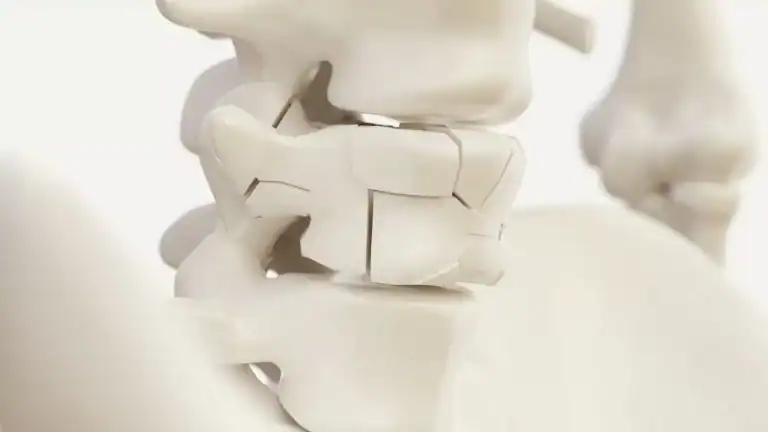
A vertebral compression fracture is a type of spinal fracture in which one of the vertebrae becomes weakened, compressed, or partially collapsed. It commonly affects the middle or lower spine and may develop because of osteoporosis, a fall or accident, or a condition that weakens the bone. In some people, the fracture causes sudden and severe back pain, while others may have only mild discomfort or no obvious symptoms initially. The right vertebral compression fracture treatment depends on the cause, location and severity of the fracture, the amount of vertebral collapse, the patient’s symptoms, bone health, and whether nerves or the spinal cord are affected. Treatment may range from pain management, activity modification, bracing and rehabilitation to minimally invasive procedures such as vertebroplasty or kyphoplasty. More complex fractures may require spinal surgery. At Mediheal Hospital, patients with suspected spinal compression fracture can undergo appropriate clinical and imaging evaluation so that treatment can be planned according to the individual condition rather than using the same approach for every fracture.
What Is a Vertebral Compression Fracture?
- The spine is made up of a series of bones called vertebrae. Each vertebra helps support the body, protects the spinal cord and allows the spine to move. A vertebral compression fracture occurs when the vertebral body becomes compressed and loses some of its normal height or shape.
- A collapsed vertebra can develop gradually, particularly when the bones have become weak due to osteoporosis. It can also happen suddenly following a fall, road accident or other trauma. Less commonly, cancer or other conditions affecting the vertebra can weaken the bone and contribute to a pathological fracture.
- A compression fracture is different from every other type of spinal fracture. Some fractures remain stable and can be managed without surgery, while unstable fractures or fractures associated with neurological problems may require urgent specialist treatment. Therefore, proper diagnosis is an important first step.
What Causes a Vertebral Compression Fracture?
Osteoporosis and weakened bones
Osteoporosis is one of the most common causes of vertebral compression fractures. When bone density and strength decrease, even normal daily activities or minor movements can sometimes cause a vertebra to fracture. A person may not always remember a specific injury. For people with osteoporosis, treating the fracture alone is not enough. The underlying bone weakness also needs attention because osteoporosis can increase the risk of additional fractures. Bone-health assessment and appropriate osteoporosis treatment may therefore form an important part of long-term management.
Trauma and accidents
A fall, road traffic accident or other significant impact can cause a vertebral fracture even when the bones are otherwise healthy. The treatment depends on the fracture pattern, stability, vertebral height loss and whether there is any injury to the spinal cord or nerves.
Tumours and other conditions
A vertebra may also become weak because of conditions such as metastatic cancer or multiple myeloma. In these situations, treatment needs to address both the fracture and the underlying disease. Imaging and additional investigations may be necessary to determine the cause.
Symptoms of a Vertebral Compression Fracture
The symptoms can vary considerably from person to person. Some fractures are discovered incidentally during imaging, while others cause significant pain. Common symptoms may include sudden or persistent back pain, pain that becomes worse with standing or walking, tenderness over the affected area, difficulty changing position and reduced mobility. Multiple or untreated compression fractures may contribute to loss of height and a forward-curved posture called kyphosis. If a fracture or associated condition affects nearby nerves or the spinal cord, symptoms such as numbness, tingling, weakness, difficulty walking or changes in bladder or bowel control can occur. These symptoms require prompt medical assessment.
How Is a Spinal Compression Fracture Diagnosed?
Diagnosis begins with a detailed medical history and physical examination. The doctor may ask about the onset of pain, recent falls or accidents, previous fractures, osteoporosis, cancer history and other medical conditions.
X-ray examination
Spinal X-rays can show changes in vertebral shape and height and may identify a compression fracture. They are often an important first imaging test when a fracture is suspected.
CT scan
A CT scan can provide more detailed information about the bony anatomy and fracture pattern. It can be particularly useful when there has been significant trauma or when the exact structure of the fracture needs to be assessed.
MRI scan
MRI can provide information about the vertebra, spinal cord, nerves and surrounding soft tissues. It may be recommended when there is concern about nerve involvement, an acute fracture that needs further evaluation, or a possible tumour or other underlying condition.
Bone density assessment
If osteoporosis is suspected, a bone density test such as a DEXA scan may be recommended. Identifying osteoporosis is important because treating low bone density can help reduce the risk of future fractures.
Vertebral Compression Fracture Treatment Options
There is no single treatment that is appropriate for every patient. A doctor considers the cause of the fracture, severity of pain, fracture stability, imaging findings, neurological symptoms and response to initial treatment before recommending a specific approach.
Conservative Treatment for Vertebral Compression Fracture
Many vertebral compression fractures can initially be treated without surgery. Conservative management focuses on controlling pain, maintaining safe mobility and allowing the fracture to heal. Most people with spinal compression fractures improve with non-surgical treatment, although the recovery period can vary.
Pain management
Pain medicines may be prescribed according to the patient’s condition and other medical factors. The goal is to control pain sufficiently to allow safe movement and gradual return to normal activities. Patients should not self-medicate for prolonged periods, particularly older adults or people taking medicines for other conditions. A doctor should determine the appropriate medication and dosage.
Activity modification
During the early stage, activities that increase pain or put excessive stress on the spine may need to be limited. However, prolonged complete bed rest is not appropriate for everyone. Safe movement and gradual rehabilitation are generally important to prevent loss of strength and mobility.
Back brace
In selected patients, a spinal brace may be recommended to support the affected area and reduce painful movement. The type and duration of bracing should be decided by the treating doctor because prolonged or inappropriate brace use may have disadvantages.
Physiotherapy and rehabilitation
Once the acute pain is controlled and the fracture is considered stable, a structured rehabilitation programme may help improve movement, strength and functional ability. Rehabilitation should be individualised and should not include exercises that could place excessive stress on the healing vertebra.
Medicines for Osteoporosis
When osteoporosis contributes to a vertebral compression fracture, treating the underlying bone weakness becomes an important part of long-term care.
Depending on the individual’s bone density, fracture history and overall health, a doctor may recommend medicines for osteoporosis along with adequate calcium and vitamin D intake where appropriate. The purpose is to reduce bone loss and lower the risk of future fractures. Simply treating the pain from the existing fracture does not correct the underlying osteoporosis. A complete treatment plan should therefore consider both the current fracture and future fracture prevention.
When Is Surgery or a Minimally Invasive Procedure Considered?
Most patients do not automatically require surgery. However, a procedure may be considered when pain remains severe or disabling despite appropriate conservative treatment, or when the characteristics of the fracture make an intervention appropriate. Current guidance recognises vertebral augmentation procedures such as vertebroplasty and kyphoplasty as treatment options for selected symptomatic vertebral compression fractures. The decision should be based on clinical and imaging findings rather than the presence of a fracture alone.
Kyphoplasty for Vertebral Compression Fracture
Kyphoplasty is a minimally invasive procedure used for selected painful vertebral compression fractures. It is sometimes called balloon kyphoplasty.
During the procedure, the surgeon uses imaging guidance to place a small instrument into the affected vertebra. A balloon-like device is then introduced and inflated within the compressed vertebral body. This creates a cavity where specially formulated bone cement can subsequently be placed to stabilise the vertebra. The procedure is intended to stabilise the fractured vertebra and may help reduce fracture-related pain. In selected cases, it can also help restore some vertebral body height, although restoration of vertebral height does not necessarily translate into additional pain relief for every patient.
Who may benefit from kyphoplasty?
Kyphoplasty may be considered for carefully selected patients who have a painful vertebral compression fracture that has been confirmed on imaging and whose symptoms are not adequately controlled with conservative treatment. The decision depends on factors such as the age and characteristics of the fracture, severity and source of pain, degree of collapse, bone health and overall medical condition. Kyphoplasty is not automatically required for every collapsed vertebra. A spine specialist should determine whether the fracture is actually responsible for the patient’s pain and whether the expected benefits outweigh the potential risks.
Vertebroplasty vs Kyphoplasty
Both procedures involve stabilising a fractured vertebra with bone cement, but their techniques are different. In vertebroplasty, bone cement is injected directly into the fractured vertebral body. In kyphoplasty, a balloon is first used to create a cavity before the cement is inserted. The balloon may also help restore some vertebral body height in appropriate cases. The choice between vertebroplasty, kyphoplasty, conservative treatment or another form of spine surgery depends on the individual fracture and the patient’s clinical condition. There is no universally appropriate procedure for every patient.
What Happens During Kyphoplasty?
- Before the procedure, the medical team reviews the patient’s imaging, medical history, medicines and overall health. Appropriate imaging is important to confirm that the fracture is responsible for the symptoms and to plan the procedure.
- During kyphoplasty, the patient is positioned so that the surgeon can access the affected vertebra. Using imaging guidance, a needle-like instrument is placed through the skin into the fractured vertebra. A balloon is introduced and inflated to create a space, after which bone cement is carefully placed into the cavity.
- Kyphoplasty is minimally invasive, but it is still a medical procedure with potential risks. These may include bleeding, infection, nerve-related complications and leakage of bone cement. The risk profile varies according to the patient’s condition and the underlying cause of the fracture.
Recovery After Vertebral Compression Fracture Treatment
- Recovery depends on the fracture type, treatment method, age, bone health and general medical condition.
- Patients receiving conservative treatment may gradually increase activity as pain improves and according to medical advice. Physiotherapy may be introduced to improve strength, balance and safe movement.
- After kyphoplasty or vertebroplasty, the treating team provides individual instructions regarding activity, wound care, medicines and follow-up. Although these procedures are minimally invasive, patients should not assume that immediate pain improvement means the spine is ready for unrestricted heavy lifting or strenuous activity.
- For patients with osteoporosis, follow-up should also address bone health because stabilising one fracture does not eliminate the risk of another fracture.
Why Early Evaluation Matters
Ignoring persistent back pain after a fall or assuming that severe back pain is simply due to ageing can delay diagnosis of a vertebral fracture. A compression fracture may also be the first indication that a person has osteoporosis.
Early evaluation can help identify the fracture, determine its cause and assess whether there is any involvement of the nerves or spinal cord. It also provides an opportunity to begin appropriate pain management, rehabilitation and osteoporosis treatment when required. If back pain is accompanied by new weakness, numbness, difficulty walking or loss of bladder or bowel control, prompt medical attention is particularly important.
Preventing Future Vertebral Compression Fractures
Preventing another fracture is an important part of long-term care, especially when osteoporosis is involved. A doctor may recommend bone-density assessment, appropriate osteoporosis medication, adequate nutrition and exercises suitable for the patient’s condition. Fall prevention is also important, particularly for older adults. Regular, safe physical activity can help maintain muscle strength and balance, while appropriate weight-bearing and resistance exercises may support bone health. However, exercise programmes should be adapted to the individual’s fracture status and medical condition.
When Should You See a Spine Specialist?
You should consider a medical evaluation if you develop sudden or persistent back pain following a fall, accident or other injury, particularly if the pain is severe or limits normal movement. Evaluation is also important for unexplained back pain in people who have osteoporosis or other conditions that can weaken bones. New numbness, weakness, difficulty walking or bladder and bowel changes require prompt assessment because they may indicate neurological involvement. At Mediheal Hospital, a spine specialist can evaluate symptoms and imaging findings to determine whether conservative management, rehabilitation, vertebral augmentation or another treatment approach is appropriate.
Frequently Asked Questions About Vertebral Compression Fracture Treatment
What is the best treatment for a vertebral compression fracture?
There is no single treatment that is best for every patient. Many fractures initially improve with conservative treatment such as pain management, activity modification, appropriate bracing and rehabilitation. For selected patients with persistent severe symptoms, procedures such as kyphoplasty or vertebroplasty may be considered.
Can a collapsed vertebra heal without surgery?
Yes. Many stable vertebral compression fractures can be managed without surgery and gradually become less painful as they heal. However, the vertebra may not completely return to its original shape. The appropriate treatment depends on the cause and severity of the fracture.
How long does a spinal compression fracture take to heal?
Recovery varies from person to person. Many compression fractures improve over several weeks to a few months, depending on the severity of the fracture, underlying bone health and treatment. Persistent or worsening pain should be evaluated rather than simply waiting for it to resolve.
Is kyphoplasty suitable for every spinal compression fracture?
No. Kyphoplasty is considered only for selected patients. The doctor needs to confirm the fracture, establish that it is responsible for the symptoms and assess whether the procedure is appropriate based on imaging and the patient’s overall health.
What is the difference between kyphoplasty and vertebroplasty?
Both procedures use bone cement to stabilise a fractured vertebra. Vertebroplasty involves direct cement injection, whereas kyphoplasty uses a balloon to create a cavity before cement placement. Kyphoplasty may also help restore some vertebral height in selected cases.
Can osteoporosis cause a vertebral compression fracture?
Yes. Osteoporosis weakens the bones and is a common cause of vertebral compression fractures. Sometimes a fracture can occur after relatively minor stress or without a clearly remembered injury.
Is vertebral compression fracture treatment always surgical?
No. Surgery is not automatically required. Conservative management is commonly used initially, while minimally invasive procedures or other surgery may be considered when symptoms, fracture characteristics or neurological findings indicate that an intervention is appropriate.
Can a vertebral compression fracture happen after an accident?
Yes. Significant trauma, such as a fall or road accident, can cause a spinal compression fracture. The treatment depends on the stability and pattern of the fracture and whether the spinal cord or nerves are affected.
Can a compression fracture cause a hunched back?
Multiple vertebral compression fractures or significant vertebral collapse can contribute to kyphosis, causing the upper back to become more rounded or hunched.
When should I seek urgent medical attention?
Seek prompt medical attention if back pain is accompanied by new weakness, numbness, difficulty walking, or loss of bladder or bowel control. These symptoms can indicate possible nerve or spinal cord involvement and should not be ignored.
Conclusion
A vertebral compression fracture can range from a relatively stable injury that improves with conservative care to a painful or complicated spinal fracture requiring specialised intervention. Identifying the cause is particularly important because osteoporosis, trauma and other underlying conditions require different management strategies. Vertebral compression fracture treatment may include pain management, activity modification, bracing, rehabilitation and treatment for osteoporosis. For selected patients with persistent fracture-related pain, minimally invasive procedures such as kyphoplasty or vertebroplasty may be considered. More complex or unstable fractures may require other forms of spinal surgery. If you are experiencing persistent back pain, have recently suffered a fall or accident, or have been diagnosed with a collapsed vertebra, consult a qualified spine specialist for an appropriate evaluation and personalised treatment plan. Mediheal Hospital provides evaluation and treatment for spine conditions based on the patient’s symptoms, imaging and individual medical needs.