
Oral Lesion Removal: When Is a Biopsy or Surgery Needed?
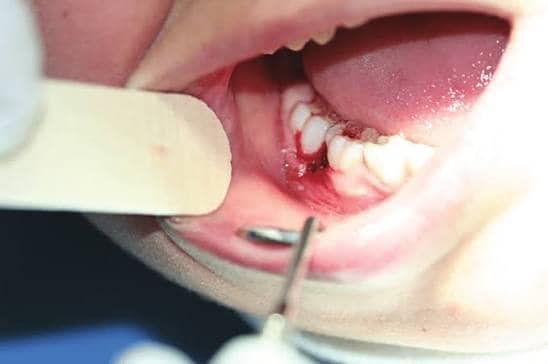
An unusual lump, persistent ulcer, white patch, red patch, or abnormal growth inside the mouth can be worrying. Some oral lesions are harmless and may heal on their own, while others require medical evaluation, an oral biopsy, or oral lesion removal. Understanding the cause of a mouth lesion is important because early diagnosis can help identify the right treatment and rule out potentially serious conditions.
At Mediheal Hospital, patients can seek professional evaluation for oral and maxillofacial conditions, including abnormal mouth growths, persistent oral sores, and lesions that may require surgical treatment. The appropriate approach depends on the lesion’s size, location, appearance, duration, and suspected cause.
If you have noticed a mouth lesion that is not healing, keeps returning, bleeds unexpectedly, or gradually increases in size, do not ignore it. This guide explains what oral lesions are, when a biopsy or surgery may be needed, how oral lesion removal is performed, and what patients can expect during recovery.
What Is an Oral Lesion?
An oral lesion is an abnormal change affecting the tissues inside or around the mouth. It may appear on the tongue, inner cheeks, gums, lips, roof of the mouth, or floor of the mouth. Oral lesions can develop as ulcers, lumps, swellings, patches, cysts, or other unusual changes in the oral tissues.
Not every oral lesion is dangerous. Some develop because of accidental biting, irritation from a sharp tooth, poorly fitting dentures, infections, or inflammation. Others may be associated with tobacco use, chronic irritation, immune-related conditions, or changes in the oral tissues that require further investigation.
The term oral lesion describes an abnormal area rather than a specific diagnosis. A clinical examination helps determine whether the problem can be managed conservatively or whether further testing, such as an oral biopsy, is necessary.
Common Types of Mouth Lesions
Mouth Ulcers and Persistent Sores
Mouth ulcers are painful sores that can develop on the tongue, gums, cheeks, or lips. Minor ulcers often heal without surgery. However, an ulcer that persists, repeatedly appears in the same location, or has an unusual appearance should be examined by a dental or medical professional.
A persistent mouth ulcer may require further investigation to identify its underlying cause and determine whether a biopsy is appropriate.
White or Red Patches Inside the Mouth
White or red patches can occur because of irritation, inflammation, infection, or other changes in the oral lining. Some patches may represent potentially precancerous conditions, so they should not automatically be considered harmless.
If a patch does not disappear after the suspected cause has been addressed, or if it looks suspicious during examination, a specialist may recommend an oral biopsy to establish the diagnosis.
Abnormal Mouth Growths and Lumps
An abnormal mouth growth may appear as a small bump on the gums, tongue, inner cheek, or other oral tissues. Some growths are non-cancerous, such as certain fibrous growths or irritation-related lumps. Others may be cysts or lesions associated with the teeth and surrounding tissues.
Depending on its appearance, location, and diagnosis, an abnormal mouth growth may require observation, additional testing, or surgical removal.
Oral Cysts and Other Tissue Changes
Oral cysts can develop in the jaw, gums, or soft tissues of the mouth. Some are associated with teeth, while others originate in the surrounding tissues. Their management depends on the type, size, location, and potential effect on nearby structures.
A specialist may recommend imaging, biopsy, or surgical removal when necessary.
What Causes Oral Lesions?
Oral lesions can develop for several reasons, and identifying the underlying cause is an important part of treatment planning.
Common causes include accidental biting, burns from hot food, irritation from sharp teeth, friction caused by dentures, viral or fungal infections, and inflammatory conditions. Some lesions may also develop around teeth or following dental procedures.
Lifestyle factors are important as well. Tobacco use, including smoking and chewing tobacco, and frequent alcohol consumption are associated with increased oral cancer risk. Persistent red or white patches and unexplained growths deserve particular attention in people with these risk factors.
In some cases, the cause is not immediately clear. A clinician may need to assess the lesion over time or recommend an oral biopsy rather than assume that it is harmless.
When Should You Seek Medical Attention for a Mouth Lesion?
Many minor mouth sores improve within a short period. However, a lesion that persists for more than two to three weeks should be assessed by a qualified professional, particularly if its cause is unclear.
You should arrange an evaluation if you notice a persistent ulcer, a lump that is growing, a red or white patch that does not disappear, unexplained bleeding, numbness, or ongoing pain in the mouth.
Difficulty chewing, swallowing, or moving the tongue or jaw also requires medical assessment. A lump in the neck, unexplained swelling, or a change in voice alongside an oral lesion should not be ignored.
These symptoms do not necessarily mean that you have oral cancer. They can occur with several conditions. Nevertheless, timely evaluation helps identify the cause and prevents important warning signs from being overlooked.
Oral Lesion Removal: When Is Surgery Needed?
Oral lesion removal is a procedure in which an abnormal area of tissue is removed partially or completely, depending on the clinical findings and treatment goals. It may be recommended when a lesion causes discomfort, repeatedly becomes irritated, interferes with normal oral function, continues to grow, or requires a definite diagnosis.
The decision to perform oral surgery depends on the nature of the lesion rather than its appearance alone. Some lesions can be managed without surgery, while others need removal to establish a diagnosis or treat the underlying condition.
Removal of Persistent or Repeatedly Irritated Lesions
A benign lesion may still require removal if it repeatedly gets bitten, bleeds, becomes inflamed, or interferes with eating and speaking. A fibrous growth caused by chronic irritation, for example, may be considered for excision after the source of irritation has been addressed.
Removing the lesion may improve comfort and allow the tissue to be examined under a microscope when indicated.
Removal of Cysts and Other Abnormal Growths
Some oral cysts and growths may need surgical treatment because of their size, location, symptoms, or potential to affect nearby teeth and tissues. The procedure may involve removing the lesion and, when appropriate, submitting the tissue for laboratory examination.
The treatment plan depends on the specific diagnosis and whether surrounding structures are involved.
Removal of Lesions That May Be Precancerous or Cancerous
Certain oral lesions can be associated with potentially malignant changes. If a lesion appears suspicious, a specialist may recommend a biopsy promptly rather than simply observing it.
If testing confirms a precancerous condition or oral cancer, additional treatment may be required. The plan depends on the diagnosis, the extent of the affected tissue, and other clinical factors. Surgical removal may be part of treatment, but not every suspicious lesion requires the same procedure.
Oral Biopsy: Why Is It Important?
An oral biopsy is a medical procedure in which a small sample of tissue, or sometimes the entire lesion, is removed for laboratory examination. A pathologist studies the sample under a microscope to identify the type of tissue change present.
Biopsy is particularly important when a mouth lesion has an uncertain diagnosis, does not heal, appears suspicious, or cannot be confidently identified through examination alone.
According to the American Dental Association, biopsy remains the preferred method for establishing a definitive diagnosis of oral potentially malignant disorders and oral cancer. A visual examination is an important first step, but it cannot reliably confirm the nature of every abnormal lesion.
Incisional Biopsy
During an incisional biopsy, only a portion of the lesion is removed. This approach may be used when a growth is large, when complete removal would be extensive, or when the clinician needs a diagnosis before planning definitive treatment.
The laboratory findings help guide the next steps.
Excisional Biopsy
During an excisional biopsy, the entire lesion is removed when clinically appropriate. This may be suitable for selected small lesions that can be safely removed in one procedure.
The removed tissue is generally sent for histopathological examination so that the diagnosis can be confirmed.
What Is the Difference Between an Oral Biopsy and Oral Lesion Removal?
The main difference is the purpose of the procedure. An oral biopsy focuses on obtaining tissue to establish a diagnosis. Oral lesion removal focuses on removing the abnormal tissue, although the same procedure can achieve both goals.
For example, a small lesion may be removed completely and then examined in the laboratory. A larger or suspicious growth may first undergo an incisional biopsy before the specialist determines the appropriate treatment.
Your clinician will recommend the most suitable approach based on the examination findings.
How Is Oral Lesion Removal Performed?
The exact procedure depends on the lesion’s location, size, suspected diagnosis, and relationship to surrounding structures. Many minor oral procedures can be performed under local anaesthesia, while more complex cases may require additional planning or general anaesthesia.
Step 1: Clinical Examination
The specialist examines the lesion and asks about when it appeared, whether it has changed, whether it causes pain or bleeding, and whether similar problems have occurred previously. Your medical history, medication use, tobacco exposure, and relevant dental history may also be reviewed.
Step 2: Investigations and Treatment Planning
Depending on the findings, the clinician may recommend imaging, an oral biopsy, or referral for specialist assessment. Imaging can be useful for certain lesions involving the jaw or deeper tissues, but it does not replace histopathological examination when a tissue diagnosis is needed.
The specialist explains the proposed procedure, expected benefits, possible risks, and recovery instructions.
Step 3: Anaesthesia and Removal
For many small lesions, local anaesthesia numbs the area so that the procedure can be performed with minimal discomfort. The clinician then removes the planned portion or the entire lesion using an appropriate surgical technique.
Stitches may be required, depending on the location and size of the wound.
Step 4: Laboratory Examination
When a biopsy is performed or removed tissue requires diagnosis, the sample is sent to a laboratory for histopathological analysis. The report helps establish the nature of the lesion and whether further treatment is necessary.
Step 5: Follow-Up Care
A follow-up appointment allows the clinician to assess healing, review the pathology report, and discuss any additional treatment or monitoring. Attending follow-up appointments is important even when the lesion appears to have healed completely.
Is Oral Lesion Removal Painful?
Most minor oral lesion removal procedures are performed using local anaesthesia, which numbs the treatment area. Patients may feel pressure or movement during the procedure, but significant pain should be addressed by the treating clinician.
Some tenderness, swelling, or mild discomfort can occur after the anaesthetic wears off. These symptoms usually improve as healing progresses, although recovery varies according to the type and extent of surgery.
Your clinician may recommend suitable pain relief and provide instructions for oral hygiene, eating, and wound care. Follow these instructions rather than taking additional medication without checking whether it is appropriate for you.
Recovery After Oral Lesion Removal
Recovery depends on the size and location of the lesion, the type of procedure, and the individual’s overall health. Smaller procedures often heal relatively quickly, while more extensive oral surgery may require a longer recovery period.
Foods and Drinks After Surgery
Soft, easy-to-chew foods may be more comfortable during the initial recovery period. Examples include soft rice, khichdi, mashed vegetables, yoghurt, and other foods that do not irritate the wound.
Avoid very hot, spicy, hard, or sharp foods until the area has healed sufficiently. Drink enough water and follow any specific dietary advice provided by your treating team.
Oral Hygiene and Wound Care
Maintaining oral hygiene helps support healing, but the operated area should be treated gently. Brush carefully around the wound and follow the clinician’s instructions regarding rinsing, prescribed mouthwash, and cleaning.
Avoid smoking and tobacco during recovery. These habits can interfere with healing and also increase the risk of oral disease.
When to Contact Your Doctor
Contact your treating clinician if pain or swelling is worsening rather than improving, you develop a fever, there is pus or another sign of infection, or bleeding continues despite following the instructions you were given.
Heavy bleeding, difficulty breathing, or rapidly increasing swelling that affects swallowing requires urgent medical attention.
Can an Oral Lesion Be Cancerous?
Yes, some oral lesions can be cancerous or show changes that may increase the risk of developing cancer. However, most lumps, ulcers, and patches cannot be classified accurately by appearance alone.
Warning signs can include a sore that does not heal, a persistent lump or thickened area, unexplained red or white patches, bleeding, numbness, or difficulty chewing and swallowing.
Risk factors include tobacco use, chewing tobacco, and alcohol consumption. However, oral cancer can also occur in people without these risk factors.
A clinical examination and, when indicated, an oral biopsy are important for establishing the diagnosis. Do not assume that a painless lesion is harmless or that every abnormal growth is cancerous. Professional assessment is the safest way to determine what is happening.
How Can You Reduce the Risk of Oral Lesions?
Good oral hygiene, routine dental examinations, and avoiding tobacco are important steps in maintaining oral health. Limiting alcohol consumption and addressing sources of repeated irritation, such as sharp teeth or poorly fitting dentures, may also help reduce certain risks.
Pay attention to changes in the tongue, gums, cheeks, lips, and roof of the mouth. If you notice a new patch, ulcer, or lump, keep track of when it appeared and whether it is changing. Photographs may help you describe changes to your clinician, but they should not replace an examination.
Most importantly, do not repeatedly apply home remedies to an unexplained lesion or delay evaluation because it is painless. Persistent or suspicious changes need appropriate professional assessment.
Why Choose Specialist Evaluation at Mediheal Hospital?
Oral lesions can have different causes and may require different approaches to diagnosis and treatment. Specialist evaluation helps determine whether a lesion can be monitored, needs a biopsy, or requires oral lesion removal.
Mediheal Hospital’s Oral Maxillofacial and Head & Neck Surgery services are relevant to patients seeking assessment of abnormal oral growths and other conditions affecting the mouth and surrounding structures.
During a consultation, the treating team can evaluate your symptoms, review relevant medical history, and advise whether further investigations or surgical treatment may be appropriate. When a biopsy is indicated, the tissue findings help guide the next stage of care.
If you have a persistent mouth ulcer, unexplained oral lump, or abnormal patch inside your mouth, arrange a professional evaluation instead of waiting for it to worsen. Early assessment can help clarify the diagnosis and support timely, appropriate treatment.
Frequently Asked Questions About Oral Lesion Removal
1. What is oral lesion removal?
Oral lesion removal is a procedure used to remove abnormal tissue from areas such as the tongue, gums, inner cheeks, lips, or roof of the mouth. It may be recommended for symptomatic growths, selected cysts, persistent lesions, or tissue changes requiring diagnosis.
2. When is an oral biopsy necessary?
An oral biopsy may be necessary when a lesion has an uncertain diagnosis, does not heal, grows over time, appears suspicious, or has features that could indicate a potentially malignant condition. The decision is based on a professional examination and the patient’s clinical history.
3. How long should I wait before getting a mouth lesion checked?
A mouth lesion that persists for more than two to three weeks should be examined, particularly if it has no clear cause. Seek earlier assessment for a growing lump, unexplained bleeding, numbness, difficulty swallowing, or a suspicious red or white patch.
4. Is oral lesion removal a major surgery?
Not always. Many small lesions can be removed using a minor procedure under local anaesthesia. Larger, deeper, or more complex lesions may require a more extensive operation or additional investigations.
5. Does every mouth lesion need surgery?
No. Some lesions improve after the cause of irritation is addressed or with appropriate treatment for an underlying condition. Others require observation, biopsy, or surgical removal. The correct approach depends on the diagnosis and clinical findings.
6. Can an oral lesion return after removal?
Some lesions can recur, depending on their type, cause, and whether the underlying source of irritation or disease has been addressed. Follow-up appointments help monitor healing and identify any recurrence.
7. Will the removed lesion be tested for cancer?
When a biopsy is performed or tissue examination is indicated, the specimen is sent for histopathological assessment. The report helps determine whether the lesion is benign, precancerous, cancerous, or associated with another condition. Your clinician will explain the findings and whether further treatment is required.
8. How long does recovery take after oral lesion removal?
Recovery varies according to the size and location of the lesion and the extent of the procedure. Minor procedures may heal within a relatively short period, whereas larger operations can take longer. Follow your clinician’s wound-care and dietary instructions.
9. Is oral lesion removal possible under local anaesthesia?
Yes. Many minor oral lesion removal procedures can be performed under local anaesthesia. The choice of anaesthesia depends on the lesion, the planned procedure, and the patient’s clinical needs.
10. Which doctor should I consult for an abnormal mouth growth?
A dentist, oral medicine specialist, or oral and maxillofacial surgeon can assess an abnormal mouth growth and advise on further investigations. Lesions that may involve the head and neck or require specialised treatment may need referral to an appropriate specialist.
11. Can a painless mouth lump be serious?
Yes. Some significant oral conditions may cause little or no pain in their early stages. A persistent or enlarging lump should be assessed even if it does not hurt.
12. Where can I get an oral lesion evaluated?
You can explore Mediheal Hospital’s Oral Maxillofacial and Head & Neck Surgery services and contact the hospital to confirm consultation availability and the appropriate specialist for your condition.
Conclusion
Oral lesion removal may be recommended when an abnormal growth causes discomfort, persists despite appropriate care, affects normal oral function, or needs further investigation. An oral biopsy is especially important when the diagnosis is uncertain or the lesion has suspicious features.
Not every mouth lesion requires surgery, and not every abnormal growth is cancerous. However, persistent ulcers, unexplained lumps, and unusual red or white patches should never be ignored.
If you have noticed a mouth lesion that is not healing or is changing in appearance, seek a professional assessment. Mediheal Hospital’s Oral Maxillofacial and Head & Neck Surgery services can be a starting point for discussing appropriate evaluation and treatment options.