
Correcting Facial Asymmetry and Jaw Misalignment with Orthognathic Surgery
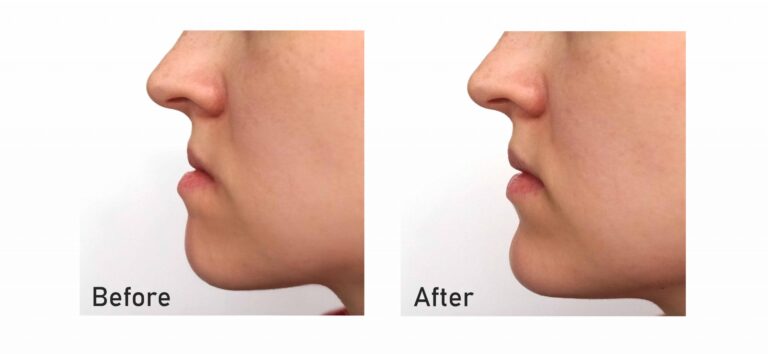
Facial harmony plays a significant role in both appearance and functionality. When the upper and lower jaws are not properly aligned, it can lead to facial asymmetry, difficulty chewing, speech problems, breathing issues, and even chronic jaw pain. Fortunately, advancements in modern oral and maxillofacial surgery have made it possible to correct these concerns effectively through orthognathic surgery.
At Mediheal Hospital, a trusted oral and maxillofacial surgery hospital, patients receive comprehensive care for complex jaw and facial conditions. Whether you are struggling with a misaligned bite, facial imbalance, or temporomandibular joint (TMJ) disorders, orthognathic surgery can provide life-changing functional and aesthetic improvements.
Understanding Facial Asymmetry and Jaw Misalignment
Facial asymmetry occurs when one side of the face differs noticeably from the other. While minor asymmetry is natural and common, significant imbalances may affect appearance, oral function, and overall confidence.
Jaw misalignment refers to improper positioning of the upper jaw (maxilla), lower jaw (mandible), or both. These conditions can develop due to genetic factors, developmental abnormalities, facial trauma, congenital defects, or previous jaw injuries.
Common signs of jaw misalignment include:
Difficulty biting or chewing food
Uneven facial appearance
Frequent jaw pain
Chronic headaches
Speech difficulties
Mouth breathing
Snoring or sleep apnea
Clicking or popping sounds in the jaw joints
Excessive wear on teeth
When these issues become severe, orthodontic treatment alone may not be enough, making orthognathic surgery a highly effective solution.
What Is Orthognathic Surgery?
Orthognathic surgery, commonly known as corrective jaw surgery, is a specialized procedure that repositions the jawbones to achieve proper alignment and balance. This surgery is performed by experienced oral and maxillofacial surgeons in collaboration with orthodontists.
The primary goal of orthognathic surgery is to improve both function and facial aesthetics. By correcting jaw positioning, patients can experience enhanced chewing ability, improved speech, better breathing, reduced jaw discomfort, and a more symmetrical facial appearance.
As a leading oral and maxillofacial surgery hospital, Mediheal Hospital offers advanced diagnostic tools, personalized treatment planning, and state-of-the-art surgical techniques to ensure optimal outcomes.
Conditions Treated with Orthognathic Surgery
Orthognathic surgery can address a wide range of jaw and facial conditions, including:
Severe Overbite
An overbite occurs when the upper teeth excessively overlap the lower teeth. Severe cases can affect chewing, speech, and facial balance.
Underbite
An underbite causes the lower jaw to protrude beyond the upper jaw, often resulting in difficulty biting and facial asymmetry.
Open Bite
Individuals with an open bite cannot fully close their front teeth when the mouth is shut, affecting eating and speech.
Crossbite
A crossbite occurs when some upper teeth sit inside the lower teeth, leading to uneven jaw growth and facial imbalance.
Facial Deformity Correction
Congenital conditions, developmental disorders, or facial injuries may create noticeable facial deformities. Orthognathic surgery plays a crucial role in facial deformity correction by restoring proper facial proportions and function.
Causes of Facial Asymmetry and Jaw Misalignment
Understanding the underlying cause helps determine the most effective treatment approach.
Genetic Factors
Many jaw alignment issues are inherited and become more noticeable during adolescence or adulthood.
Developmental Abnormalities
Uneven growth of the upper or lower jaw can result in significant facial imbalance over time.
Facial Trauma
Accidents, sports injuries, or fractures may alter jaw positioning and facial structure.
Congenital Conditions
Birth defects such as cleft lip and palate often require corrective jaw surgery as part of comprehensive treatment.
TMJ Disorders
Chronic dysfunction of the temporomandibular joint can contribute to asymmetrical jaw movements and discomfort.
The Link Between Jaw Misalignment and TMJ Disorders
The temporomandibular joint acts as a hinge connecting the jawbone to the skull. When the jaws are not properly aligned, excessive stress can be placed on these joints, resulting in TMJ disorders.
Many patients seeking TMJ pain treatment discover that their symptoms stem from underlying jaw misalignment.
Common TMJ symptoms include:
Jaw pain and tenderness
Clicking or popping sounds
Difficulty opening the mouth
Headaches and migraines
Ear pain
Neck and shoulder discomfort
For patients with severe skeletal discrepancies, orthognathic surgery may be an essential component of long-term TMJ pain treatment by correcting the root cause of joint stress.
How Orthognathic Surgery Improves Facial Symmetry
One of the most transformative benefits of orthognathic surgery is the improvement in facial symmetry.
When the jaws are repositioned into proper alignment, several aesthetic enhancements may occur:
Balanced facial proportions
Improved chin position
Better jawline definition
Enhanced facial profile
Improved smile aesthetics
Increased self-confidence
Unlike cosmetic procedures that address only surface-level concerns, orthognathic surgery corrects the underlying skeletal structure, creating natural and long-lasting results.
Jaw Reconstruction Surgery: Restoring Function and Appearance
In cases involving severe trauma, tumors, congenital abnormalities, or extensive bone loss, jaw reconstruction surgery may be necessary.
Jaw reconstruction surgery involves rebuilding or restoring portions of the jaw using advanced surgical techniques and, in some cases, bone grafts.
Patients who undergo jaw reconstruction surgery may benefit from:
Restored facial structure
Improved chewing and speaking abilities
Better oral health
Enhanced appearance
Improved quality of life
At Mediheal Hospital, specialized oral and maxillofacial surgeons perform complex jaw reconstruction surgery procedures using modern technologies and evidence-based treatment protocols.
The Orthognathic Surgery Process
Understanding the treatment journey can help patients feel more confident about their decision.
Initial Consultation and Assessment
The process begins with a comprehensive evaluation that includes:
Clinical examination
Facial analysis
Digital imaging
X-rays
3D scans
Bite assessment
The surgical team develops a customized treatment plan based on the patient’s specific needs.
Orthodontic Preparation
Many patients require braces or aligners before surgery to position the teeth correctly for optimal jaw alignment.
This phase may last several months depending on the complexity of the case.
Surgical Procedure
Orthognathic surgery is performed under general anesthesia.
The surgeon carefully repositions the jawbones and secures them using titanium plates and screws. Most procedures are completed through incisions inside the mouth, minimizing visible scarring.
Recovery and Healing
Recovery varies from patient to patient, but most individuals can return to normal activities within several weeks.
During recovery, patients may experience:
Swelling
Mild discomfort
Temporary dietary restrictions
Gradual improvement in jaw function
Regular follow-up appointments ensure proper healing and successful outcomes.
Benefits of Orthognathic Surgery
Patients often report significant improvements in both functionality and appearance.
Key benefits include:
Improved Bite Function
Proper jaw alignment allows for more efficient chewing and digestion.
Enhanced Speech
Many speech difficulties caused by jaw discrepancies improve after corrective surgery.
Better Breathing
Correcting jaw structure can help open the airway and reduce breathing difficulties.
Reduced Jaw Pain
Patients experiencing chronic discomfort often find relief following TMJ pain treatment and jaw correction.
Improved Oral Health
Proper alignment reduces uneven tooth wear and lowers the risk of dental complications.
Increased Self-Confidence
A balanced facial appearance can positively impact emotional well-being and social confidence.
Why Choose an Experienced Oral and Maxillofacial Surgery Hospital?
Corrective jaw surgery requires extensive expertise, precision, and multidisciplinary care. Choosing a reputable oral and maxillofacial surgery hospital is essential for achieving safe and successful results.
At Mediheal Hospital, patients benefit from:
Experienced oral and maxillofacial surgeons
Advanced imaging and surgical planning
Comprehensive patient-centered care
Modern surgical facilities
Personalized treatment plans
Long-term follow-up support
The hospital’s commitment to excellence ensures that every patient receives individualized care tailored to their unique condition and goals.
Who Is a Good Candidate for Orthognathic Surgery?
You may be a suitable candidate if you experience:
Significant facial asymmetry
Difficulty chewing or biting
Chronic jaw pain
Severe overbite or underbite
Sleep-related breathing issues
Facial deformities
Speech difficulties caused by jaw positioning
A thorough consultation with an oral and maxillofacial specialist can determine the most appropriate treatment plan.
Life After Orthognathic Surgery
For many patients, orthognathic surgery marks the beginning of a healthier and more confident future.
The improvements extend beyond appearance and often include:
Greater comfort while eating
Better speech clarity
Reduced headaches and jaw pain
Improved breathing
Enhanced self-esteem
Better overall quality of life
With proper post-operative care and regular follow-ups, results can last a lifetime.
Conclusion
Facial asymmetry and jaw misalignment can affect far more than appearance. They often interfere with daily functions such as eating, speaking, breathing, and maintaining oral health. Orthognathic surgery offers a comprehensive solution by correcting the underlying skeletal issues responsible for these challenges. Whether you require facial deformity correction, TMJ pain treatment, or advanced jaw reconstruction surgery, choosing a trusted oral and maxillofacial surgery hospital is the first step toward achieving lasting results. At Mediheal Hospital, our experienced specialists combine advanced technology, surgical expertise, and compassionate care to help patients restore facial harmony, improve jaw function, and regain confidence in their everyday lives.
Frequently Asked Questions (FAQs)
Is orthognathic surgery painful?
The surgery itself is performed under general anesthesia, so patients do not feel pain during the procedure. Post-operative discomfort is manageable with prescribed medications and gradually improves during recovery.
How long does recovery take after orthognathic surgery?
Most patients return to normal daily activities within two to six weeks, although complete healing may take several months.
Can orthognathic surgery improve facial appearance?
Yes. Corrective jaw surgery often enhances facial symmetry, improves the facial profile, and creates a more balanced appearance.
Is jaw reconstruction surgery different from orthognathic surgery?
Yes. Jaw reconstruction surgery focuses on rebuilding damaged or missing portions of the jaw, while orthognathic surgery primarily corrects jaw alignment and positioning.
Can orthognathic surgery help with TMJ pain?
In many cases, correcting jaw alignment can reduce stress on the temporomandibular joints and contribute significantly to TMJ pain treatment.
Will I need braces before surgery?
Many patients require orthodontic treatment before surgery to align the teeth properly and ensure optimal surgical results.
How do I know if I need facial deformity correction surgery?
If you experience noticeable facial asymmetry, jaw dysfunction, or congenital facial abnormalities, a consultation with an oral and maxillofacial surgeon can determine whether facial deformity correction is appropriate.
Why should I choose Mediheal Hospital for orthognathic surgery?
Mediheal Hospital offers experienced specialists, advanced diagnostic technology, comprehensive treatment planning, and personalized care, making it a trusted oral and maxillofacial surgery hospital for complex jaw correction procedures.