
Spotting Early Signs of Scoliosis in Teenagers and Young Adults: A Parent’s Guide to Early Detection & Specialized Care
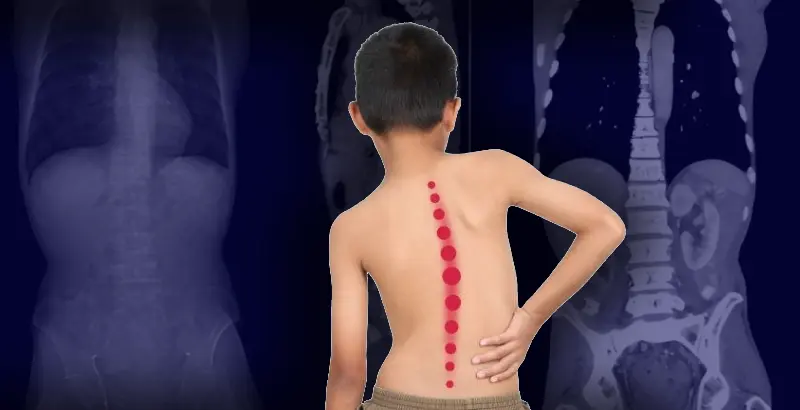
Teenage years are a period of rapid growth and development. During this phase, parents often focus on nutrition, academics, and emotional well-being but may overlook subtle physical changes that can indicate a developing spinal condition. One such condition is scoliosis, a spinal deformity that affects thousands of adolescents worldwide. The challenge with scoliosis is that it often develops gradually and painlessly, making it difficult to detect in its early stages. Many parents notice changes such as an uneven shoulders posture, a tilted waistline, or clothes fitting unevenly without realizing these could be signs of a spinal curvature. Early diagnosis and timely intervention can significantly improve outcomes. Seeking guidance from a specialized spine deformity correction clinic can help prevent progression and support healthy spinal development. This guide will help parents understand scoliosis, recognize early warning signs, and learn when to seek professional scoliosis treatment.
Understanding Scoliosis
What Is Scoliosis?
Scoliosis is a condition in which the spine curves sideways, often forming an “S” or “C” shape rather than remaining straight. While a mild spinal curve may not cause noticeable symptoms initially, more significant curves can affect posture, movement, breathing, and overall quality of life if left untreated.
The condition commonly develops during the growth spurt that occurs just before puberty, making teenagers and young adults particularly vulnerable.
Types of Scoliosis
Scoliosis can occur for several reasons:
Idiopathic Scoliosis
The most common form, accounting for approximately 80% of cases. The exact cause remains unknown.
Congenital Scoliosis
Present at birth due to abnormal spinal development.
Neuromuscular Scoliosis
Associated with neurological or muscular conditions such as cerebral palsy or muscular dystrophy.
Degenerative Scoliosis
Typically affects older adults due to spinal wear and tear but may occasionally influence younger individuals with underlying conditions.
Why Early Detection Matters
The Impact of Growth Spurts
During adolescence, bones grow rapidly. If scoliosis is present, the spinal curve can worsen quickly during growth spurts.
Early detection allows healthcare providers to:
Monitor spinal development
Prevent progression of the curve
Reduce the likelihood of surgery
Improve posture and spinal alignment
Enhance long-term physical function
Parents who identify warning signs early and consult a spine deformity correction clinic can significantly improve treatment outcomes.
Early Signs of Scoliosis Parents Should Watch For
Scoliosis often develops silently. Understanding the early symptoms can help parents seek evaluation before the condition progresses.
Uneven Shoulders Posture
One of the most common and noticeable signs is uneven shoulders posture.
You may notice:
One shoulder appearing higher than the other
Shirt collars sitting unevenly
School bag straps slipping off one shoulder repeatedly
Asymmetrical shoulder blades
Although occasional poor posture is common among teenagers, persistent uneven shoulder alignment should be evaluated by a spine specialist.
One Shoulder Blade Appears More Prominent
A curved spine can cause one shoulder blade to protrude more than the other.
Parents may notice:
Uneven appearance from behind
One side of the back looking raised
Visible asymmetry while standing
This sign is particularly noticeable when a child bends forward.
Uneven Waistline
The waist may appear asymmetrical due to spinal curvature.
Warning signs include:
One hip appearing higher
Uneven waist creases
Clothing hanging unevenly
Difficulty fitting clothes properly
Leaning to One Side
Teenagers with scoliosis may unconsciously lean toward one side when standing or walking.
This imbalance may become more obvious over time as the spinal curve progresses.
Rib Cage Asymmetry
As scoliosis develops, the ribs may rotate along with the spine.
Parents may observe:
One side of the chest protruding more
Uneven rib positioning
Visible asymmetry during physical activities
Head Not Centered Over the Pelvis
When viewed from the front or back, the head may appear slightly off-center rather than aligned directly above the hips.
This subtle sign is often overlooked but can indicate spinal imbalance.
Changes in Walking Pattern
Spinal misalignment may affect gait and balance.
Possible symptoms include:
Uneven stride length
Frequent stumbling
Difficulty maintaining balance
Altered walking posture
Can Scoliosis Cause Pain?
Many parents assume scoliosis always causes pain, but mild cases often do not.
However, as the condition progresses, symptoms may include:
Back pain
Muscle fatigue
Neck discomfort
Shoulder pain
Reduced flexibility
Some teenagers may also experience symptoms requiring specialized cervical spine care, particularly when spinal imbalance affects neck alignment.
Risk Factors for Scoliosis
Certain factors increase the likelihood of developing scoliosis.
Family History
Scoliosis tends to run in families. If a parent or sibling has scoliosis, the risk may be higher.
Gender
Although both boys and girls can develop scoliosis, girls are more likely to experience progression requiring treatment.
Rapid Growth
The greatest risk period occurs during puberty when rapid growth places additional stress on the spine.
How Parents Can Perform a Simple At-Home Screening
While professional evaluation is essential, parents can perform a simple observation test.
Forward Bend Test
Ask your child to:
Stand with feet together.
Bend forward slowly.
Allow arms to hang naturally.
Observe from behind for:
Uneven shoulders
Rib prominence
Raised shoulder blade
Visible spinal curvature
Any noticeable asymmetry should prompt consultation with a specialist.
When to Visit a Spine Deformity Correction Clinic
Parents should schedule an evaluation if they notice:
Persistent uneven shoulders posture
Uneven hips
Visible spinal curve
One shoulder blade protruding
Frequent complaints of back pain
Balance issues
A specialized spine deformity correction clinic offers comprehensive assessments and individualized treatment plans designed specifically for growing adolescents.
How Scoliosis Is Diagnosed
Physical Examination
A spine specialist evaluates:
Posture
Shoulder alignment
Hip symmetry
Range of motion
Balance
Imaging Studies
Diagnostic tests may include:
X-rays
EOS imaging
MRI scans (when necessary)
CT scans for complex cases
These tests help determine the degree of spinal curvature and guide treatment decisions.
Scoliosis Treatment Options
Modern scoliosis treatment focuses on preventing progression and improving spinal alignment while preserving mobility.
Observation and Monitoring
Mild curves often require regular monitoring.
Doctors may recommend follow-up visits every few months to track spinal growth and curve progression.
Physical Therapy
Targeted exercises can improve:
Core strength
Posture
Flexibility
Muscle balance
Physical therapy is often recommended alongside other treatment approaches.
Posture Correction Programs
Specialized posture correction techniques help teenagers develop healthy spinal habits and improve body mechanics.
These programs are particularly beneficial for those showing early signs such as uneven shoulders posture.
Bracing
For moderate scoliosis, custom spinal braces may help prevent further curvature during growth.
Bracing is most effective when initiated before skeletal maturity.
Advanced Surgical Correction
Severe curves may require surgical intervention.
Modern spinal surgery techniques offer:
Improved correction
Enhanced safety
Faster recovery
Better long-term outcomes
An experienced spine deformity correction clinic can determine whether surgery is necessary based on individual evaluation.
The Importance of Cervical Spine Care in Scoliosis Management
Many parents focus solely on the lower back and thoracic spine, but neck alignment is equally important.
How Scoliosis Affects the Neck
Spinal curvature can create compensatory changes in the cervical spine.
This may lead to:
Neck pain
Muscle tension
Headaches
Reduced mobility
Benefits of Early Cervical Spine Care
Proper cervical spine care can:
Improve posture
Reduce discomfort
Support spinal balance
Prevent long-term complications
Comprehensive scoliosis management should always consider the entire spine rather than focusing only on the visible curve.
Emotional Impact of Scoliosis on Teenagers
Beyond physical symptoms, scoliosis can affect emotional well-being.
Teenagers may experience:
Reduced self-confidence
Body image concerns
Social anxiety
Fear of treatment
Parents play a vital role in providing reassurance and encouraging open communication throughout the treatment journey.
Supporting Your Child During Treatment
Parents can help by:
Encouraging good posture habits
Promoting regular physical activity
Attending follow-up appointments
Providing emotional support
Following specialist recommendations consistently
A positive family environment often contributes significantly to successful scoliosis treatment outcomes.
Preventing Long-Term Complications
Untreated scoliosis can lead to:
Progressive spinal deformity
Chronic pain
Reduced mobility
Respiratory complications in severe cases
Early spinal degeneration
Early diagnosis remains the most effective strategy for preventing these complications.
Why Choose Mediheal Hospital for Scoliosis Care?
At Mediheal Hospital, patients receive comprehensive evaluation and treatment for spinal disorders from experienced specialists dedicated to advanced spinal care.
The hospital offers:
Expert scoliosis assessment
Advanced diagnostic imaging
Personalized treatment planning
Posture correction programs
Specialized cervical spine care
Comprehensive rehabilitation services
Advanced surgical expertise when required
The multidisciplinary approach ensures each patient receives individualized care focused on long-term spinal health and improved quality of life.
Conclusion
Scoliosis often begins with subtle signs that are easy to overlook. An uneven shoulders posture, asymmetrical hips, or a slight lean to one side may seem minor but can indicate an underlying spinal curvature.
Parents who recognize these warning signs early and seek evaluation from a specialized spine deformity correction clinic can help their children receive timely scoliosis treatment and avoid future complications.
With early diagnosis, personalized care, posture correction strategies, and comprehensive cervical spine care, teenagers and young adults can maintain healthy spinal development and enjoy active, confident lives.
Frequently Asked Questions (FAQs)
What is usually the first sign of scoliosis in teenagers?
The earliest sign is often an uneven shoulders posture, where one shoulder appears higher than the other. Other signs may include uneven hips and asymmetrical shoulder blades.
At what age does scoliosis commonly develop?
Scoliosis most commonly develops between ages 10 and 18 during rapid growth periods associated with puberty.
Can scoliosis be corrected without surgery?
Many mild and moderate cases can be managed through observation, physical therapy, posture correction programs, and bracing without requiring surgery.
Does poor posture cause scoliosis?
Poor posture does not directly cause scoliosis, but it may make existing spinal asymmetry more noticeable.
When should parents consult a spine deformity correction clinic?
Parents should seek evaluation if they notice uneven shoulders posture, uneven hips, visible spinal curvature, persistent back pain, or balance issues.
Is scoliosis painful for teenagers?
Many teenagers with mild scoliosis experience no pain. However, more significant curves may cause back discomfort, muscle fatigue, or neck strain requiring specialized care.
Why is cervical spine care important in scoliosis treatment?
The cervical spine helps maintain overall spinal balance. Proper cervical spine care can reduce neck pain, improve posture, and support long-term spinal health.
Can scoliosis worsen over time?
Yes. During growth spurts, spinal curves can progress rapidly if not monitored and treated appropriately.
How is scoliosis diagnosed?
Diagnosis typically involves a physical examination and imaging studies such as X-rays, MRI scans, or specialized spinal imaging.
Can my child lead a normal life with scoliosis?
Yes. With early diagnosis, proper scoliosis treatment, and regular monitoring, most children and teenagers can continue participating in sports, school, and daily activities without significant limitations.