
Facial Fracture Treatment After an Accident: Symptoms, Types & Recovery
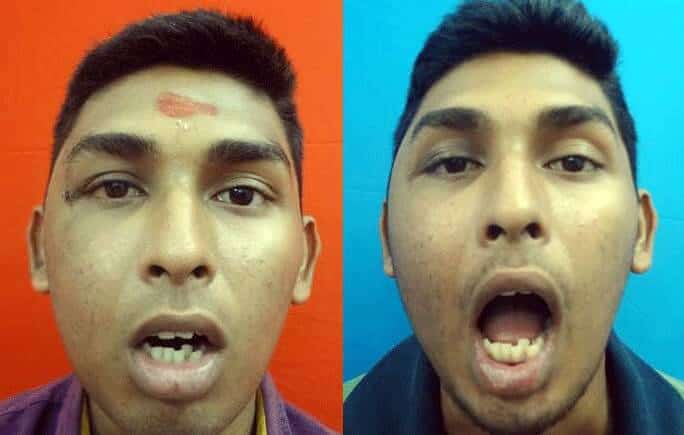
A facial injury after a road accident, fall, sports injury, or other trauma can be frightening. While swelling, bruising, or a small cut may initially appear to be the main problem, a significant impact can also cause a facial bone fracture. Fractures involving the cheekbone, jaw, nose, eye socket, or other facial bones may affect not only appearance but also important functions such as chewing, speaking, breathing, seeing, and opening the mouth. A facial fracture should therefore never be ignored simply because the pain seems manageable. Some fractures are obvious immediately, while others become noticeable only after swelling starts to decrease. Early medical assessment helps determine the extent of the injury and whether treatment is needed to allow the bones to heal in the correct position. At Mediheal Hospital, the Oral Maxillofacial & Head & Neck Surgery department provides surgical care for conditions affecting the face, jaws, mouth, and neck. The department specifically includes facial trauma and jaw corrective surgery among its services, with a focus on restoring function, appearance, and quality of life.
What Is a Facial Fracture?
A facial fracture is a break or crack in one or more bones of the face. The facial skeleton is made up of several interconnected bones that support the eyes, nose, mouth, teeth, cheeks, and jaw. A strong impact can cause one bone to fracture or can result in multiple facial fractures. Common causes include road traffic accidents, falls, sports injuries, workplace accidents, physical trauma, and other high-impact incidents. The severity can range from a small, stable crack that heals without surgery to a complex fracture in which the bone has shifted, broken into several pieces, or affected nearby structures. Facial trauma can sometimes occur alongside other injuries, particularly after a high-speed accident. For this reason, doctors may assess the face together with the head, neck, chest, and other areas depending on the circumstances of the accident.
Common Types of Facial Bone Fractures
Different facial bones can be affected depending on where and how the impact occurs. Identifying the specific fracture is important because treatment depends on the location, displacement, associated injuries, and functional problems.
Cheekbone Fracture
The cheekbone, also called the zygomatic bone, contributes to the shape of the cheek and forms part of the eye socket. A cheekbone fracture can occur after a direct blow to the face or during a road accident. Patients may experience swelling around the cheek and eye, facial tenderness, bruising, numbness of the cheek or upper lip, difficulty opening the mouth, or changes in the appearance of the cheek. In some cases, a cheekbone fracture can also involve the surrounding structures of the eye socket.
Jaw Fracture
A jaw fracture can involve the upper jaw or lower jaw. Lower jaw fractures are commonly associated with trauma to the chin, side of the face, or lower part of the jaw. Possible symptoms include jaw pain, swelling, difficulty chewing, difficulty opening or closing the mouth, loose or damaged teeth, bleeding inside the mouth, and a change in the way the teeth fit together. A change in the normal bite after an accident is particularly important because it may indicate that the jaw has shifted.
Eye Socket Fracture
The bones surrounding the eye can fracture following blunt trauma. This type of injury may be associated with swelling and bruising around the eye, double vision, pain when moving the eye, or changes in the position of the eye. Because an injury around the eye can potentially affect vision or eye movement, it requires prompt medical assessment.
Nose and Midface Fractures
The nose is one of the most exposed parts of the face and can be injured easily during an accident. More significant trauma can involve multiple bones in the central or midface region. Symptoms can include nasal swelling, bleeding, difficulty breathing through the nose, pain, and visible changes in the shape of the nose or face.
What Are the Symptoms of a Facial Fracture?
Not every facial fracture produces the same symptoms. Some signs appear immediately, while others become clearer as swelling reduces. Common symptoms of facial trauma may include facial pain, swelling, bruising, tenderness, bleeding, numbness, difficulty opening the mouth, difficulty chewing, loose teeth, or a change in the bite. A person may also notice that one side of the face looks different from the other. In more complicated injuries, there may be double vision, difficulty moving the eye, changes in vision, difficulty breathing, or significant bleeding.
Signs That Should Not Be Ignored After an Accident
After significant facial trauma, urgent medical attention is especially important if there is severe or increasing pain, heavy bleeding, difficulty breathing, loss or change of vision, double vision, severe swelling around the eyes, inability to open or close the mouth normally, a noticeably altered bite, significant facial deformity, loss of consciousness, or other concerning symptoms. Even when these symptoms are absent, a medical examination may still be appropriate after a strong impact because some fractures are difficult to identify from external appearance alone.
How Are Facial Fractures Diagnosed?
The first step in facial fracture treatment is an appropriate clinical assessment. A doctor will usually ask how the accident occurred and examine the injured area. The examination may include checking facial symmetry, swelling, tenderness, jaw movement, bite alignment, eye movement, sensation, teeth, and the inside of the mouth. The doctor may also look for signs of nerve or soft-tissue injury.
Imaging Tests
Imaging is often important for understanding the location and severity of a facial fracture. Depending on the injury, the doctor may recommend X-rays or a CT scan. A CT scan can provide detailed images of facial bones and may help identify fractures that are difficult to appreciate during a physical examination. Imaging also helps the surgeon understand whether bones have moved from their normal position and whether more than one facial area is involved.
Facial Fracture Treatment: What Are the Options?
Treatment depends on the type of fracture, its location, whether the bone has moved, associated injuries, and whether normal facial function has been affected. Not every facial fracture requires surgery. Some stable fractures can heal with observation, medication, dietary modifications, and follow-up. However, displaced or complex fractures may require surgical treatment to restore the normal position of the bones.
Non-Surgical Treatment
A minor and stable fracture may sometimes be managed without an operation. Treatment may include pain management, cold compresses as advised by the treating doctor, dietary modifications when chewing is uncomfortable, activity restrictions, and regular follow-up. The doctor may monitor healing through clinical examinations and, when necessary, repeat imaging. Patients should follow medical instructions carefully because putting pressure on an injured area too early may interfere with recovery.
Surgical Treatment
Surgery may be recommended when a fracture has significantly displaced the bone, affected facial appearance, interfered with chewing or jaw movement, caused functional problems, or involves important structures. The aim of facial fracture surgery is generally to reposition the fractured bones and stabilize them so they can heal appropriately. Depending on the injury, specialized plates, screws, or other fixation methods may be used. The exact surgical technique depends on the fracture pattern and the patient’s individual condition.
What Happens During Facial Fracture Surgery?
- The surgical approach varies according to the location and complexity of the fracture. The surgeon first evaluates the fracture using clinical findings and imaging.
- During surgery, displaced bones may be carefully repositioned. Once the appropriate alignment has been achieved, the bones may be stabilized using suitable fixation devices.
- The goal is not simply to repair the broken bone. Facial trauma treatment also considers important functions such as bite alignment, jaw movement, eye function, facial symmetry, and overall appearance.
- In complex cases, treatment may require coordination between different medical specialists depending on the injuries involved.
Recovery After Facial Fracture Treatment
- Recovery varies considerably from person to person. It depends on the type of fracture, whether surgery was required, the number of facial bones involved, general health, and the presence of other injuries.
- Swelling and bruising are common during the early recovery period. These symptoms generally improve gradually, although some swelling may persist for a period of time.
- Patients should follow their surgeon’s instructions regarding medication, oral hygiene, diet, physical activity, wound care, and follow-up appointments.
Diet After Jaw or Facial Fracture
Patients with jaw injuries may temporarily need a soft or modified diet, particularly when chewing causes pain or when the jaw has undergone surgery.
Foods should be selected according to the treating surgeon’s recommendations. Maintaining adequate nutrition and hydration is important because the body requires sufficient energy and nutrients during bone and tissue healing.
Follow-Up Is Important
Follow-up appointments allow the doctor to assess healing and identify potential problems early. Depending on the injury, the doctor may evaluate facial symmetry, jaw movement, bite alignment, sensation, wound healing, and other functions.Patients should not skip follow-up appointments simply because their pain has improved. Bone healing and functional recovery continue after the initial symptoms become less noticeable.
Can a Facial Fracture Heal Without Surgery?
Yes, some facial fractures can heal without surgery. The decision depends on whether the fracture is stable and properly aligned and whether it causes functional or cosmetic problems. A small, non-displaced fracture may be monitored while the body naturally heals the bone. However, a displaced cheekbone or jaw fracture may require surgical repositioning. The correct approach cannot be determined from symptoms alone. A medical examination and appropriate imaging are important before deciding whether surgery is necessary.
What Happens If a Facial Fracture Is Left Untreated?
Ignoring a facial fracture can sometimes lead to long-term problems, particularly when the bones have healed in an abnormal position. Depending on the location of the fracture, untreated injuries may contribute to facial asymmetry, persistent numbness, difficulty chewing, altered bite, restricted jaw movement, changes around the eye, or other functional concerns. This does not mean every suspected fracture requires immediate surgery. It means that an appropriate evaluation is important so that the injury can be managed according to its severity.
When Should You See a Facial Trauma Specialist?
You should consider prompt medical assessment after significant facial trauma, particularly if there is persistent facial pain or swelling, bruising around the eyes, difficulty chewing, a change in your bite, numbness, facial deformity, difficulty opening your mouth, loose teeth, nose or mouth bleeding, double vision, or other unusual symptoms. A specialist evaluation can help determine whether the injury is a simple soft-tissue injury or a fracture requiring further treatment.
Why Choose Mediheal Hospital for Facial Fracture Treatment?
Mediheal Hospital provides Oral Maxillofacial & Head & Neck Surgery services for conditions involving the face, jaws, mouth, and neck. Its listed services include facial trauma and jaw corrective surgery, along with treatment for conditions such as TMJ disorders, cysts and tumors of the face and jaws, and other maxillofacial conditions. The hospital states that its approach focuses on precise, safe, and patient-focused surgical care, with the goal of restoring function, improving appearance, and supporting quality of life. The department is associated with Dr. Naman Pandya and Dr. Utsav Bhatt. Mediheal Hospital also highlights multidisciplinary medical care, modern technology, and patient-centered treatment across its departments. For someone recovering from an accident, this type of comprehensive evaluation can be valuable because facial trauma may involve bones, teeth, nerves, soft tissues, the jaw, and structures around the eyes.
Frequently Asked Questions About Facial Fractures
What is the most common facial fracture after an accident?
The type of facial fracture depends on the mechanism and location of the injury. Cheekbone, nasal, jaw, and eye-socket fractures are among the injuries that can occur after facial trauma. A doctor needs to examine the patient and review appropriate imaging to identify the exact fracture.
How do I know if I have a cheekbone fracture?
Swelling and bruising around the cheek or eye, facial tenderness, numbness, difficulty opening the mouth, facial asymmetry, or changes around the eye can occur with a cheekbone fracture. However, these symptoms can also occur with soft-tissue injuries, so imaging may be required for confirmation.
Can a jaw fracture heal on its own?
Some stable jaw fractures may heal with appropriate non-surgical management, while displaced or unstable fractures may require surgery. The decision depends on the fracture location, alignment, bite, jaw function, and other factors.
Is facial fracture surgery painful?
Facial fracture surgery is performed using anesthesia, so the patient does not experience the surgical procedure in the usual way. Some pain, swelling, and discomfort can occur after surgery. Your surgeon can provide appropriate pain-management instructions for recovery.
How long does it take to recover from a facial fracture?
Recovery varies depending on the fracture and treatment. Swelling and discomfort generally improve gradually, while bone healing takes longer. Complex fractures or multiple injuries may require a longer recovery period and follow-up care.
Can a facial fracture affect my appearance?
Yes. If a fractured facial bone becomes displaced and heals in an abnormal position, it can sometimes affect facial symmetry. Appropriate treatment aims to restore the alignment of the bones and preserve facial function and appearance.
Can a facial fracture affect chewing?
Yes. Jaw fractures or injuries involving the structures responsible for jaw movement can make chewing painful or difficult. A change in the way the upper and lower teeth meet can also occur.
Can I wait for the swelling to go down before seeing a doctor?
It is better to seek medical evaluation after significant facial trauma rather than waiting for swelling to disappear. Swelling can sometimes make examination more difficult, but delaying assessment may also delay appropriate treatment.
Is every facial fracture treated with surgery?
No. Some fractures can be treated conservatively, particularly when the bones are stable and properly aligned. Surgery is generally considered when there is significant displacement, functional impairment, instability, or another indication identified by the treating specialist.
Which doctor treats facial fractures?
Facial fractures may be evaluated and treated by specialists such as oral and maxillofacial surgeons, depending on the location and complexity of the injury. Other specialists may be involved when trauma affects the eye, nose, brain, or other structures.
Take the Right Step After Facial Trauma
- A facial injury after an accident can be more than a temporary bruise. A fracture involving the cheekbone, jaw, eye socket, or other facial bones may require timely diagnosis and specialized treatment to protect both function and appearance.
- If you have persistent pain, swelling, facial asymmetry, difficulty chewing or opening your mouth, numbness, altered bite, or other symptoms following an accident, do not ignore them. An appropriate evaluation can determine the extent of the injury and whether observation, conservative treatment, or facial fracture surgery is appropriate.
- Mediheal Hospital’s Oral Maxillofacial & Head & Neck Surgery department provides care for facial trauma and jaw corrective surgery, with an emphasis on restoring function and supporting the patient’s overall recovery.
- For evaluation and personalized facial fracture treatment, consult a qualified specialist and discuss the most appropriate treatment plan for your injury.
Important Medical Disclaimer
This article is intended for general educational purposes and should not replace an examination or medical advice from a qualified healthcare professional. Facial trauma can sometimes involve serious injuries that are not immediately obvious. Seek urgent medical care for severe bleeding, breathing difficulty, loss or changes in vision, loss of consciousness, or other emergency symptoms.