
Fracture Surgery: Broken Bone Surgery, Fixation & Orthopedic Trauma Treatment
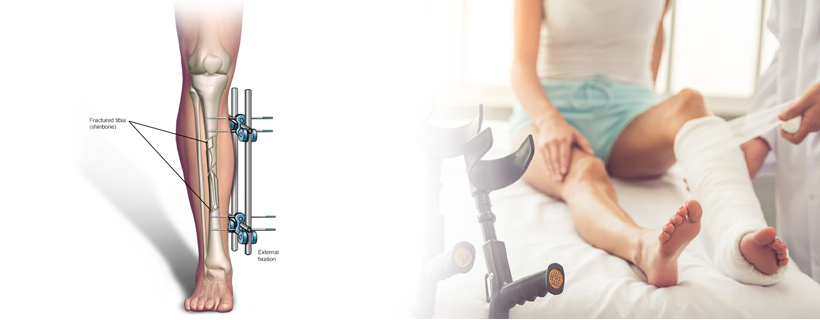
A fracture can happen in a moment, but its effects can last for weeks or even months. A fall, road accident, sports injury, workplace accident, or a sudden impact can cause a bone to crack or break. While some fractures can heal naturally with immobilization, others require fracture surgery to restore the normal position, stability, and function of the bone.
Fracture surgery, also known as broken bone surgery or fracture fixation, is an important part of modern orthopedic trauma care. The primary goal of surgery is to bring the broken pieces of bone into the correct position and hold them securely while the bone heals. Depending on the type and location of the fracture, an orthopedic surgeon may use plates, screws, rods, wires, or other fixation devices. At Mediheal Hospital, orthopedic care focuses on accurate diagnosis, appropriate treatment planning, surgical expertise, and rehabilitation. Every fracture is different, so treatment is selected according to the patient’s age, overall health, type of injury, affected bone, severity of the fracture, and expected functional requirements.
If you or someone in your family has suffered a broken bone, understanding the available treatment options can make the recovery process less stressful. This guide explains when fracture surgery may be needed, how fracture fixation works, what happens during recovery, and when you should consult an orthopedic trauma specialist.
What Is Fracture Surgery?
Fracture surgery is a procedure performed to repair a broken bone when non-surgical treatment may not provide adequate healing or stability. During surgery, the orthopedic surgeon carefully realigns the fractured bone and uses specialized fixation methods to keep the bone stable while it heals. A fracture does not always mean surgery is necessary. Some simple and stable fractures can heal with a cast, splint, brace, rest, and appropriate follow-up. However, surgery may become necessary when the bone fragments are significantly displaced, the fracture affects a joint, the bone has broken into several pieces, or the fracture cannot be properly maintained in position with a cast. The decision for broken bone surgery is generally based on clinical examination and imaging such as X-rays and, when required, CT scans or other investigations. The orthopedic surgeon evaluates the fracture carefully before recommending the most suitable treatment.
When Is Broken Bone Surgery Needed?
Displaced or Unstable Fractures
- When the broken ends of a bone move significantly out of their normal alignment, simply applying a cast may not be enough. A displaced fracture may need surgical realignment and fixation to restore the normal anatomy of the bone.
- An unstable fracture may also move again after being placed in a cast. In such situations, fracture fixation can provide the stability required for proper healing and help reduce the risk of deformity or loss of function.
Fractures Involving a Joint
- Fractures that extend into a joint can require particularly careful treatment. The joint surface needs to be aligned as accurately as possible because irregular healing can affect movement and may increase the risk of stiffness or arthritis later.
- For selected joint fractures, surgery may be recommended to restore alignment and maintain stability during healing.
Open Fractures
- An open fracture occurs when the broken bone is associated with an open wound or the fracture communicates with the outside environment. These injuries require urgent medical attention because there is a significant risk of infection and damage to surrounding tissues.
- Treatment may involve wound cleaning, antibiotics, surgical cleaning of damaged tissue, and stabilization of the broken bone. The exact approach depends on the severity of the injury and the condition of the surrounding soft tissues.
- Multiple or Complex Fractures
Some accidents can cause several fractures or break a bone into multiple fragments. These complex injuries can require specialized orthopedic trauma surgery to restore alignment and provide adequate stability.
Common Types of Fractures That May Require Surgery
- Fractures can occur in almost any bone of the body. The need for surgery depends not only on which bone is broken but also on the pattern and severity of the fracture.
- Fractures of the hip, thigh bone, shin bone, ankle, wrist, forearm, upper arm, shoulder, and other major bones may sometimes require surgical fixation. Fractures around joints, significantly displaced fractures, and fractures that are unstable may have a greater likelihood of requiring an operation.
- A fracture caused by high-energy trauma, such as a road traffic accident, can also involve damage to muscles, blood vessels, nerves, ligaments, or skin. In such cases, treatment needs to address the overall injury rather than only the broken bone.
What Is Fracture Fixation?
Fracture fixation is the process of stabilizing a broken bone so that it can heal in the correct position. During fixation surgery, the orthopedic surgeon repositions the bone fragments and secures them using appropriate surgical implants.
The type of fixation depends on the location and pattern of the fracture. Plates and screws are commonly used to stabilize certain fractures, while rods or nails placed inside the bone may be appropriate for some long-bone fractures. Wires or other fixation methods can also be used in selected situations.
The purpose is not simply to join the broken pieces together. Proper fixation aims to restore alignment, provide stability, support bone healing, and help the patient regain movement and function as safely as possible.
Types of Fracture Fixation Surgery
Open Reduction and Internal Fixation
- One commonly used approach is open reduction and internal fixation, often abbreviated as ORIF. In this procedure, the surgeon accesses the fracture, carefully repositions the bone fragments, and stabilizes them with implants such as plates and screws.
- ORIF may be recommended when a fracture is significantly displaced, unstable, complex, or difficult to maintain in proper alignment without surgery.
Intramedullary Fixation
- For certain long-bone fractures, an intramedullary nail or rod may be placed inside the central canal of the bone. This method can provide strong internal support while the fracture heals.
- Intramedullary fixation is commonly considered for selected fractures involving long bones such as the femur or tibia. The appropriate technique depends on the individual fracture pattern and the patient’s condition.
External Fixation
- In some severe injuries, an external fixation system may be used. Pins or wires are placed into the bone and connected to an external frame outside the body.
- External fixation can be particularly useful in certain complex fractures, open injuries, or situations where significant swelling or soft-tissue damage makes immediate internal fixation unsuitable. In some cases, it may be used temporarily before definitive fracture treatment.
How Is Fracture Surgery Diagnosed and Planned?
Before recommending surgery, the orthopedic team evaluates the injury through physical examination and imaging. X-rays are commonly used to identify the location and alignment of a fracture. More complex injuries may require CT imaging to provide a detailed view of the bone and joint. The surgeon also considers the patient’s medical history, age, activity level, medications, and overall health. In traumatic injuries, the condition of the skin, muscles, blood vessels, and nerves around the fracture is also important. The treatment plan is therefore individualized. Two people may have fractures in the same bone but require completely different treatments because their fracture patterns and overall circumstances are different.
What Happens During Fracture Surgery?
The exact surgical procedure depends on the type of fracture and the fixation technique selected. Before surgery, the patient undergoes appropriate medical and anesthesia assessment. During the operation, the surgeon carefully exposes or accesses the fractured area as required. The broken bone fragments are then brought back into an appropriate position. Specialized implants such as plates, screws, rods, wires, or other fixation devices may be used to maintain alignment. Imaging may be used during surgery to help confirm the position of the fracture and implants. Once the surgeon is satisfied with the alignment and stability, the surgical area is closed and the patient is monitored during recovery.
What Happens After Broken Bone Surgery?
Recovery begins immediately after surgery. The orthopedic team monitors pain, swelling, wound condition, circulation, and movement of the affected limb. Depending on the type of fracture and surgery, the patient may need a cast, brace, splint, or other support for a period of time.
Pain and swelling are common during the early recovery period. Patients are generally advised to follow their surgeon’s instructions regarding medication, wound care, weight-bearing, and physical activity. It is important not to put excessive stress on a surgically repaired bone before it has adequately healed. Returning to normal activities too early can interfere with recovery or damage the fixation.
Fracture Surgery Recovery and Rehabilitation
Why Rehabilitation Matters
Surgery stabilizes the fracture, but rehabilitation plays an important role in helping the patient regain strength, flexibility, balance, and normal movement.
Once the orthopedic surgeon determines that it is appropriate, physiotherapy may become part of the recovery plan. Exercises are gradually introduced according to the healing stage and the affected body part.
For example, after a lower-limb fracture, rehabilitation may initially focus on maintaining safe movement and gradually progressing toward weight-bearing and walking. Following an upper-limb fracture, therapy may focus on restoring joint movement, muscle strength, and hand or arm function.
Recovery time varies significantly. A simple fracture may recover faster than a complex fracture involving a joint or extensive soft-tissue damage. The patient’s age, bone health, general health, type of fracture, surgical procedure, and adherence to rehabilitation can all influence recovery.
How Can You Support Bone Healing After Fracture Surgery?
Following the orthopedic surgeon’s instructions is one of the most important parts of recovery. Patients should attend scheduled follow-up appointments so that the healing process can be monitored. Good nutrition is also important for overall recovery. A balanced diet containing adequate protein, calcium, vitamin D, and other essential nutrients can support general bone health. Smoking can negatively affect bone healing, so avoiding tobacco is strongly recommended during recovery. Patients should also take prescribed medicines correctly and follow instructions about weight-bearing and exercise. Even when pain begins to improve, the bone may still require additional time to regain adequate strength.
Possible Risks and Complications of Fracture Surgery
- Like any major surgical procedure, fracture surgery can have potential risks. These may include infection, bleeding, blood clots, nerve or blood vessel injury, stiffness, delayed healing, non-union, malunion, implant-related problems, or continued pain.
- The risk varies depending on the type and severity of the fracture, the patient’s health, the surgical procedure, and other factors. Open fractures and high-energy injuries may have additional complications because the surrounding soft tissues can also be damaged.
- Following postoperative instructions and attending regular follow-up appointments can help the orthopedic team identify and manage potential problems early.
When Should You See an Orthopedic Trauma Specialist?
- A person with a suspected fracture should receive medical assessment rather than attempting to manage a significant injury at home. Severe pain, swelling, visible deformity, inability to use the affected limb, or difficulty putting weight on a leg after an injury may indicate a serious fracture.
- An open wound associated with a suspected fracture, numbness, unusual coldness or discoloration of the limb, or severe uncontrolled pain requires urgent medical attention.
- Even when the injury initially appears minor, persistent pain or loss of function should not be ignored. An orthopedic specialist can determine whether imaging or further treatment is necessary.
Why Choosing the Right Fracture Treatment Matters
The objective of fracture treatment is not only to make the bone heal. Proper treatment also aims to restore alignment and help the patient return to normal movement and daily activities. Poorly aligned fractures can sometimes result in persistent pain, weakness, restricted movement, or changes in the way a joint or limb functions. This is why an appropriate treatment plan is important, particularly for fractures involving joints or major weight-bearing bones. At Mediheal Hospital, patients can receive orthopedic evaluation and treatment planning based on the nature of their injury. The hospital’s healthcare team emphasizes professional expertise and compassionate patient care throughout the treatment journey.
Frequently Asked Questions About Fracture Surgery
Is every broken bone treated with surgery?
No. Many fractures can heal without surgery using methods such as a cast, splint, brace, or other forms of immobilization. Surgery is generally considered when the fracture is displaced, unstable, complex, involves a joint, or cannot be adequately managed with non-surgical treatment.
How long does fracture surgery take?
The duration varies depending on the bone involved, fracture complexity, surgical technique, and whether there are associated injuries. A straightforward fracture fixation procedure may be relatively short, while complex orthopedic trauma surgery can take longer.
Is fracture surgery painful?
Pain is expected after a surgical procedure, but doctors use appropriate pain-management methods to keep discomfort under control. Pain generally decreases as healing progresses, although the recovery experience differs from person to person.
How long does it take for a broken bone to heal after surgery?
Healing time varies according to the type of fracture, bone involved, patient’s age, bone health, and other factors. Some fractures may show substantial healing within several weeks, while more complicated injuries can take considerably longer. The orthopedic surgeon monitors healing through follow-up examinations and imaging.
Will the plates and screws need to be removed?
Not always. Many plates and screws can remain in the body permanently if they are not causing problems. Implant removal may sometimes be considered when there is pain, irritation, infection, or another specific medical reason. The decision should always be made with the treating orthopedic surgeon.
Can I walk normally after fracture surgery?
Many patients are able to return to normal walking after appropriate healing and rehabilitation, but the timeline depends on the fracture and surgical treatment. Weight-bearing should only be increased according to the orthopedic surgeon’s instructions.
When can I return to work after fracture surgery?
The timing depends on the type of work and the affected bone. Someone with a desk-based job may return earlier than someone whose work involves lifting, climbing, standing, or physical labor. Your orthopedic team can provide individualized guidance based on your recovery.
Is physiotherapy necessary after fracture surgery?
Physiotherapy is often an important part of rehabilitation, particularly when stiffness, weakness, or reduced movement develops after immobilization or surgery. The timing and exercises should be determined according to the fracture and stage of healing.
Can a fracture heal incorrectly after surgery?
Although fracture fixation is designed to restore alignment and stability, complications such as delayed healing or malunion can sometimes occur. Regular follow-up helps the orthopedic team monitor bone healing and address problems when necessary.
Get Expert Evaluation for a Broken Bone
A broken bone can affect mobility, independence, work, and everyday life. Getting the right diagnosis and treatment at the right time can make an important difference to recovery. Whether the fracture requires conservative management or fracture fixation surgery, treatment should be based on the specific injury rather than a one-size-fits-all approach. If you have suffered a fracture, persistent pain after an injury, swelling, deformity, or difficulty moving a limb, consult an orthopedic specialist for proper evaluation. At Mediheal Hospital, the orthopedic team can assess your injury, explain the available treatment options, and develop an appropriate plan for recovery. For more information about orthopedic services and fracture treatment, visit Mediheal Hospital and consult the orthopedic care team for personalized medical advice.