
Understanding Meniscus and ACL Injuries Without Surgery: What Every Active Individual Should Know
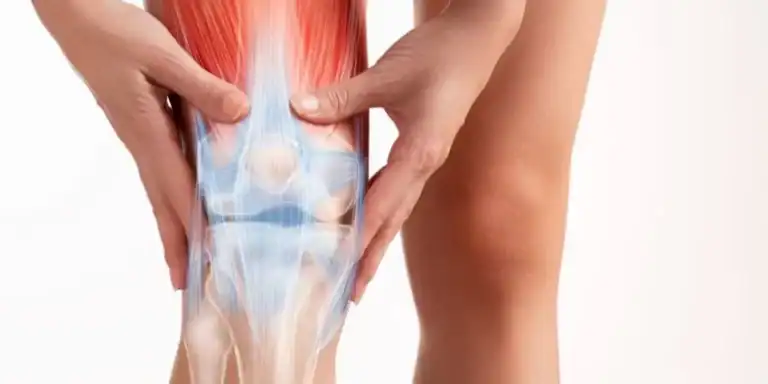
Sports injuries can happen to anyone, whether you’re a professional athlete, a fitness enthusiast, or someone who enjoys occasional physical activities. Among the most common knee injuries are ACL tears and meniscus injuries. These conditions can cause significant pain, swelling, and mobility issues, often leading people to believe that surgery is their only option. However, not every ACL or meniscus injury requires an operation. Advances in medical diagnostics, rehabilitation techniques, physiotherapy, and sports medicine have made non-surgical treatment a successful option for many patients. Understanding your injury, its severity, and the available treatment options can help you make informed decisions about your recovery. At Mediheal Hospital, our orthopedic specialists and sports medicine experts focus on accurate diagnosis, personalized treatment plans, and helping patients return to their active lifestyles safely and effectively.
What Are ACL and Meniscus Injuries?
The knee is one of the most complex joints in the body. It relies on ligaments, cartilage, muscles, and tendons working together to provide stability and movement.
Understanding the ACL
The Anterior Cruciate Ligament (ACL) is one of the primary ligaments in the knee. It connects the thigh bone (femur) to the shin bone (tibia) and prevents excessive forward movement of the tibia.
ACL injuries commonly occur during:
Sudden changes in direction
Jumping and landing incorrectly
Pivoting movements
Sports such as football, basketball, cricket, tennis, and badminton
Accidents involving twisting motions
Understanding the Meniscus
The meniscus is a C-shaped cartilage cushion located between the thigh bone and shin bone. Each knee has two menisci that act as shock absorbers and help distribute body weight evenly across the joint.
Meniscus injuries often occur due to:
Twisting the knee while bearing weight
Sudden rotational movements
Sports activities
Age-related wear and tear
Repetitive knee stress
Common Meniscus Tear Symptoms You Should Never Ignore
Recognizing meniscus tear symptoms early can help prevent further damage and improve recovery outcomes.
Pain Along the Knee Joint
One of the earliest signs is localized pain on either the inner or outer side of the knee.
Swelling
Swelling may develop within a few hours or over several days after the injury.
Difficulty Moving the Knee
Patients often report stiffness or inability to fully bend or straighten the knee.
Clicking or Popping Sensations
A torn meniscus can cause unusual sounds or sensations during movement.
Knee Locking
In some cases, a piece of torn cartilage may interfere with normal joint movement, causing the knee to lock temporarily.
Feeling of Instability
The knee may feel weak or unable to support body weight comfortably.
If you notice these meniscus tear symptoms, seeking professional evaluation from a sports injury specialist near me can help determine the severity of the injury.
Signs and Symptoms of an ACL Injury
ACL injuries are often more dramatic and may occur suddenly during sports or physical activity.
Common symptoms include:
A loud popping sound at the time of injury
Immediate pain
Rapid swelling
Knee instability
Difficulty walking
Reduced range of motion
Feeling that the knee may “give way”
Some patients can continue walking after an ACL injury, which may create the misconception that the injury is minor. However, professional assessment is always recommended.
Can ACL and Meniscus Injuries Heal Without Surgery?
The answer depends on several factors, including:
Severity of the injury
Age of the patient
Activity level
Occupation
Presence of associated injuries
Overall knee stability
Many partial ACL tears and certain meniscus injuries respond well to conservative treatment.
When Non-Surgical Treatment May Be Appropriate
Not every patient requires immediate surgery.
Partial ACL Tears
Patients with partial ligament damage and stable knee function may benefit from rehabilitation and strengthening programs.
Small Meniscus Tears
Some tears located in areas with adequate blood supply can heal naturally with appropriate care.
Low-Impact Lifestyle
Individuals who do not participate in high-intensity sports may successfully manage their condition without surgery.
Older Adults
For some older patients, non-surgical treatment may provide excellent outcomes while avoiding surgical risks.
Non-Surgical Treatment Options for ACL and Meniscus Injuries
Modern sports medicine offers several effective conservative treatment strategies.
Rest and Activity Modification
Reducing activities that aggravate symptoms allows injured tissues to recover.
Patients may need to avoid:
Running
Jumping
Heavy lifting
Sudden twisting movements
Ice Therapy
Applying ice can reduce inflammation and control pain during the early stages of recovery.
Compression and Elevation
These measures help minimize swelling and improve comfort.
Pain Management
Doctors may recommend medications to control pain and inflammation while the knee heals.
Physiotherapy
Physiotherapy is often the cornerstone of non-surgical treatment.
A structured rehabilitation program focuses on:
Restoring mobility
Improving flexibility
Strengthening surrounding muscles
Enhancing balance and coordination
Improving knee stability
Why Physiotherapy Plays a Critical Role
Strong muscles surrounding the knee can compensate for some ligament deficiencies and improve joint stability.
Quadriceps Strengthening
Strong thigh muscles reduce stress on the knee joint.
Hamstring Conditioning
The hamstrings assist in stabilizing the knee during movement.
Balance Training
Proprioception exercises help retrain the body’s awareness of joint position.
Functional Training
Sports-specific exercises prepare athletes for a safe return to activity.
The Importance of Early Diagnosis
One of the biggest mistakes patients make is delaying evaluation.
Ignoring symptoms can lead to:
Chronic knee instability
Additional cartilage damage
Early arthritis
Reduced athletic performance
Increased risk of future injuries
Visiting a sports injury specialist near me at the earliest opportunity can significantly improve treatment outcomes.
Advanced Diagnostic Tools Used by Specialists
Accurate diagnosis forms the foundation of successful treatment.
Physical Examination
An orthopedic specialist assesses:
Knee stability
Range of motion
Swelling
Tenderness
Functional limitations
X-Rays
These help rule out fractures and other bone-related issues.
MRI Scans
MRI remains the gold standard for evaluating:
ACL injuries
Meniscus tears
Cartilage damage
Associated soft tissue injuries
When Is Arthroscopic Surgery Necessary?
Although many injuries can be managed conservatively, certain situations require surgical intervention.
Complete ACL Tears in Active Athletes
Competitive athletes often require surgical reconstruction to restore knee stability.
Severe Meniscus Tears
Large tears or displaced cartilage fragments may need surgical repair.
Persistent Symptoms
If pain, instability, or locking continues despite rehabilitation, surgery may become necessary.
Multiple Knee Injuries
Combined injuries involving ligaments, cartilage, and meniscus often benefit from surgical treatment.
What Is Arthroscopic Surgery?
Arthroscopic surgery is a minimally invasive procedure used to diagnose and treat knee injuries.
During the procedure:
Small incisions are made around the knee.
A tiny camera called an arthroscope is inserted.
Specialized instruments repair damaged tissues.
Compared to traditional surgery, arthroscopic surgery offers:
Smaller incisions
Less pain
Faster recovery
Reduced scarring
Lower infection risk
Understanding ACL Reconstruction Recovery
For patients who require surgery, understanding ACL reconstruction recovery is essential.
Recovery typically occurs in stages.
Initial Recovery Phase
The first few weeks focus on:
Reducing swelling
Managing pain
Restoring movement
Strengthening Phase
Patients gradually begin:
Muscle strengthening exercises
Stability training
Controlled movement programs
Functional Training Phase
Advanced rehabilitation focuses on:
Agility
Balance
Sports-specific activities
Return to Sports
Many athletes return to sports between 6 and 12 months, depending on healing and rehabilitation progress.
Successful ACL reconstruction recovery depends heavily on patient commitment to physiotherapy and follow-up care.
Can Athletes Return to Sports Without Surgery?
In some cases, yes.
Athletes with:
Partial ACL injuries
Stable knees
Minor meniscus damage
may return to sports following comprehensive rehabilitation.
However, the decision should always be made after consultation with a qualified sports medicine specialist.
Preventing Future Knee Injuries
Prevention remains better than treatment.
Warm-Up Properly
Always prepare muscles and joints before physical activity.
Strength Training
Strong leg muscles provide better knee support.
Improve Flexibility
Regular stretching reduces injury risk.
Learn Proper Technique
Correct movement mechanics during sports help protect the knee.
Use Appropriate Footwear
Supportive shoes improve alignment and reduce stress on joints.
Why Choose Mediheal Hospital for Sports Injury Care?
At Mediheal Hospital, patients receive comprehensive care from experienced orthopedic surgeons, sports medicine specialists, physiotherapists, and rehabilitation experts.
Our approach includes:
Accurate diagnosis
Advanced imaging services
Personalized treatment plans
Non-surgical management options
Expert arthroscopic surgery when required
Comprehensive rehabilitation programs
Long-term injury prevention guidance
Whether you are a professional athlete or an active individual, our team is dedicated to helping you recover safely and regain confidence in your movement.
Conclusion
ACL and meniscus injuries can be painful and frustrating, but surgery is not always the only solution. Many patients recover successfully through physiotherapy, lifestyle modifications, and expert medical guidance. Early diagnosis is crucial to prevent long-term complications and determine the most appropriate treatment path.
If you are experiencing knee pain, instability, or meniscus tear symptoms, consult a sports injury specialist near me promptly. With proper evaluation and individualized care, many patients can return to their daily activities and sports without undergoing surgery. For cases that require intervention, modern arthroscopic surgery techniques and structured ACL reconstruction recovery programs offer excellent outcomes and faster return to activity.
Frequently Asked Questions (FAQs)
Can a meniscus tear heal without surgery?
Yes. Small meniscus tears, especially those located in areas with good blood supply, may heal with rest, physiotherapy, and medical supervision.
What are the most common meniscus tear symptoms?
Common symptoms include knee pain, swelling, stiffness, clicking sensations, locking, and difficulty moving the knee.
How do I know if I have an ACL injury?
Signs include a popping sound during injury, swelling, instability, pain, and difficulty walking or changing direction.
Is arthroscopic surgery safe?
Yes. Arthroscopic surgery is considered a safe, minimally invasive procedure with lower complication rates and faster recovery compared to traditional open surgery.
How long does ACL reconstruction recovery take?
Most patients require 6–12 months for full recovery, depending on the severity of injury, surgical outcome, and commitment to rehabilitation.
Can I continue exercising with a meniscus tear?
Light activities may be possible, but strenuous exercise should be avoided until evaluated by a specialist.
When should I see a sports injury specialist near me?
You should seek medical attention if knee pain, swelling, instability, locking, or reduced mobility persists after an injury.
Is surgery always required for ACL tears?
No. Partial ACL tears and stable knees may be managed successfully through rehabilitation and physiotherapy under specialist supervision.