
Knee Pain Without Arthritis? Common Causes You Shouldn't Ignore
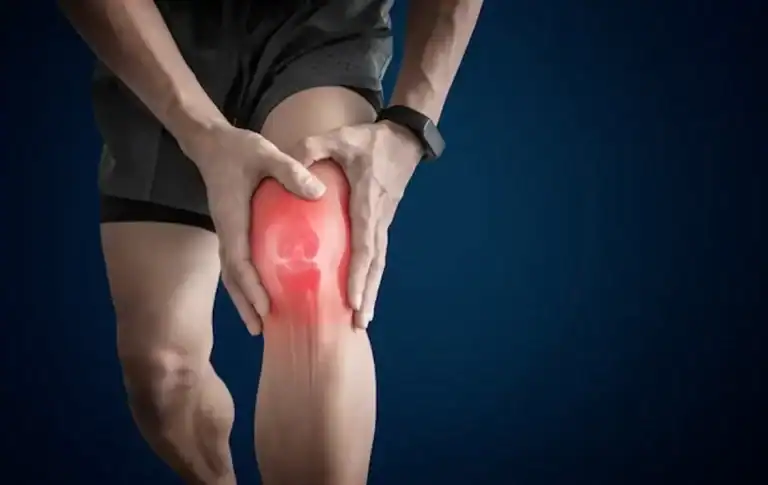
Knee pain is often associated with ageing or arthritis, but arthritis is far from the only reason your knees may hurt. People of all ages can experience knee pain because of sports injuries, ligament problems, cartilage damage, muscle weakness, overuse, poor movement patterns, or problems involving the kneecap. In some cases, the pain may even be coming from another part of the body, such as the hip or lower back. Understanding the actual knee pain causes is important because different conditions require different treatments. Ignoring persistent pain and continuing to put stress on the knee may allow a relatively manageable problem to become more difficult to treat. If you are experiencing recurring knee pain, swelling, stiffness, instability, clicking, or difficulty walking, consulting a qualified knee pain specialist in Ahmedabad can help identify the underlying problem and guide you toward appropriate treatment. At Mediheal Hospital, knee problems can be evaluated based on your symptoms, medical history, physical examination, and, when required, diagnostic imaging. The aim is not simply to control pain but to understand what is causing it and protect your knee function in the long term.
Is Knee Pain Always a Sign of Arthritis?
Not necessarily. Arthritis is one possible explanation for knee pain, but it is not the only one. A knee contains several structures that work together, including bones, ligaments, tendons, cartilage, menisci, muscles, and the kneecap. Injury or irritation to any of these structures can cause pain. For example, a sudden twist while playing sports may injure a ligament or meniscus. Repetitive running, squatting, or climbing stairs may contribute to patellofemoral pain. A previous injury may also leave cartilage or supporting tissues vulnerable to further problems. According to the American Academy of Orthopaedic Surgeons, patellofemoral pain syndrome can cause pain around the kneecap and may occur in athletes as well as people who do not participate in sports. This is why simply assuming that knee pain is “because of arthritis” can delay the correct diagnosis.
Common Knee Pain Causes Beyond Arthritis
Ligament Injury
- Ligaments connect bones and help stabilize the knee. The major knee ligaments include the anterior cruciate ligament (ACL), posterior cruciate ligament (PCL), medial collateral ligament (MCL), and lateral collateral ligament (LCL).
- A ligament injury can occur during sports, a fall, a sudden change of direction, or an awkward landing. ACL injuries, for example, are commonly associated with twisting movements or sudden stops.
- Symptoms may include sudden pain, swelling, a popping sensation, difficulty bearing weight, or a feeling that the knee is unstable. Some people describe the sensation as the knee “giving way.”
- A ligament injury should not be ignored simply because the pain improves after a few days. Depending on the severity of the injury, treatment may involve rest, rehabilitation and strengthening, bracing, or surgical management.
Meniscus Injury
- The menisci are crescent-shaped pieces of cartilage that act as shock absorbers between the thighbone and shinbone. A sudden twist or rotation can tear a meniscus, while gradual wear can also make the tissue more vulnerable.
- A meniscus injury may cause pain along the inside or outside of the knee, swelling, stiffness, clicking, catching, or difficulty fully straightening the leg.
- Some people continue walking despite a meniscus injury because the initial pain may not seem severe. However, persistent symptoms should be assessed, particularly when the knee repeatedly catches or locks.
Patellofemoral Pain Syndrome
- Patellofemoral pain syndrome is a common cause of pain around or behind the kneecap. It is sometimes called “runner’s knee,” although it can affect people who do not run or participate in sports.
- The pain often becomes noticeable while climbing stairs, squatting, running, jumping, or sitting for a long time with the knees bent. Some people also notice popping or crackling around the kneecap.
- The condition may be related to overuse, sudden increases in physical activity, muscle weakness or imbalance, or problems with the way the kneecap tracks within its groove.
- Treatment commonly focuses on modifying activities that trigger symptoms and improving strength and movement patterns through appropriate exercises. Surgery is rarely necessary for uncomplicated patellofemoral pain syndrome.
Cartilage Damage
- Cartilage provides a smooth surface that allows the bones in the knee to move against each other with less friction. Damage to this tissue can occur after an injury or because of repeated stress.
- Cartilage damage may cause pain, swelling, stiffness, catching, or a sensation that something is moving inside the joint. Damage behind the kneecap can also contribute to anterior knee pain.
- Cartilage problems deserve attention because cartilage has limited ability to repair itself. The appropriate treatment depends on the location, size, severity, and cause of the damage.
Tendon Problems
- Tendons connect muscles to bones, and the knee depends on several important tendons for movement and stability. Repetitive jumping, running, or other activities can place excessive stress on these tissues.
- Patellar tendinopathy, for example, can cause pain below the kneecap. Quadriceps tendon problems may cause pain above the kneecap.
- Tendon pain is often worse during activities that load the affected structure. Continuing the same activity without addressing the underlying problem can prolong recovery.
Muscle Weakness or Imbalance
- Sometimes the problem is not a major structural injury but the way the muscles around the knee are functioning.
- Weak quadriceps, hip muscles, or core muscles can affect lower-limb movement and place additional stress on the knee. Poor flexibility or muscle imbalance may also contribute to abnormal movement.
- This is particularly relevant for people who suddenly increase their exercise routine. Going from a largely inactive lifestyle to intense workouts can place more load on muscles and joints than they are prepared to handle.
Knee Pain After Exercise: Should You Be Concerned?
Mild muscle soreness after an unfamiliar workout is common. Knee pain, however, should not automatically be considered normal exercise soreness. If pain repeatedly appears during running, squatting, lunging, jumping, cycling, or climbing stairs, it is worth identifying why. A sudden increase in training intensity, changes in footwear, poor technique, or insufficient recovery may contribute to overuse-related knee problems. Patellofemoral pain, for instance, may become more noticeable after a change in activity level or repetitive knee-bending activities. A sensible approach is to reduce activities that clearly aggravate the pain rather than trying to “push through” it.
How Do You Know What Is Causing Your Knee Pain?
Knee pain can be difficult to diagnose based on symptoms alone because several conditions can produce similar sensations. A knee pain specialist in Ahmedabad may begin by asking when the pain started, whether there was an injury, where exactly the pain is located, what activities make it worse, and whether you have experienced swelling, clicking, locking, or instability. A physical examination can help assess knee movement, stability, alignment, muscle strength, tenderness, and the function of surrounding joints. Depending on the suspected condition, your doctor may recommend imaging. X-rays can help evaluate bones and certain joint changes, while MRI can provide detailed information about soft tissues such as ligaments, tendons, cartilage, and menisci. For patellofemoral pain syndrome, diagnosis is often based substantially on the history and physical examination, with imaging used when needed to rule out other problems or investigate persistent symptoms.
When Should You See a Knee Pain Specialist?
Not every episode of knee discomfort requires immediate medical attention. However, persistent or worsening symptoms deserve evaluation. You should consider seeing a specialist if:
Pain Keeps Coming Back
Pain that repeatedly returns after exercise, walking, climbing stairs, or sitting for prolonged periods may indicate an underlying problem.
Your Knee Swells
Significant or recurring swelling can occur with injuries involving internal knee structures. Marked swelling should not be dismissed as ordinary soreness.
Your Knee Gives Way
A feeling of instability or the knee suddenly giving way may indicate a problem involving ligaments or other stabilizing structures.
Your Knee Locks or Gets Stuck
Difficulty fully bending or straightening the knee, particularly when accompanied by catching or locking, should be evaluated.
You Cannot Bear Weight
If you cannot comfortably put weight on the affected leg after an injury, medical assessment is important.
Treatment for Knee Pain Without Arthritis
Treatment depends entirely on the underlying diagnosis. There is no single treatment that is appropriate for every type of knee pain.
Activity Modification and Rest
For many overuse-related problems, temporarily reducing activities that trigger pain can help the irritated tissues recover. This does not necessarily mean complete bed rest. The goal is usually to avoid aggravating movements while maintaining appropriate activity.
Physiotherapy and Exercise
Physiotherapy can be an important part of treatment for many knee conditions. A customized program may focus on strengthening the quadriceps, hamstrings, hip muscles, and other supporting muscles while improving flexibility, balance, and movement mechanics. For patellofemoral pain, therapeutic exercise and activity modification are commonly used conservative approaches.
Bracing or Support
In selected ligament injuries or instability problems, a brace may provide additional support. However, braces should be recommended based on the individual’s diagnosis rather than used as a substitute for evaluation.
Medicines
Depending on the cause and the individual’s health, a doctor may recommend medication to control pain or inflammation. Medicines should be used according to professional advice, particularly if you have other medical conditions or take other medications.
Injections or Advanced Treatments
Some knee conditions may be considered for injection-based or other minimally invasive treatments when appropriate. The choice depends on the specific diagnosis, severity, age, activity level, and previous treatment.
Surgery
Surgery is not automatically required when someone has knee pain. Many conditions can improve with non-surgical treatment. However, certain significant ligament injuries, meniscus problems, cartilage injuries, or persistent mechanical symptoms may require surgical evaluation. For example, surgery for patellofemoral pain is generally reserved for severe cases that do not respond to appropriate non-surgical treatment.
Can Knee Pain Be Prevented?
- You cannot prevent every knee injury, but several habits can reduce unnecessary stress on the joint.
- Warm up before strenuous exercise and increase training intensity gradually rather than making sudden changes. Strengthening the muscles around the hips and knees can improve support and movement control.
- Good technique is also important. If an exercise repeatedly causes knee pain, consider reviewing your form with a qualified physiotherapist or trainer.
- Wearing suitable footwear for your activity may also help. Mayo Clinic recommendations for reducing the risk of patellofemoral pain include gradual increases in activity, strengthening, stretching, warming up, appropriate footwear, and maintaining a healthy weight when appropriate.
- Most importantly, don’t ignore recurring pain simply because you are young or physically active. Knee problems are not limited to older adults.
Why Early Evaluation Matters
One of the most common mistakes people make is waiting until knee pain becomes severe before seeking professional advice. A small injury may initially cause only mild discomfort. You may continue walking, working, exercising, or playing sports because the pain seems manageable. But repeatedly stressing an injured structure can interfere with recovery. Early assessment can help distinguish between a temporary overuse problem and an injury that needs structured treatment. It can also help you avoid unnecessary treatments based on the assumption that the pain is caused by arthritis. If you have ongoing knee discomfort and want to understand the actual knee pain causes, consulting a knee pain specialist in Ahmedabad can be an important first step toward appropriate diagnosis and treatment.
Take Care of Your Knees Before Pain Limits Your Life
- Your knees support you through everyday activities that are easy to take for granted—walking, climbing stairs, getting up from a chair, exercising, and even simply standing.
- Knee pain without arthritis can have many causes, including ligament injury, meniscus tears, patellofemoral pain syndrome, cartilage damage, tendon problems, muscle weakness, and overuse. The right treatment begins with identifying the right cause.
- Don’t assume that recurring knee pain is simply a part of ageing or something you have to live with. If pain is persistent, worsening, associated with swelling or instability, or interfering with daily activities, professional evaluation can help you understand what is happening inside your knee.
- Mediheal Hospital provides access to medical evaluation and orthopedic care for patients dealing with musculoskeletal and knee-related concerns. To learn more about available services, visit Mediheal Hospital.
Frequently Asked Questions About Knee Pain Without Arthritis
Can knee pain occur without arthritis?
Yes. Knee pain can result from ligament injuries, meniscus tears, cartilage problems, tendon conditions, patellofemoral pain syndrome, muscle weakness, overuse, and other conditions.
What is the most common cause of knee pain in younger people?
There is no single cause for everyone. Sports injuries, overuse, patellofemoral pain syndrome, tendon problems, and ligament injuries are among the possibilities. The cause depends on the person’s symptoms, activities, age, and medical history.
What does patellofemoral pain syndrome feel like?
It commonly causes a dull or aching pain around the front of the knee or kneecap. Pain may become worse when climbing stairs, squatting, running, jumping, or sitting for a long period with the knee bent.
Can a ligament injury heal without surgery?
Some ligament injuries can be managed without surgery, depending on which ligament is injured, the severity of the injury, knee stability, activity requirements, and other factors. A specialist can determine the appropriate treatment after evaluation.
Does cartilage damage always require surgery?
No. Treatment depends on the location and severity of the cartilage injury, symptoms, age, activity level, and response to non-surgical treatment. Surgery may be considered for selected cases, but it is not automatically necessary.
Should I exercise if my knee hurts?
It depends on the cause of the pain. Continuing activities that clearly worsen knee pain may aggravate some conditions. A healthcare professional or physiotherapist can recommend appropriate exercises based on your diagnosis.
When should I see a knee pain specialist in Ahmedabad?
Consider an evaluation if your pain persists or repeatedly returns, especially if you experience swelling, instability, locking, difficulty bearing weight, reduced movement, or pain that interferes with everyday activities.
Can knee pain be caused by something other than the knee?
Yes. Pain may sometimes be referred from areas such as the hip or lower back. Other medical conditions can also produce knee symptoms, which is one reason a proper evaluation is useful.
Is knee pain always worse with movement?
No. The pattern varies according to the cause. Some knee conditions primarily hurt during activity, while others can cause discomfort at rest or stiffness after periods of inactivity.
What is the first step in treating unexplained knee pain?
The first step is identifying the underlying cause. A specialist can review your symptoms and injury history, perform a physical examination, and recommend imaging or other investigations when necessary. Once the cause is established, treatment can be tailored to your condition rather than treating the pain blindly.