
Osteoporosis Explained: How Weak Bones Increase Fracture Risk After 50
As we age, maintaining strong and healthy bones becomes increasingly important. Many people assume that weak bones are a natural part of getting older, but significant bone loss is often caused by osteoporosis, a silent disease that develops gradually without noticeable symptoms. It is estimated that millions of people worldwide suffer from osteoporosis, yet many remain unaware until they experience a painful fracture. After the age of 50, the risk of fractures caused by weakened bones rises dramatically. A minor fall, sudden twist, or even lifting a heavy object can result in a broken wrist, hip, or spine. Fortunately, osteoporosis is both preventable and manageable with early diagnosis, healthy lifestyle choices, and appropriate medical care. If you or your loved ones are experiencing persistent back pain, loss of height, or frequent fractures, seeking timely medical evaluation is essential. At Mediheal Hospital, experienced orthopedic specialists provide comprehensive diagnosis, bone density test evaluations, advanced treatment, and rehabilitation to help patients regain strength and reduce future fracture risks.
What is Osteoporosis?
Osteoporosis is a chronic bone disease in which bones become weak, porous, and fragile due to the loss of bone mass and deterioration of bone tissue. Healthy bones constantly rebuild themselves by replacing old bone with new bone. However, with aging, this balance shifts, causing bone loss to occur faster than new bone formation.
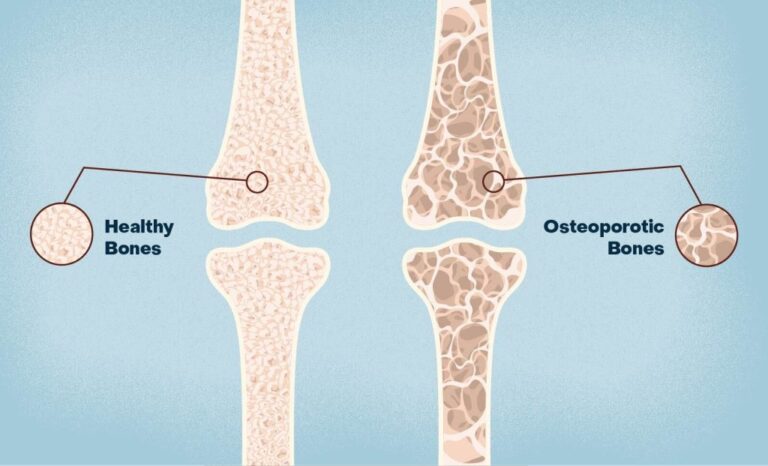
The term “osteoporosis” literally means “porous bone.” Under a microscope, healthy bone resembles a honeycomb with small spaces. In osteoporosis, these spaces become much larger, making bones thinner, weaker, and more likely to break.
Because osteoporosis develops silently over many years, it is often referred to as the “silent disease.” Most individuals discover they have osteoporosis only after suffering a fracture.
Why Does Osteoporosis Become More Common After Age 50?
Bone mass naturally peaks during the late twenties or early thirties. After this stage, bone breakdown slowly begins to exceed bone formation.
Several age-related factors contribute to osteoporosis:
Natural Aging
As people age, bone regeneration slows significantly, causing bones to lose minerals such as calcium and phosphorus.
Hormonal Changes
Women experience a rapid decline in estrogen after menopause. Estrogen plays a crucial role in protecting bone density, making postmenopausal women particularly vulnerable to osteoporosis.
Men also experience gradual decreases in testosterone levels, which can contribute to bone loss over time.
Reduced Calcium Absorption
Older adults absorb less calcium from food, making calcium deficiency one of the major contributors to bone weakening.
Vitamin D Deficiency
Vitamin D helps the body absorb calcium efficiently. Limited sunlight exposure, poor diet, and aging reduce Vitamin D levels.
Less Physical Activity
Bones remain strong through regular weight-bearing activities. A sedentary lifestyle accelerates bone loss.
How Healthy Bones Stay Strong
Bones are living tissues that continuously undergo remodeling.
There are two important types of cells:
Osteoclasts remove old bone.
Osteoblasts build new bone.
In healthy adults, these processes remain balanced.
In osteoporosis:
Bone destruction becomes faster.
Bone formation slows down.
Bone mineral density decreases.
Bones become fragile and susceptible to fractures.
Common Osteoporosis Symptoms
One of the biggest challenges is that osteoporosis symptoms usually do not appear until bones have already weakened considerably.
Early warning signs may include:
Frequent Back Pain
Compression fractures in the spine often cause persistent or unexplained back pain.
Loss of Height
People may gradually lose several centimeters in height due to spinal fractures.
Stooped Posture
A curved upper back, commonly known as a “dowager’s hump,” develops due to collapsed vertebrae.
Easily Broken Bones
A simple fall from standing height may result in fractures of:
Hip
Wrist
Spine
Shoulder
Pelvis
Reduced Mobility
Pain and fractures may significantly affect walking, climbing stairs, and performing daily activities.
Many patients experience no warning signs before their first fracture, making early screening extremely important.
Risk Factors for Osteoporosis
Several factors increase the likelihood of developing osteoporosis.
Non-Modifiable Risk Factors
Age above 50
Female gender
Family history
Early menopause
Small body frame
Previous fractures
Lifestyle Risk Factors
Smoking
Excessive alcohol consumption
Lack of exercise
Poor nutrition
Low calcium intake
Vitamin D deficiency
Medical Conditions
Certain diseases increase osteoporosis risk:
Rheumatoid arthritis
Hyperthyroidism
Chronic kidney disease
Gastrointestinal disorders affecting nutrient absorption
Medications
Long-term use of certain medicines may weaken bones, including:
Corticosteroids
Anti-seizure medications
Some cancer treatments
Proton pump inhibitors (long-term use)
Understanding Bone Density Loss
Bone density refers to the amount of minerals present inside bones.
Higher bone density generally means stronger bones.
As density decreases:
Bones become thinner.
Bone architecture weakens.
Fracture risk rises.
The most accurate method of measuring bone density is a bone density test, also known as a DEXA scan.
Bone Density Test: Why Early Diagnosis Matters
A bone density test is painless, quick, and highly effective for diagnosing osteoporosis before fractures occur.
Doctors generally recommend screening for:
Women aged 65 and older
Men above 70
Adults over 50 with fracture history
Individuals taking long-term steroids
Patients with multiple osteoporosis risk factors
During the scan:
Low-dose X-rays measure bone mineral density.
Common testing areas include the hip and spine.
The procedure usually takes around 15–20 minutes.
Early diagnosis allows treatment before serious complications develop.
How Osteoporosis Increases Fracture Risk
Healthy bones can tolerate everyday stress without breaking.
In osteoporosis, even minor trauma may cause fractures.
Common osteoporotic fractures include:
Hip Fractures
Hip fractures are among the most serious complications.
Possible consequences include:
Surgery
Long hospital stays
Loss of independence
Reduced mobility
Increased mortality in elderly patients
Spine Fractures
Compression fractures may occur without any major injury.
Patients often experience:
Severe back pain
Height loss
Curved posture
Difficulty standing
Wrist Fractures
People commonly break their wrist after attempting to prevent a fall with an outstretched hand.
Shoulder and Pelvic Fractures
These injuries significantly affect mobility and quality of life.
Complications of Untreated Osteoporosis
Ignoring osteoporosis can lead to serious long-term health consequences.
Complications include:
Chronic pain
Permanent disability
Multiple fractures
Reduced independence
Difficulty walking
Poor quality of life
Depression
Increased risk of hospitalization
Early treatment greatly reduces these complications.
Osteoporosis Treatment in Ahmedabad
If diagnosed early, osteoporosis can be effectively managed with a combination of medication, nutrition, lifestyle changes, and physical therapy. Patients seeking osteoporosis treatment in Ahmedabad can benefit from comprehensive orthopedic care at Mediheal Hospital, where specialists create personalized treatment plans based on bone density, fracture risk, age, and overall health.
Treatment aims to:
Slow bone loss
Increase bone strength
Prevent fractures
Improve balance and mobility
Reduce pain
Common treatment options include:
Medications
Doctors may prescribe medicines that help:
Reduce bone breakdown
Stimulate new bone formation
Increase bone mineral density
Medication selection depends on the patient’s age, fracture history, and overall health.
Calcium Supplements
Many patients require calcium supplementation to meet their daily needs.
Recommended intake generally ranges between 1,000–1,200 mg daily, depending on age and medical advice.
Vitamin D Therapy
Vitamin D improves calcium absorption and supports bone strength.
Doctors may recommend supplements after evaluating blood levels.
Physical Therapy
Exercise programs improve:
Balance
Muscle strength
Walking ability
Joint flexibility
This significantly lowers fall risk.
Pain Management
Patients with spinal fractures may require medications, supportive braces, or rehabilitation for pain relief.
The Role of Nutrition in Bone Health
Diet plays a critical role in preventing osteoporosis and supporting treatment.
Foods rich in calcium include:
Milk
Yogurt
Cheese
Paneer
Ragi
Sesame seeds
Almonds
Tofu
Green leafy vegetables
Vitamin D sources include:
Sunlight exposure
Egg yolks
Fatty fish
Fortified dairy products
Protein is equally important because muscles help protect bones.
Good protein sources include:
Lentils
Beans
Eggs
Dairy products
Soy products
Limiting excessive salt, sugary beverages, and processed foods can also support long-term bone health.
Exercise for Stronger Bones
Regular exercise remains one of the most effective natural strategies for maintaining healthy bones.
Recommended activities include:
Weight-Bearing Exercises
Walking
Jogging
Dancing
Stair climbing
Strength Training
Resistance exercises stimulate bone formation while strengthening muscles.
Balance Exercises
Improved balance reduces falls.
Examples include:
Tai Chi
Heel-to-toe walking
Standing on one leg
Flexibility Exercises
Gentle stretching maintains joint mobility and posture.
Patients with osteoporosis should always consult a healthcare provider before beginning new exercise routines.
Fracture Prevention Tips After 50
Fracture prevention involves more than strengthening bones—it also means reducing the likelihood of falls and injuries.
Simple preventive measures include:
Remove loose rugs and clutter at home.
Install grab bars in bathrooms.
Use non-slip footwear.
Ensure adequate lighting throughout the house.
Have regular vision and hearing check-ups.
Exercise regularly to improve balance and muscle strength.
Take prescribed osteoporosis medications consistently.
Avoid smoking and limit alcohol intake.
Even small lifestyle modifications can significantly reduce fracture risk.
Who Should See an Orthopedic Specialist?
Consult an orthopedic doctor if you experience:
Recurrent fractures
Persistent back pain
Noticeable height loss
Stooped posture
Family history of osteoporosis
Long-term steroid use
Menopause before age 45
Symptoms of calcium deficiency
Abnormal bone density test results
Early consultation helps prevent severe complications.
Why Choose Mediheal Hospital for Osteoporosis Care?
Mediheal Hospital provides patient-centered orthopedic care with a focus on early diagnosis, effective treatment, and long-term bone health.
Patients benefit from:
Experienced orthopedic specialists
Advanced diagnostic imaging and bone density test facilities
Personalized treatment plans
Comprehensive fracture management
Physiotherapy and rehabilitation support
Patient education for lifelong bone health
Whether you need preventive care or advanced osteoporosis treatment in Ahmedabad, Mediheal Hospital is committed to helping you maintain strong bones and an active lifestyle.
Conclusion
Osteoporosis is a silent but serious condition that significantly increases fracture risk after the age of 50. Although bone loss is a natural part of aging, severe osteoporosis is not inevitable. With early screening, a balanced diet, regular exercise, adequate calcium and vitamin D intake, and timely medical treatment, many fractures can be prevented.
If you have risk factors, notice osteoporosis symptoms, or have already experienced a fracture, don’t wait for another injury to occur. A timely bone density test and expert consultation can make all the difference. At Mediheal Hospital, patients receive comprehensive care aimed at strengthening bones, preventing fractures, and improving quality of life through evidence-based osteoporosis treatment in Ahmedabad.
Frequently Asked Questions (FAQs)
What are the early osteoporosis symptoms?
Osteoporosis often has no noticeable symptoms in its early stages. As the disease progresses, people may experience back pain, loss of height, stooped posture, or fractures after minor injuries.
What is a bone density test?
A bone density test (DEXA scan) is a painless imaging test that measures bone mineral density to diagnose osteoporosis and assess fracture risk.
Who is at the highest risk of osteoporosis?
Postmenopausal women, adults over 50, individuals with a family history of osteoporosis, people with calcium deficiency, long-term steroid users, and those with sedentary lifestyles are at higher risk.
Can osteoporosis be cured?
Osteoporosis cannot usually be completely cured, but it can be effectively managed with medications, proper nutrition, exercise, and regular monitoring to reduce bone loss and prevent fractures.
How can I prevent fractures if I have osteoporosis?
You can reduce fracture risk by following your prescribed treatment plan, exercising regularly, eating a calcium-rich diet, maintaining adequate vitamin D levels, and making your home safer to prevent falls.
When should I get a bone density test?
Women aged 65 and above, men over 70, adults over 50 with previous fractures, and individuals with multiple osteoporosis risk factors should discuss a bone density test with their doctor.
Is osteoporosis treatment in Ahmedabad available at Mediheal Hospital?
Yes. Mediheal Hospital offers comprehensive osteoporosis treatment in Ahmedabad, including diagnosis through bone density testing, personalized treatment plans, medication management, rehabilitation, and fracture prevention strategies.
Can calcium deficiency cause osteoporosis?
Yes. Long-term calcium deficiency weakens bones by reducing bone mineral density, making osteoporosis and fractures more likely, especially when combined with low vitamin D levels or aging.