
Rotator Cuff Surgery: When Is Surgery Needed for a Shoulder Tear?
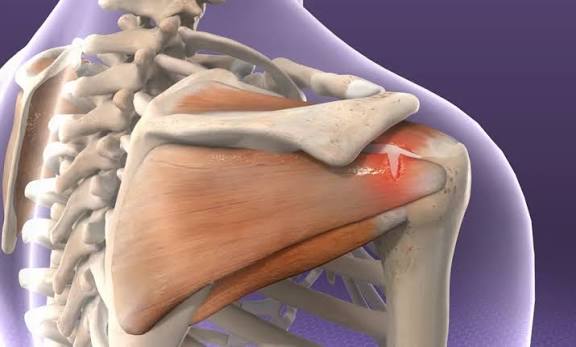
Shoulder pain can make even simple daily activities difficult. Tasks such as combing your hair, getting dressed, lifting a bag, reaching overhead, or sleeping comfortably may become challenging when the shoulder is injured. One possible cause of these problems is a rotator cuff tear, an injury involving the group of muscles and tendons that help you move and stabilise your shoulder.
Rotator cuff surgery may be recommended when a shoulder tendon tear causes persistent pain, weakness, or difficulty moving the arm, particularly when non-surgical treatments have not provided enough relief. However, not every rotator cuff tear requires an operation. The right treatment depends on the size of the tear, the severity of symptoms, the patient’s activity level, and the overall condition of the shoulder.
At Mediheal Hospital, understanding the cause of shoulder pain is an important step towards choosing appropriate treatment. This guide explains rotator cuff injuries, their symptoms, available treatment options, when rotator cuff repair surgery may be necessary, and what patients can expect during recovery.
What Is the Rotator Cuff?
The rotator cuff is a group of four muscles and their tendons that surround the shoulder joint. These structures help keep the upper arm bone securely positioned within the shoulder socket while allowing the arm to rotate, lift, and reach in different directions. They play an important role in everyday activities, sports, and many types of physical work.
The rotator cuff tendons can become irritated, weakened, or torn because of an injury, repeated overhead movements, or age-related changes. When one or more tendons are damaged, the shoulder may become painful and weak, making normal movement difficult.
A rotator cuff tear may be partial, meaning the tendon is damaged but not completely separated, or full-thickness, meaning the tear extends through the entire thickness of the tendon. Some tears develop suddenly after a fall or lifting a heavy object, while others develop gradually over time.
What Causes a Rotator Cuff Tear?
Rotator cuff tears can occur for several reasons. Understanding the cause helps doctors assess the injury and recommend an appropriate treatment plan.
Age-Related Wear and Tear
As people grow older, the rotator cuff tendons may gradually weaken due to natural changes in tendon structure and blood supply. Repeated everyday movements can place stress on these tendons, eventually contributing to a tear. Some people develop degenerative tears without experiencing a specific injury.
Sports and Repetitive Overhead Activities
Sports such as swimming, tennis, badminton, and cricket may involve frequent overhead movements that place repeated stress on the shoulder. Certain occupations, including painting, construction, and overhead installation work, can also increase the risk of tendon irritation and injury.
Sudden Shoulder Injury
A fall onto an outstretched arm, a direct impact to the shoulder, or lifting a heavy object unexpectedly can cause an acute rotator cuff tear. Sudden pain and weakness following an injury may indicate a more significant problem that requires prompt medical assessment.
Repeated Shoulder Strain
Repetitive movements without adequate rest may contribute to tendon irritation and gradual damage. Poor movement mechanics, previous shoulder injuries, and reduced shoulder strength can also influence symptoms and recovery.
What Are the Symptoms of a Rotator Cuff Tear?
The symptoms of a rotator cuff tear vary according to the severity and location of the injury. Some people experience mild discomfort, while others develop significant pain and weakness that interferes with daily life.
Shoulder Pain
Pain is one of the most common symptoms. It may occur on the outer side of the shoulder or upper arm and can become more noticeable when lifting the arm, reaching behind the back, or performing overhead activities. Some people also experience pain while lying on the affected shoulder.
Weakness in the Arm
A damaged tendon can make it difficult to lift or rotate the arm. You may notice that carrying groceries, lifting objects onto a shelf, or performing routine household tasks requires more effort than usual.
Limited Shoulder Movement
A rotator cuff tear may make it uncomfortable to reach overhead, dress, or move the arm behind the body. Restricted movement can result from pain, weakness, or associated shoulder stiffness.
Pain at Night
Shoulder discomfort may become worse at night, especially when sleeping on the injured side. Persistent night pain can disturb sleep and affect daily energy levels.
Clicking or Unusual Shoulder Sensations
Some people experience clicking, catching, or unusual sensations when moving the shoulder. These symptoms are not specific to a rotator cuff tear, but when accompanied by pain or weakness, they may warrant an examination.
If shoulder pain develops suddenly after an injury and you cannot lift your arm, seek prompt medical assessment. Severe pain, visible deformity, or suspected dislocation also requires urgent evaluation.
How Is a Rotator Cuff Tear Diagnosed?
Accurate diagnosis is essential before deciding whether rotator cuff surgery is necessary. Shoulder pain can arise from several conditions, including tendon inflammation, bursitis, arthritis, frozen shoulder, and other tendon injuries. A clinical assessment helps distinguish between these possibilities.
Physical Examination
The doctor will ask about your symptoms, previous injuries, daily activities, and the movements that cause pain. The examination may include checking shoulder movement, muscle strength, tenderness, and the ability to lift or rotate the arm.
X-Ray
An X-ray can help identify bone abnormalities, arthritis, bone spurs, or other conditions that may contribute to shoulder pain. However, X-rays do not directly show most rotator cuff tendon tears.
Ultrasound or MRI
Ultrasound may help assess the rotator cuff tendons and identify certain tears. Magnetic resonance imaging (MRI) provides detailed images of the soft tissues and can help determine the size and location of a tear, tendon retraction, and associated muscle changes.
The doctor may recommend imaging based on the examination findings, the suspected severity of the injury, and whether surgery is being considered.
What Is Rotator Cuff Surgery?
Rotator cuff surgery is a procedure used to repair a torn shoulder tendon when surgical treatment is considered appropriate. The goal is to relieve symptoms, restore tendon attachment where possible, and improve shoulder strength and function.
During rotator cuff repair surgery, the surgeon typically reattaches the torn tendon to the upper arm bone using specialised anchors and sutures. The exact technique depends on the tear, tendon condition, and the patient’s individual needs.
Surgery does not guarantee complete pain relief or a full return to previous strength. Recovery depends on several factors, including the size of the tear, tendon quality, overall health, and participation in rehabilitation.
When Is Surgery Needed for a Rotator Cuff Tear?
Not every rotator cuff tear requires surgery. Many patients improve with rest, activity modification, medication when appropriate, and physiotherapy. However, surgery may be recommended when the injury is more severe or symptoms continue to affect quality of life.
When Non-Surgical Treatment Does Not Work
If shoulder pain, weakness, or restricted movement continues despite an appropriate course of non-surgical treatment, the doctor may discuss rotator cuff surgery. Persistent symptoms can interfere with work, sleep, sports, and routine activities.
When There Is a Significant Tear
A large or full-thickness tear may benefit from surgical assessment, particularly when it causes substantial weakness or loss of function. The decision depends on the tear’s characteristics, the patient’s age and activity level, and whether the tendon can be repaired successfully.
When the Tear Occurs After an Injury
A sudden injury that causes immediate pain and marked weakness may result in an acute rotator cuff tear. In suitable patients, early specialist assessment is important because some traumatic tears are best considered for repair before the tendon retracts further or muscle changes progress.
When Daily Activities Become Difficult
Surgery may be considered when a person cannot comfortably perform important daily tasks, such as lifting the arm, dressing, reaching overhead, or carrying light objects. The aim is to improve useful shoulder function, not simply to treat an abnormal scan.
When the Patient Has High Physical Demands
People who perform physically demanding work or participate in overhead sports may need greater shoulder strength and endurance. If a repairable tear significantly limits these activities, surgery may be discussed after considering the likely benefits, risks, and rehabilitation requirements.
The final decision should be made after a clinical examination and appropriate imaging. A tear on an MRI does not automatically mean an operation is required, particularly when symptoms are mild or the tear is unrelated to the patient’s pain.
Can a Rotator Cuff Tear Heal Without Surgery?
Yes, many people with rotator cuff tears can manage their symptoms without an operation. The appropriate approach depends on the type of tear, its severity, and the person’s functional needs.
A partial tear or a degenerative tear with manageable symptoms may respond to conservative treatment. However, a completely torn tendon may not reconnect to the bone naturally, even if the pain improves. Non-surgical treatment can still help reduce discomfort and improve function by strengthening the surrounding muscles and improving shoulder movement.
Patients should understand the difference between symptom improvement and tendon healing. Reduced pain does not necessarily mean the tendon has structurally healed. Follow-up may be appropriate when weakness persists or symptoms worsen.
Non-Surgical Treatment Options for Rotator Cuff Tears
Before recommending surgery, the doctor may suggest a structured non-surgical treatment plan, especially for smaller tears or injuries without significant loss of function.
Rest and Activity Modification
Temporarily avoiding painful overhead activities and heavy lifting can reduce stress on the injured tendon. Complete immobilisation for long periods is generally not advisable unless specifically directed by a clinician, because excessive inactivity may lead to stiffness.
Medication for Pain Relief
A doctor may recommend appropriate pain-relieving or anti-inflammatory medication based on the patient’s symptoms and medical history. These medicines may help control pain but do not repair a torn tendon. They may not be suitable for everyone, particularly people with certain stomach, kidney, heart, or bleeding-related conditions.
Physiotherapy
Physiotherapy is an important part of both non-surgical and post-surgical care. A tailored programme may include gentle range-of-motion exercises, shoulder blade control, and gradual strengthening of the rotator cuff and surrounding muscles. Exercises should be selected by a qualified professional to avoid aggravating the injury.
Injections in Selected Cases
In some situations, a clinician may consider a corticosteroid injection to provide short-term pain relief and help the patient participate in rehabilitation. Injections are not suitable for every patient, and repeated injections may have disadvantages for tendon health. The decision should be made after reviewing the diagnosis and treatment plan.
If these approaches do not provide adequate relief, or if the tear is associated with substantial weakness or a significant traumatic injury, a specialist may recommend discussing surgical options.
Types of Rotator Cuff Repair Surgery
The surgical technique is selected according to the size and location of the tear, the condition of the tendon, and the surgeon’s assessment.
Arthroscopic Rotator Cuff Repair
Arthroscopic rotator cuff repair is a minimally invasive technique performed through small incisions using a camera and specialised instruments. The surgeon examines the shoulder joint and repairs the tendon using sutures and anchors when appropriate.
This technique may reduce soft-tissue disruption compared with traditional open surgery. However, the suitability of arthroscopic repair depends on the injury, and it does not eliminate the need for a structured recovery programme.
Mini-Open Rotator Cuff Repair
A mini-open repair combines arthroscopic assessment or treatment with a small incision to access and repair the tendon. It may be appropriate for selected injuries, depending on the surgeon’s approach and the patient’s anatomy.
Open Rotator Cuff Repair
Open repair involves a larger incision to access the damaged tendon directly. It may be considered for certain complex or extensive tears, or when the surgeon determines that an open approach is more appropriate.
Treatment for Irreparable Tears
Some large or chronic tears cannot be repaired directly because of tendon retraction, poor tissue quality, or advanced muscle changes. Depending on symptoms, age, joint condition, and functional needs, alternative procedures or continued non-surgical management may be considered. These decisions require individual specialist assessment.
What Happens During Rotator Cuff Surgery?
Before surgery, the medical team reviews the diagnosis, medical history, medications, and fitness for anaesthesia. The patient receives instructions about fasting, regular medicines, and preparation for the procedure.
The operation is performed under anaesthesia, often with a regional nerve block to help control pain. During the procedure, the surgeon assesses the shoulder and repairs the tendon when feasible. The exact steps depend on the surgical technique and the condition of the damaged tissues.
After surgery, the arm is commonly supported in a sling to protect the repair. The medical team provides instructions about pain management, wound care, arm movement, and follow-up appointments. Patients should follow these instructions carefully because excessive movement or loading too early may interfere with healing.
Recovery After Rotator Cuff Surgery
Recovery after rotator cuff repair takes time because the tendon needs to heal back to the bone. Rehabilitation is gradual, and the timetable varies according to the tear size, repair technique, and individual healing.
First Few Weeks After Surgery
During the early recovery period, the arm may need to remain in a sling for several weeks, depending on the repair and the surgeon’s protocol. Patients should protect the shoulder, follow wound-care instructions, and take prescribed medicines as directed.
Only the movements approved by the treating team should be performed. Some patients begin supervised passive shoulder movement early, while others require a more protective approach. Do not begin strengthening exercises without medical or physiotherapy guidance.
Regaining Shoulder Movement
As healing progresses, physiotherapy may introduce passive and assisted movements before progressing to active movement. The aim is to improve flexibility while protecting the repaired tendon.
Some stiffness and discomfort may occur during rehabilitation. Exercises should be progressed gradually rather than forced through significant pain.
Strengthening the Shoulder
Strengthening usually begins later, once the surgeon or physiotherapist determines that the repair has healed sufficiently. Exercises may target the rotator cuff, shoulder blade muscles, and other structures that support shoulder movement.
Heavy lifting, overhead work, and sports are generally reintroduced gradually. Many patients require several months to recover functional strength, and recovery after a large tear can take longer.
Returning to Work and Sports
The timing of return to work depends on job requirements. People with desk-based roles may return earlier than those whose work involves lifting, repetitive overhead movements, or physical labour. Returning to sport also requires adequate movement, strength, and clinical clearance.
Attend follow-up appointments even if the shoulder feels better. Following the rehabilitation plan is an important part of protecting the repair and achieving the best possible functional outcome.
What Are the Risks of Rotator Cuff Surgery?
Rotator cuff surgery is commonly performed, but like all operations, it carries potential risks. These may include infection, bleeding, stiffness, persistent pain, nerve or blood vessel injury, complications related to anaesthesia, and failure of the tendon to heal.
A repaired tendon can also tear again, particularly when the original tear is large, tendon quality is poor, or the shoulder is overloaded before healing is complete. Smoking and certain health conditions may affect healing.
The surgeon will explain the benefits and risks in relation to the individual injury. Patients should discuss any existing medical conditions, smoking, allergies, and medicines before surgery.
After the operation, contact the treating team promptly if you develop fever, increasing redness or drainage from the wound, worsening uncontrolled pain, or new numbness. Chest pain, breathing difficulty, or sudden severe symptoms require emergency medical attention.
Why Choose Specialist Shoulder Care at Mediheal Hospital?
Effective treatment begins with identifying the actual cause of shoulder pain. A careful assessment helps determine whether symptoms are due to a rotator cuff tear, another tendon problem, arthritis, or a different shoulder condition.
At Mediheal Hospital, patients can seek medical evaluation for persistent shoulder pain, weakness, and restricted movement. Depending on the clinical findings, the care plan may include diagnostic imaging, conservative treatment, physiotherapy, or referral for an appropriate surgical procedure.
Treatment decisions should be personalised rather than based on imaging findings alone. Patients should understand their diagnosis, the expected benefits of treatment, recovery requirements, and the possible risks before choosing a procedure.
If shoulder pain is affecting your daily routine or you have developed weakness after an injury, arranging a medical assessment can help you understand the available treatment options.
Frequently Asked Questions About Rotator Cuff Surgery
1. When is surgery necessary for a rotator cuff tear?
Surgery may be recommended when a tear causes significant weakness, persistent pain, or difficulty performing daily activities despite appropriate non-surgical treatment. An acute traumatic tear with substantial weakness may need early specialist assessment. Not every tear requires surgery.
2. Can a rotator cuff tear heal naturally?
Some partial tears and degenerative tears can be managed successfully without surgery, although the tendon may not return to its original structure. A full-thickness tear generally does not reconnect to the bone naturally, but symptoms and function may improve with suitable treatment and rehabilitation.
3. How long does rotator cuff surgery take?
The duration depends on the size and complexity of the tear, the surgical technique, and whether other procedures are required. The treating surgeon can provide a more accurate estimate after reviewing the imaging and examination findings.
4. How long does recovery after rotator cuff repair take?
Recovery commonly takes several months. Sling use and movement restrictions may continue for several weeks, followed by progressive physiotherapy. Returning to heavy work or overhead sports can take longer, particularly after a large or complex repair.
5. Is arthroscopic rotator cuff surgery better than open surgery?
Arthroscopic repair uses small incisions and a camera, while open repair uses a larger incision to access the tendon. The most suitable technique depends on the tear and the surgeon’s assessment. Both approaches aim to repair the tendon when possible.
6. Can I move my arm after rotator cuff surgery?
Movement is usually restricted initially to protect the repair. Some patients are allowed supervised passive movement, while others need a more protective rehabilitation protocol. Follow your surgeon’s and physiotherapist’s instructions rather than moving or exercising the shoulder independently.
7. What happens if a rotator cuff tear is left untreated?
Some tears remain manageable, while others may lead to persistent pain, weakness, reduced function, or progression of tendon damage. A significant tear may become more difficult to repair over time. Medical assessment helps determine whether monitoring, physiotherapy, or surgery is appropriate.
8. Is rotator cuff surgery painful?
Pain and discomfort are common during the initial recovery period, but they are managed with prescribed medicines and appropriate postoperative care. Pain usually changes as healing progresses. Severe or worsening pain should be discussed with the treating team.
9. Can physiotherapy prevent rotator cuff surgery?
Physiotherapy can improve shoulder movement, strength, and function and may help many patients avoid surgery. However, it cannot reliably reconnect a completely torn tendon to the bone. The need for surgery depends on the injury and the patient’s symptoms and goals.
10. When should I see a doctor for shoulder pain?
Seek an assessment if shoulder pain persists, repeatedly disturbs sleep, limits arm movement, or is associated with weakness. Sudden severe pain or an inability to lift the arm after an injury requires prompt evaluation.
Conclusion
Rotator cuff tears can affect sleep, work, exercise, and everyday activities, but treatment does not always require surgery. The right approach depends on the severity of the tear, the symptoms, the patient’s physical demands, and the response to conservative care.
Rotator cuff surgery may be an appropriate option when a repairable tear causes substantial weakness or persistent symptoms, or when an acute injury requires timely intervention. Accurate diagnosis, individualised treatment, and a well-planned rehabilitation programme are essential for recovery.
If you are experiencing ongoing shoulder pain or suspect a shoulder tendon tear, consult a qualified orthopaedic specialist at Mediheal Hospital to understand your diagnosis and discuss suitable treatment options.