
Salivary Gland Stones and Tumors: Symptoms, Diagnosis & Treatment
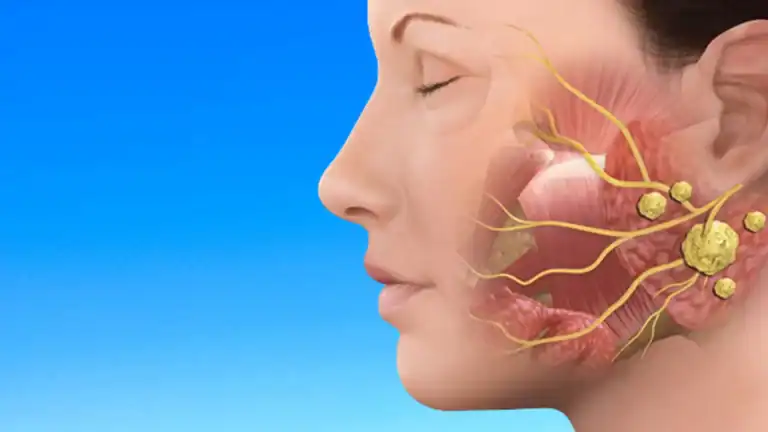
Salivary glands play an essential role in maintaining oral health by producing saliva, which helps with digestion, speaking, swallowing, and protecting the mouth from infections. However, these glands can sometimes develop conditions such as stones (sialolithiasis) or tumors that interfere with their normal function. While salivary gland stones are usually non-cancerous and treatable, tumors can be either benign or malignant, making early diagnosis extremely important. Many people ignore persistent salivary gland swelling, pain near the jaw or ears, or difficulty eating, assuming these symptoms will resolve on their own. Unfortunately, delaying treatment may lead to infections, chronic discomfort, or more complex health issues. Consulting an experienced Head and neck surgeon in Ahmedabad ensures timely diagnosis and appropriate treatment for both salivary gland stones and tumors.
At Mediheal Hospital, our ENT and Head & Neck Surgery specialists use advanced diagnostic techniques and minimally invasive surgical procedures to provide personalized care for patients with salivary gland disorders.
Understanding the Salivary Glands
The human body has three major pairs of salivary glands and several smaller glands located throughout the mouth and throat.
Parotid Glands
These are the largest salivary glands and are located in front of each ear. They produce watery saliva and are the most common site for salivary gland tumors. Many patients requiring parotid gland surgery have tumors originating in these glands.
Submandibular Glands
Located beneath the jaw, these glands produce both watery and thick saliva. They are the most common location for salivary gland stones because their saliva is thicker and flows upward against gravity.
Sublingual Glands
These are found beneath the tongue and are less commonly affected by stones or tumors.
Hundreds of smaller salivary glands are scattered throughout the lips, cheeks, palate, and throat. Although small, they can also develop tumors.
What Are Salivary Gland Stones?
Salivary gland stones, medically known as sialolithiasis, are hardened mineral deposits that block the ducts carrying saliva into the mouth.
When saliva cannot flow normally, it accumulates inside the gland, causing pain, swelling, and sometimes infection.
These stones vary in size—from tiny grains to larger calcified masses—and may affect one or multiple glands.
Fortunately, modern salivary gland stone treatment options can effectively remove these stones while preserving gland function.
Causes of Salivary Gland Stones
Several factors increase the likelihood of stone formation, including:
Reduced Saliva Flow
Dehydration, fasting, illness, or certain medications can decrease saliva production, making stones more likely.
Thick Saliva
Individuals with naturally thicker saliva have a greater risk of mineral buildup.
Poor Hydration
Insufficient water intake allows calcium and other minerals to concentrate within saliva.
Certain Medical Conditions
Conditions such as gout, kidney disease, autoimmune disorders, and chronic dehydration may contribute to stone formation.
Aging
Older adults are generally more prone to developing salivary gland stones than younger individuals.
Symptoms of Salivary Gland Stones
Symptoms often become more noticeable during meals when saliva production increases.
Common symptoms include:
Pain During Eating
Pain typically develops suddenly while eating or thinking about food because saliva cannot flow past the blockage.
Salivary Gland Swelling
Persistent or recurring salivary gland swelling beneath the jaw or near the ears is one of the most common warning signs.
Dry Mouth
Reduced saliva flow can lead to dryness, difficulty speaking, and swallowing.
Bad Taste in the Mouth
If infection develops, pus may drain into the mouth, causing an unpleasant taste.
Fever and Infection
Untreated stones may result in bacterial infections, leading to fever, redness, and severe swelling.
What Are Salivary Gland Tumors?
Salivary gland tumors are abnormal growths that develop within the salivary glands.
Most tumors are benign (non-cancerous), but some are malignant (cancerous). Early evaluation is essential because only proper imaging and biopsy can determine the nature of the growth.
The majority of tumors occur in the parotid glands, although tumors may also develop in the submandibular, sublingual, or minor salivary glands.
Types of Salivary Gland Tumors
Benign Tumors
These tumors grow slowly and usually do not spread to other parts of the body.
Common benign tumors include:
Pleomorphic adenoma
Warthin tumor
Basal cell adenoma
Although benign, they often require surgical removal because they can enlarge over time and occasionally become cancerous.
Malignant Tumors
Cancerous salivary gland tumors may invade nearby tissues and spread to lymph nodes or distant organs.
Examples include:
Mucoepidermoid carcinoma
Adenoid cystic carcinoma
Acinic cell carcinoma
Salivary duct carcinoma
Early treatment significantly improves outcomes.
Symptoms of Salivary Gland Tumors
Unlike stones, tumors usually cause painless swelling during the early stages.
Warning signs include:
Lump Near the Ear or Jaw
A persistent lump should always be evaluated by a specialist.
Salivary Gland Swelling
Gradually increasing salivary gland swelling without pain can indicate a tumor.
Facial Weakness
Weakness or paralysis on one side of the face may occur if the facial nerve is involved.
Difficulty Swallowing
Larger tumors can interfere with swallowing or speaking.
Persistent Pain
Pain that continues despite medication may indicate advanced disease.
Enlarged Neck Lymph Nodes
Cancerous tumors may spread to nearby lymph nodes.
When Should You Consult a Head and Neck Surgeon?
You should seek immediate medical attention if you experience:
Swelling lasting more than two weeks
Recurrent swelling during meals
Persistent lump near the jaw or ear
Facial numbness or weakness
Difficulty opening the mouth
Pain that does not improve
Pus discharge inside the mouth
Repeated infections
Consulting an experienced Head and neck surgeon in Ahmedabad allows early diagnosis and prevents complications.
Diagnosis of Salivary Gland Stones and Tumors
Accurate diagnosis involves a combination of clinical examination and imaging studies.
Physical Examination
The doctor examines the mouth, neck, jaw, and facial nerves while checking for tenderness, swelling, or lumps.
Ultrasound
Ultrasound is often the first imaging test used to detect stones or tumors.
CT Scan
CT scans provide detailed images of calcified stones and surrounding tissues.
MRI Scan
MRI is especially useful for evaluating soft tissue tumors and determining their extent.
Fine Needle Aspiration Cytology (FNAC)
A thin needle collects cells from the lump for laboratory examination to determine whether the tumor is benign or malignant.
Salivary Endoscopy (Sialendoscopy)
A tiny camera is inserted into the salivary duct to visualize stones and duct abnormalities while offering minimally invasive treatment.
Salivary Gland Stone Treatment
Treatment depends on the stone’s size, location, and severity of symptoms.
Conservative Treatment
Small stones often pass naturally with:
Increased water intake
Warm compresses
Gland massage
Sour candies to stimulate saliva
Pain-relieving medications
Antibiotics if infection is present
Sialendoscopy
Modern salivary gland stone treatment often involves sialendoscopy.
This minimally invasive technique uses a tiny endoscope to locate and remove stones without making large incisions.
Benefits include:
Minimal pain
Faster recovery
No visible scars
Preservation of the salivary gland
Short hospital stay
Surgical Removal
Large or deeply embedded stones may require surgery if minimally invasive methods are not suitable.
Treatment for Salivary Gland Tumors
Treatment depends on whether the tumor is benign or malignant.
Parotid Gland Surgery
Most tumors affecting the parotid gland require parotid gland surgery.
The procedure involves carefully removing the tumor while protecting the facial nerve responsible for facial movements.
Depending on tumor size and location, surgery may include:
Superficial parotidectomy
Total parotidectomy
Facial nerve preservation whenever possible
Modern surgical techniques significantly reduce complications and improve cosmetic outcomes.
Submandibular Gland Surgery
Tumors involving the submandibular gland usually require complete gland removal.
Neck Dissection
If cancer has spread to nearby lymph nodes, lymph node removal may be necessary.
Radiation Therapy
Radiation may be recommended after surgery for certain malignant tumors to reduce recurrence risk.
Chemotherapy
Although less commonly used, chemotherapy may be necessary for advanced or metastatic salivary gland cancers.
Recovery After Salivary Gland Surgery
Recovery depends on the type of surgery performed.
Most patients can expect:
Mild swelling for several days
Temporary discomfort controlled with medication
Gradual return to normal eating
Follow-up appointments to monitor healing
Patients undergoing minimally invasive procedures generally recover more quickly than those requiring extensive surgery.
Possible Complications
Although uncommon with experienced surgeons, possible complications include:
Infection
Bleeding
Temporary facial weakness
Dry mouth
Scar formation
Recurrence of stones
Tumor recurrence
Choosing an experienced Head and neck surgeon in Ahmedabad minimizes these risks through precise surgical planning and advanced techniques.
Can Salivary Gland Stones Be Prevented?
While not every case is preventable, healthy habits can reduce the risk.
Stay Hydrated
Drink adequate water throughout the day.
Maintain Good Oral Hygiene
Brush, floss, and visit your dentist regularly.
Stimulate Saliva Naturally
Sugar-free chewing gum or citrus fruits may help maintain healthy saliva flow.
Avoid Smoking
Smoking increases the risk of several salivary gland disorders, including tumors.
Treat Infections Promptly
Early treatment prevents chronic inflammation that may damage salivary glands.
Why Early Diagnosis Matters
Early diagnosis offers several important advantages:
Smaller tumors are easier to remove.
Benign tumors can be treated before becoming larger.
Cancer detection at an early stage improves survival.
Stones can often be removed without major surgery.
Normal salivary gland function can be preserved.
Recovery is usually quicker and less complicated.
Ignoring persistent salivary gland swelling or a painless lump can delay treatment and increase the complexity of surgery.
Why Choose Mediheal Hospital?
At Mediheal Hospital, patients receive comprehensive care for both common and complex salivary gland disorders.
Our specialists offer:
Experienced ENT and Head & Neck Surgeons
Advanced imaging facilities
Accurate diagnosis
Modern minimally invasive procedures
Expert parotid gland surgery
Comprehensive salivary gland stone treatment
Personalized treatment plans
Multidisciplinary cancer care
Excellent post-operative rehabilitation
Patient-focused care with long-term follow-up
Whether you have recurrent salivary gland swelling, stones causing painful meals, or a suspicious salivary gland tumor, our team is committed to delivering safe, effective, and compassionate treatment.
Conclusion
Salivary gland stones and tumors are relatively uncommon but should never be ignored. Recurrent swelling, pain while eating, or a persistent lump near the jaw or ear deserves prompt medical evaluation. While salivary gland stones are usually treatable with minimally invasive techniques, tumors require careful diagnosis to determine whether they are benign or malignant.
Early consultation with an experienced Head and neck surgeon in Ahmedabad can make a significant difference in preserving gland function, preventing complications, and achieving the best possible outcomes. At Mediheal Hospital, advanced diagnostic technology, skilled surgeons, and personalized treatment ensure that every patient receives comprehensive care from diagnosis through recovery.
Frequently Asked Questions (FAQs)
1. What causes salivary gland stones?
Salivary gland stones usually develop due to mineral deposits in saliva. Dehydration, reduced saliva flow, thick saliva, and certain medical conditions increase the risk.
2. Are salivary gland tumors always cancerous?
No. Around 70–80% of parotid gland tumors are benign. However, every persistent lump should be evaluated because some tumors can be malignant.
3. What is the most common symptom of salivary gland stones?
The most common symptom is pain and salivary gland swelling during meals when saliva cannot pass through the blocked duct.
4. Is parotid gland surgery safe?
Yes. Parotid gland surgery is generally safe when performed by an experienced head and neck surgeon. Special care is taken to preserve the facial nerve whenever possible.
5. How are salivary gland stones diagnosed?
Doctors typically use physical examination, ultrasound, CT scan, MRI, or sialendoscopy to diagnose salivary gland stones.
6. Can salivary gland stones be treated without surgery?
Yes. Small stones may pass naturally with hydration, massage, and medications. Many larger stones can be removed using minimally invasive salivary gland stone treatment such as sialendoscopy.
7. How long does recovery take after salivary gland surgery?
Most patients recover within 1–3 weeks, depending on the type of surgery and overall health.
8. When should I consult a Head and neck surgeon in Ahmedabad?
You should seek medical evaluation if you notice persistent salivary gland swelling, pain while eating, a lump near the jaw or ear, facial weakness, or repeated salivary gland infections. Early diagnosis helps ensure timely treatment and better outcomes.