
Shoulder Pain That Won't Go Away? When You May Need Arthroscopic Shoulder Surgery
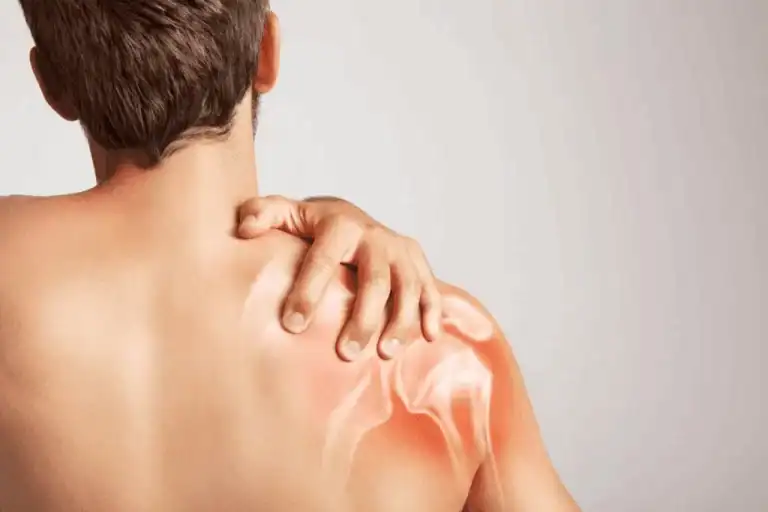
Shoulder pain is one of the most common musculoskeletal problems affecting people of all ages. Whether you’re a working professional spending long hours at a desk, an athlete, a homemaker, or a senior dealing with age-related joint issues, persistent shoulder pain can make even simple daily activities challenging. Tasks like lifting groceries, reaching for objects, combing your hair, driving, or sleeping comfortably can become painful.
While many shoulder conditions improve with rest, medications, physiotherapy, and lifestyle modifications, some continue to worsen despite conservative treatment. In such cases, arthroscopic shoulder surgery offers a minimally invasive solution that helps diagnose and treat various shoulder conditions with greater precision and faster recovery.
If you’re searching for an experienced Shoulder arthroscopy surgeon in Ahmedabad, Mediheal Hospital provides advanced orthopedic care using modern arthroscopic techniques designed to reduce pain, restore shoulder function, and help patients return to their normal lifestyle.
Understanding Shoulder Pain
The shoulder is one of the most flexible joints in the human body. Its wide range of motion allows you to lift, rotate, push, pull, and throw objects. However, this flexibility also makes the shoulder vulnerable to injuries and degeneration.
The shoulder consists of:
Bones
Cartilage
Muscles
Tendons
Ligaments
Bursa (fluid-filled sacs)
Damage to any of these structures can lead to chronic pain and limited movement.
Temporary discomfort after heavy activity is common, but pain lasting several weeks or months should never be ignored.
Why Does Shoulder Pain Become Chronic?
Persistent shoulder pain usually develops because the underlying problem continues to worsen without proper treatment.
Common causes include:
Rotator Cuff Tear
A rotator cuff tear occurs when one or more tendons surrounding the shoulder become damaged due to injury, repetitive overhead activity, or age-related degeneration.
Symptoms include:
Pain while lifting the arm
Weakness
Night pain
Difficulty reaching overhead
Clicking sensation
Small tears may respond to physiotherapy, while larger tears often require arthroscopic repair.
Shoulder Impingement Syndrome
Shoulder impingement syndrome develops when shoulder tendons repeatedly rub against nearby bone during movement.
Common symptoms include:
Pain while raising the arm
Difficulty reaching behind the back
Shoulder weakness
Pain during exercise
Reduced range of motion
Ignoring impingement may eventually lead to tendon tears.
Frozen Shoulder Treatment Begins with Early Diagnosis
Frozen shoulder, medically called adhesive capsulitis, causes progressive stiffness and pain.
Patients usually experience:
Severe restriction in shoulder movement
Pain even at rest
Difficulty dressing
Inability to sleep on the affected side
Although conservative frozen shoulder treatment works for many patients, severe stiffness that persists despite months of therapy may require arthroscopic release.
Shoulder Instability
Repeated shoulder dislocations can damage the ligaments and cartilage responsible for keeping the joint stable.
Symptoms include:
Feeling that the shoulder slips out
Frequent dislocations
Weakness
Pain during sports
Arthroscopic stabilization can effectively repair these damaged structures.
Labral Tears
The labrum is a ring of cartilage surrounding the shoulder socket.
It may tear because of:
Sports injuries
Falls
Heavy lifting
Repeated overhead movements
Patients often complain of:
Locking
Catching
Deep shoulder pain
Weakness
Signs You Should See an Orthopedic Shoulder Specialist
Many people delay treatment, assuming shoulder pain will improve on its own. However, certain warning signs indicate that professional evaluation is necessary.
Consult an orthopedic specialist if you experience:
Shoulder pain lasting more than six weeks
Pain disturbing your sleep
Difficulty lifting your arm
Weakness during daily activities
Recurrent shoulder dislocation
Persistent stiffness
Swelling around the shoulder
Reduced range of motion
Failure to improve after physiotherapy
Early diagnosis often prevents more serious damage.
What Is Arthroscopic Shoulder Surgery?
Arthroscopic shoulder surgery is a minimally invasive orthopedic procedure performed using a tiny camera called an arthroscope.
Instead of making one large incision, the surgeon creates two or three small keyhole incisions through which miniature instruments are inserted.
The camera projects highly magnified images onto a monitor, allowing the surgeon to diagnose and repair damaged tissues with remarkable precision.
This technique has become the preferred treatment for many shoulder conditions because it causes less tissue damage compared to traditional open surgery.
Conditions Treated with Shoulder Arthroscopy
A skilled Shoulder arthroscopy surgeon in Ahmedabad can treat numerous shoulder disorders using arthroscopy.
These include:
Rotator cuff repair
Repairing torn shoulder tendons using advanced arthroscopic suturing techniques.
Shoulder impingement
Removing inflamed tissue and reshaping bone causing tendon irritation.
Frozen shoulder release
Releasing tight joint capsule structures to improve movement.
Shoulder instability
Repairing torn ligaments and labrum after repeated dislocations.
Labral tear repair
Restoring damaged cartilage that stabilizes the shoulder joint.
Removal of loose bodies
Removing floating cartilage or bone fragments causing pain and locking.
Shoulder arthritis evaluation
Assessing joint damage and treating early arthritic changes where appropriate.
How Is Arthroscopic Shoulder Surgery Performed?
The procedure generally involves the following steps:
Preoperative Assessment
The orthopedic surgeon reviews:
Medical history
Physical examination
X-rays
MRI scans
Blood investigations
Anesthesia
The surgery is performed under general anesthesia, regional anesthesia, or a combination of both.
Arthroscopic Procedure
Small incisions are made.
The arthroscope is inserted.
The surgeon examines every structure inside the shoulder.
Specialized instruments are used to repair damaged tissues.
Closure
Tiny stitches close the incisions.
A dressing is applied.
Most patients return home on the same day or after a short hospital stay.
Benefits of Arthroscopic Shoulder Surgery
Modern arthroscopy offers several advantages over conventional open surgery.
These include:
Smaller Incisions
Tiny incisions result in minimal scarring.
Less Pain
Reduced tissue damage generally means less postoperative discomfort.
Faster Recovery
Patients often recover quicker compared to open procedures.
Lower Infection Risk
Smaller wounds reduce the chance of infection.
Better Cosmetic Results
Minimal scarring is especially appreciated by younger patients.
Greater Surgical Precision
High-definition cameras allow accurate repair of damaged structures.
Recovery After Arthroscopic Shoulder Surgery
Recovery varies depending on the condition treated.
Generally, recovery includes:
First Week
Pain medications
Ice application
Arm sling
Wound care
Two to Six Weeks
Gentle physiotherapy
Gradual increase in movement
Reduced swelling
Six to Twelve Weeks
Strengthening exercises
Improved flexibility
Return to light work
Three to Six Months
Most patients regain significant shoulder function and resume normal activities.
Athletes may require additional rehabilitation before returning to competitive sports.
Importance of Physiotherapy
Surgery alone cannot restore complete shoulder function.
A structured rehabilitation program is equally important.
Physiotherapy helps:
Improve flexibility
Restore strength
Reduce stiffness
Prevent complications
Improve long-term results
Following your therapist’s instructions is essential for successful recovery.
Can Shoulder Pain Be Prevented?
Not every shoulder condition is preventable, but healthy habits significantly reduce the risk.
Some preventive measures include:
Maintain good posture.
Warm up before exercise.
Strengthen shoulder muscles regularly.
Avoid repetitive overhead activities without breaks.
Lift heavy objects correctly.
Treat minor injuries promptly.
Maintain a healthy body weight.
Follow ergonomic workplace practices.
When Should You Consider Shoulder Arthroscopy Instead of Continuing Medication?
Painkillers only relieve symptoms temporarily.
You may require arthroscopic treatment if:
Pain returns repeatedly
MRI confirms tendon damage
Conservative treatment has failed after several months
Daily activities are significantly affected
Sleep is disturbed because of shoulder pain
Weakness continues to worsen
An experienced orthopedic surgeon will evaluate whether surgery is the best option based on your condition.
Why Choose Mediheal Hospital for Shoulder Pain Treatment?
At Mediheal Hospital, patients receive comprehensive orthopedic care focused on accurate diagnosis, advanced surgical techniques, and personalized rehabilitation.
Our orthopedic team is experienced in treating a wide range of shoulder conditions, including rotator cuff tears, shoulder impingement syndrome, recurrent dislocations, and complex sports injuries.
Why patients trust Mediheal Hospital:
Experienced orthopedic surgeons
Advanced arthroscopic technology
Comprehensive diagnostic facilities
Personalized treatment plans
Modern operation theatres
Dedicated physiotherapy and rehabilitation support
Patient-centered care with a focus on faster recovery
If you’re looking for a trusted Shoulder arthroscopy surgeon in Ahmedabad, Mediheal Hospital combines expertise with modern minimally invasive techniques to help patients regain pain-free shoulder movement and return to their everyday activities confidently.
Don’t Ignore Persistent Shoulder Pain
Many patients assume shoulder pain is simply a part of aging or overuse. However, untreated shoulder conditions can gradually worsen, leading to chronic pain, muscle weakness, stiffness, and permanent loss of function.
Seeking timely medical evaluation allows many shoulder problems to be treated before irreversible damage occurs. Whether your pain is caused by a rotator cuff tear, shoulder impingement syndrome, recurrent instability, or persistent stiffness requiring frozen shoulder treatment, early intervention significantly improves outcomes.
Arthroscopic shoulder surgery has transformed orthopedic care by offering a minimally invasive solution with smaller incisions, less pain, quicker recovery, and excellent long-term results. If your shoulder pain has persisted despite medications, rest, and physiotherapy, consult an experienced orthopedic specialist to explore the most suitable treatment options.
At Mediheal Hospital, our goal is to help every patient return to an active, pain-free life through advanced orthopedic expertise, compassionate care, and comprehensive rehabilitation.
Frequently Asked Questions (FAQs)
Is arthroscopic shoulder surgery painful?
The surgery is performed under anesthesia, so you will not feel pain during the procedure. Mild postoperative discomfort is normal and can usually be managed with medications and ice therapy.
Who is the ideal candidate for shoulder arthroscopy?
Patients with persistent shoulder pain caused by rotator cuff tears, shoulder impingement syndrome, frozen shoulder, recurrent dislocations, labral tears, or other conditions that have not improved with conservative treatment may be suitable candidates.
How long does recovery take after shoulder arthroscopy?
Recovery depends on the type of procedure performed. Most patients resume light daily activities within a few weeks, while complete recovery and return to sports or strenuous work may take three to six months.
Can a rotator cuff tear heal without surgery?
Small or partial tears may improve with rest, physiotherapy, and medications. However, complete or large tears often require surgical repair to restore strength and shoulder function.
Is shoulder arthroscopy safer than open surgery?
Arthroscopic surgery is generally considered safer for many shoulder conditions because it involves smaller incisions, less tissue damage, lower infection risk, and faster recovery. The appropriate approach depends on your specific diagnosis.
When should I consult a Shoulder arthroscopy surgeon in Ahmedabad?
You should consult a specialist if shoulder pain lasts for more than six weeks, affects your sleep, limits movement, causes weakness, or does not improve despite medications, physiotherapy, and rest.
Can frozen shoulder be treated without surgery?
Yes. Most cases respond well to medications, physiotherapy, and guided exercises. Arthroscopic release is usually recommended only when stiffness remains severe despite several months of non-surgical treatment.
Will I need physiotherapy after surgery?
Yes. Physiotherapy is a crucial part of recovery. It helps restore shoulder strength, flexibility, range of motion, and overall function while reducing the risk of future complications.
How can I reduce the risk of future shoulder injuries?
Maintaining good posture, performing shoulder-strengthening exercises, warming up before physical activity, avoiding repetitive strain, and seeking prompt treatment for injuries can help keep your shoulders healthy.