
TMJ Disorders: Why Jaw Clicking and Pain Shouldn't Be Ignored
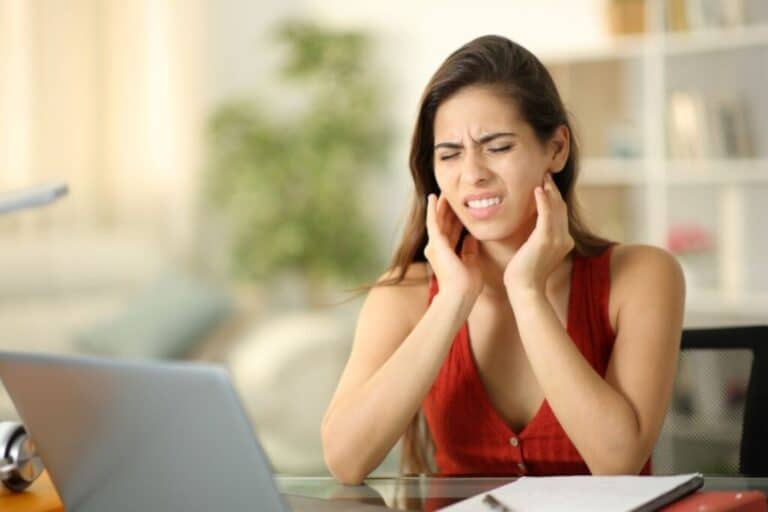
Have you ever opened your mouth and heard a clicking or popping sound from your jaw? Maybe it happens while eating, yawning, talking, or even brushing your teeth. If the sound is occasional and completely painless, it may not necessarily indicate a serious problem. However, when jaw clicking is accompanied by pain, stiffness, difficulty chewing, headaches, or jaw locking, it deserves proper attention. The temporomandibular joint, commonly called the TMJ, is one of the most frequently used joints in the body. It connects the lower jawbone to the skull and helps you perform everyday activities such as speaking, chewing, swallowing, yawning, and opening your mouth. Problems affecting this joint or the surrounding muscles are known as temporomandibular disorders, or TMDs. TMJ disorders can range from temporary muscle discomfort to persistent conditions that interfere with eating, speaking, sleeping, and daily activities. According to the National Institute of Dental and Craniofacial Research (NIDCR), TMDs include more than 30 conditions involving the jaw joints, chewing muscles, and related tissues. If you are experiencing persistent jaw pain or recurring clicking, consulting a qualified TMJ specialist in Ahmedabad can help determine the underlying cause and guide you toward appropriate treatment. At Mediheal Hospital, the focus should be on identifying the cause of your symptoms rather than simply masking the pain.
What Is the Temporomandibular Joint?
The temporomandibular joint is located on both sides of your face, just in front of your ears. It works somewhat like a hinge but also allows the jaw to slide forward, backward, and from side to side. This combination of movements makes the TMJ essential for chewing, speaking, yawning, and facial movement.
Because the joint is involved in so many activities throughout the day, repeated stress or strain can sometimes contribute to dysfunction. The joint contains bones, muscles, ligaments, and a small disc that helps the jaw move smoothly.
When one or more of these structures become irritated, inflamed, displaced, injured, or overloaded, symptoms of TMJ dysfunction may develop.
Is Jaw Clicking Always a Sign of TMJ Disorder?
Not necessarily. A clicking or popping sound without pain, swelling, restricted movement, or other symptoms can occur in healthy TMJs. NIDCR notes that painless joint sounds are common and generally do not require treatment.
The concern increases when clicking becomes painful or is accompanied by other changes in jaw function.
For example, you should pay closer attention if your jaw clicking occurs along with:
Jaw or facial pain
Difficulty opening or closing your mouth
Jaw stiffness
Pain while chewing
A sensation of the jaw catching or locking
Headaches around the temples
Ear-area discomfort
Neck or facial pain
Painful popping or grinding
Changes in how your upper and lower teeth meet
These symptoms may indicate an underlying temporomandibular disorder and should be evaluated rather than ignored.
Common Symptoms of TMJ Disorders
Jaw Pain and Tenderness
Jaw pain is one of the most noticeable symptoms of TMJ dysfunction. You may feel discomfort around the jaw joint, cheeks, temples, ears, or nearby muscles.
The pain may become more noticeable when chewing tough or hard foods, talking for long periods, yawning, or opening the mouth widely. Some people experience a dull ache, while others describe sharp or intermittent pain.
Persistent pain should not simply be accepted as part of everyday life. A proper evaluation can help identify whether the discomfort is actually related to the TMJ or another dental, muscular, neurological, or facial condition.
Clicking, Popping, or Grinding Sounds
A clicking or popping sound while moving your jaw is one of the symptoms people commonly associate with TMJ problems.
Again, painless clicking alone does not necessarily mean that treatment is required. However, painful jaw clicking or clicking accompanied by restricted movement can be a reason to seek professional evaluation.
Some people may also notice a grating or grinding sensation. This can feel different from a simple click and may be associated with changes within the joint.
Jaw Locking or Limited Movement
Have you ever felt as though your jaw temporarily gets stuck while opening or closing your mouth?
Jaw locking can be particularly uncomfortable and frightening. In some cases, the mouth may not open as widely as usual. In other situations, the jaw may become temporarily stuck in an open or closed position.
Repeated locking should not be ignored. A TMJ specialist in Ahmedabad can assess your jaw movement and determine whether the problem is related to the joint, muscles, disc movement, or another condition.
Headaches and Facial Pain
TMJ dysfunction does not always feel like a problem located directly in the jaw.
Some people experience headaches, facial discomfort, temple pain, or pain around the ear. Because the muscles involved in chewing are connected to surrounding structures, jaw-related problems can sometimes be experienced in nearby areas.
This is one reason why identifying the source of facial or head pain can sometimes be challenging.
Ear-Related Symptoms
The TMJ is located very close to the ear, so some people with TMD report ear-area discomfort, ringing sensations, dizziness, or a feeling of fullness.
However, these symptoms are not specific to TMJ disorders. Ear infections and other conditions can produce similar complaints. Therefore, persistent ear symptoms should not automatically be attributed to TMJ dysfunction without appropriate evaluation.
What Causes TMJ Dysfunction?
Teeth Grinding and Jaw Clenching
- Repeatedly clenching your teeth or grinding them, particularly during sleep, can place additional stress on the jaw muscles and joints.
- Some people may not even realise that they grind their teeth. They may instead notice symptoms such as morning jaw soreness, facial fatigue, headaches, or increased tooth sensitivity.
- If you suspect nighttime grinding or daytime clenching, discuss it with a qualified dental or TMJ professional.
Stress and Muscle Tension
- Stress does not mean that every case of TMJ dysfunction is psychological. However, stress can influence behaviours such as unconscious jaw clenching and muscle tightening.
- During periods of anxiety or concentration, some people may hold their jaw tightly without noticing. Over time, repeated muscle tension may contribute to discomfort.
- Relaxation techniques, awareness of jaw posture, and professional guidance may form part of a broader jaw pain treatment plan.
Jaw Injury
- A direct injury to the face or jaw can sometimes contribute to TMJ problems. Sports injuries, falls, accidents, or blows to the jaw may affect the joint or surrounding tissues.
- If jaw pain, clicking, or restricted movement begins after an injury, it is particularly important to have the area assessed.
Arthritis and Joint Changes
- Certain forms of arthritis can affect the temporomandibular joint. Degenerative or inflammatory changes may contribute to pain, stiffness, and altered jaw movement.
- The appropriate treatment depends on the type and severity of the underlying joint condition.
Repetitive Jaw Strain
- Frequent gum chewing, biting hard objects, eating very tough foods, or repeatedly opening the mouth extremely wide may place additional stress on the jaw.
- These activities do not necessarily cause TMD in everyone, but reducing excessive strain can be helpful when symptoms are present.
When Should You See a TMJ Specialist in Ahmedabad?
Persistent or Worsening Pain
If jaw pain continues, keeps returning, or gradually becomes worse, professional evaluation is advisable.
You should not have to change the way you eat, speak, or sleep because of ongoing jaw discomfort.
Painful Clicking or Popping
Occasional painless clicking may not require treatment. But if clicking becomes painful or is accompanied by stiffness, locking, or restricted movement, it is worth discussing with a specialist.
Difficulty Opening Your Mouth
A noticeable reduction in the ability to open your mouth can affect eating, dental care, and normal communication.
Limited movement can have several possible causes, making professional assessment important.
Repeated Jaw Locking
If your jaw repeatedly gets stuck or catches during movement, don’t repeatedly force it open or closed. Seek professional guidance to determine the cause.
Symptoms Affecting Daily Life
Even when the condition is not immediately dangerous, persistent TMJ symptoms can affect quality of life. Difficulty eating, speaking, yawning, or sleeping can become frustrating over time.
Early assessment may help you understand what is happening and prevent unnecessary worry.
How Is TMJ Disorder Diagnosed?
Medical and Dental History
Diagnosis usually begins with a detailed discussion about your symptoms.
A healthcare professional may ask when the pain began, where you feel it, whether it occurs during chewing, whether the jaw clicks or locks, and whether you experience headaches, facial pain, or other symptoms.
Information about previous injuries, dental treatment, grinding, clenching, and other relevant health concerns may also be important.
Physical Examination
During an examination, the clinician may evaluate your jaw movement, listen or feel for clicking and popping, assess tenderness around the jaw and chewing muscles, and check how widely you can open your mouth.
The neck, face, and surrounding structures may also be assessed because pain can sometimes spread beyond the jaw itself.
Imaging When Necessary
Depending on your symptoms and examination, imaging may be recommended. X-rays, CT scans, or MRI can provide different types of information about the bones, joint structures, or soft tissues.
NIDCR notes that there is no single universally accepted test that diagnoses every type of TMD. Because jaw and facial pain can have several possible causes, clinicians may need to rule out other conditions before confirming a TMD diagnosis.
Jaw Pain Treatment: What Are the Options?
Conservative Treatment
Many TMD problems can initially be managed with simple, non-invasive measures.
Depending on the individual situation, a healthcare professional may recommend temporarily choosing softer foods, avoiding excessive jaw movements, applying heat or cold, and reducing habits such as gum chewing or jaw clenching.
The goal is to reduce strain while allowing the jaw muscles and joint to recover.
Medications
Depending on the cause and severity of symptoms, a doctor or dentist may recommend medication to help manage pain or inflammation.
Medication should be used according to professional advice, particularly when symptoms are persistent or when other medicines or medical conditions are involved.
Physical Therapy
Physical therapy may be useful for selected patients with TMD. Treatment can focus on improving jaw movement, reducing muscle tension, and restoring function.
NIDCR identifies physical therapy, including manual therapy, as one of the treatment approaches that may help improve function and relieve pain in appropriate patients.
Oral Appliances
Some patients may benefit from an intraoral appliance or nightguard, particularly when teeth grinding or clenching is involved.
However, these devices are not appropriate for everyone. They should be recommended and monitored by a qualified professional rather than purchased and used without assessment.
Minimally Invasive Procedures
For selected patients who do not improve with conservative approaches, minimally invasive procedures may sometimes be considered.
Procedures such as arthrocentesis or arthroscopy are not first-line solutions for every person with jaw clicking or pain. The decision depends on the specific joint problem, severity, symptoms, and response to other treatment.
NIDCR recommends starting with simpler approaches when appropriate and being cautious with treatments that permanently alter the jaw joint, teeth, or bite.
Surgery in Severe Cases
Surgery is generally considered only for specific and more severe joint conditions when other appropriate treatments have not provided sufficient improvement.
A surgical recommendation should be based on a clear diagnosis and a discussion of expected benefits, risks, alternatives, and recovery.
The important point is that TMJ dysfunction does not automatically mean surgery. Many patients can be managed using conservative or non-invasive approaches.
What Can You Do at Home for Jaw Discomfort?
Give Your Jaw a Break
If your jaw is painful, temporarily reducing activities that require excessive chewing may help.
Choose softer foods when necessary and avoid chewing gum or very hard foods until you have received appropriate advice.
Pay Attention to Clenching
Try to notice whether you are tightening your jaw during work, driving, studying, or stressful situations.
Keeping the jaw relaxed when you are not eating can help reduce unnecessary muscle tension.
Use Heat or Cold Carefully
Depending on the cause of your discomfort, a healthcare professional may recommend heat or cold application to the affected area.
Avoid applying extreme temperatures directly to the skin, and follow professional instructions if your symptoms are significant.
Avoid Forcing a Locked Jaw
If your jaw becomes locked, avoid repeatedly forcing it open or using aggressive manipulation. Professional assessment is safer, particularly if locking is recurrent or painful.
Why Early Evaluation Matters
Ignoring jaw clicking may seem harmless, especially when the discomfort is mild. But recurring pain, restricted movement, or locking can interfere with everyday activities.
A person may gradually begin avoiding certain foods, chewing only on one side, limiting conversations, or changing the way they yawn and open their mouth. These small adjustments can become habits that affect comfort and function.
The purpose of consulting a TMJ specialist in Ahmedabad is not simply to treat a clicking sound. It is to understand why the symptoms are occurring and determine whether treatment is actually necessary.
It is also important to remember that not every clicking jaw requires treatment. A professional evaluation can prevent unnecessary procedures while ensuring that significant symptoms are not overlooked.
Why Choose Mediheal Hospital for Jaw and TMJ Concerns?
- At Mediheal Hospital, patients with jaw pain and suspected TMJ disorders can seek professional evaluation focused on understanding their symptoms and identifying an appropriate treatment pathway.
- A patient-centred approach is important because TMJ disorders can vary significantly from one person to another. One patient may mainly have muscle-related pain, while another may experience joint-related symptoms, restricted movement, or jaw locking.
- The right approach should therefore be based on the patient’s symptoms, examination findings, and underlying cause rather than a one-size-fits-all treatment.
- If you have persistent jaw pain, painful clicking, difficulty opening your mouth, or recurrent jaw locking, consider consulting a qualified TMJ specialist in Ahmedabad for an evaluation.
Frequently Asked Questions About TMJ Disorders
~ Is jaw clicking always a TMJ disorder?
No. Painless clicking or popping can occur in people without a significant TMJ disorder. However, clicking accompanied by pain, stiffness, locking, or limited jaw movement should be evaluated by a healthcare professional.
~ Can TMJ disorders go away on their own?
Some TMD symptoms are temporary and may improve without extensive treatment. NIDCR recommends beginning with simple, conservative measures when appropriate. Persistent or worsening symptoms should still be evaluated to determine the underlying cause.
~ What is the best treatment for TMJ dysfunction?
There is no single treatment that is best for every patient. Treatment depends on whether the problem involves the jaw muscles, joint, disc, injury, arthritis, clenching, or another cause. Conservative care is often considered first, while more invasive treatment may be reserved for selected cases.
~ Can stress cause jaw pain?
Stress can contribute to behaviours such as jaw clenching and muscle tension, which may worsen jaw discomfort in some people. However, persistent jaw pain can have multiple causes and should not automatically be attributed to stress.
~ When should I see a TMJ specialist in Ahmedabad?
Consider an evaluation if you have persistent jaw pain, painful clicking or popping, repeated jaw locking, difficulty opening your mouth, pain while chewing, or symptoms that are interfering with daily activities.
~ Can TMJ problems cause headaches?
TMJ disorders can be associated with headaches and pain around the temples or face. However, headaches have many possible causes, so persistent or severe headaches should be properly assessed rather than automatically attributed to TMJ dysfunction.
~ Is surgery always required for TMJ disorders?
No. Surgery is not automatically required for TMJ disorders. Many patients are initially managed with conservative measures such as self-care, physical therapy, medication when appropriate, or other non-invasive approaches. Surgery is generally reserved for selected cases based on the underlying joint problem.
~ Can jaw locking be treated?
Treatment depends on why the jaw is locking. A specialist may assess the joint, muscles, disc movement, and jaw function before recommending treatment. Repeated or painful locking should be professionally evaluated.
~ Should I ignore painless jaw clicking?
Painless clicking alone is often not a reason for treatment. However, if the clicking changes, becomes painful, or is accompanied by locking or restricted movement, seek professional evaluation.
Take Jaw Pain Seriously, Without Panicking
- A clicking jaw does not automatically mean that something is seriously wrong. At the same time, persistent pain, jaw locking, restricted movement, and painful clicking should not become something you simply learn to live with.
- TMJ disorders involve a wide range of conditions, which means treatment needs to be personalised. Starting with an accurate assessment can help identify the source of the problem and avoid unnecessary interventions.
- If jaw pain is affecting your ability to eat, speak, yawn, or enjoy everyday activities, don’t wait for the symptoms to become more disruptive. Consult a qualified TMJ specialist in Ahmedabad and discuss your symptoms.
- For expert evaluation and personalised guidance for jaw pain and temporomandibular joint disorder, connect with Mediheal Hospital and take the first step toward better jaw function and comfort.